Concrete4U | Concrete Admixtures, Tools, and Production Machines

Choose the Right Admixtures for High-Performance Concrete
1. Introduction
Just 24 hours ago, a major infrastructure project in Texas reported significant delays due to unexpected cold weather slowing concrete curing—highlighting the critical role of admixtures like concrete accelerators and retarders in real-world construction. As climate volatility increases, the demand for smart, responsive concrete chemicals is surging across the industry.
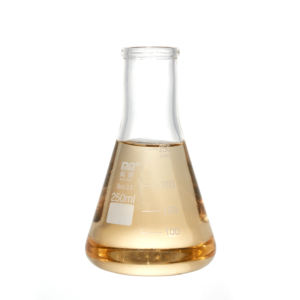
Admixtures aren’t just optional extras—they’re essential tools that transform ordinary concrete into high-performance material tailored for durability, workability, and resilience. Whether you’re pouring a foundation, crafting decorative stamped concrete, or building blast-resistant structures, the right admixture can make or break your project.
2. Understanding Admixture Types
Concrete admixture types fall into two broad categories: chemical and mineral. Chemical admixtures—like superplasticizers, accelerators, and air-entraining agents—are added in small doses (typically under 5% by weight of cement) to modify fresh or hardened concrete properties. Mineral admixtures, such as fly ash or silica fume, partially replace cement and enhance long-term strength and sustainability.
Among chemical options, water reducing admixtures are the most widely used. These include mid-range and high-range water reducers—commonly known as plasticizers and superplasticizers—which improve flow without adding extra water, thereby boosting strength and durability.
3. Superplasticizers: Naphthalene vs. Polycarboxylate
When it comes to superplasticizer in concrete, two dominant chemistries dominate the market: naphthalene-based and polycarboxylate ether (PCE)-based superplasticizers.
Naphthalene sulfonate formaldehyde (SNF) superplasticizers have been industry staples for decades. They offer strong water reduction (15–25%) and are cost-effective, making them popular in precast and ready-mix applications. However, they suffer from rapid slump loss and aren’t ideal for long-haul deliveries or high-strength mixes.
In contrast, polycarboxylate superplasticizers (often called PCE superplasticizers) deliver superior performance: up to 40% water reduction, excellent slump retention, and compatibility with modern cement blends. Though pricier, PCE-based products are now the go-to for self-consolidating concrete (SCC), ultra-high-performance concrete (UHPC), and projects requiring precise control over rheology.
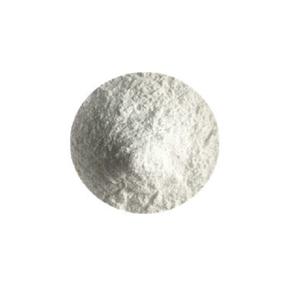
- Naphthalene-based: lower cost, faster slump loss, moderate water reduction
- Polycarboxylate-based: higher cost, extended workability, exceptional water reduction
For contractors seeking the best superplasticizer for concrete today, PCE formulations increasingly win out—especially when paired with advanced systems like Chryso admixture technologies.
4. Air Entraining and Waterproofing Additives
Air entraining concrete is crucial in freeze-thaw environments. Air entraining admixtures introduce microscopic air bubbles that act as pressure relief valves during ice expansion, preventing surface scaling and internal cracking. These air entraining agents are mandatory in northern U.S. and Canadian standards for exterior slabs and pavements.
On the waterproofing front, two main approaches exist: integral waterproofers and crystalline waterproofing admixtures. Integral waterproofers—often hydrophobic polymers—reduce capillary absorption throughout the matrix. Crystalline admixtures, meanwhile, react with moisture and unhydrated cement to form insoluble crystals that block pores permanently.
Both serve as effective concrete waterproofing additives, but crystalline systems offer self-healing capabilities for micro-cracks, making them ideal for basements, tunnels, and water-retaining structures. When evaluating cement waterproofing additive options, consider long-term exposure and repair accessibility.
5. Fiber Reinforcement and Specialty Additives
Fibers for concrete—ranging from polypropylene fibres for concrete to steel fibers for concrete—enhance toughness, reduce plastic shrinkage cracking, and improve impact resistance. Polypropylene (PP) fibers are economical and widely used in slabs and shotcrete, while steel fiber reinforced concrete delivers structural ductility for industrial floors and seismic zones.
Emerging options like coconut fiber reinforced concrete show promise in sustainable builds, though they’re not yet mainstream. For residential applications, fiber reinforced concrete mix designs often replace traditional wire mesh, simplifying placement and cutting labor costs.
Other specialty admixtures include concrete retarder formulations for hot-weather pours, fast curing concrete additives for rapid turnaround, and surface retarder concrete products used in exposed-aggregate finishes. Even foaming agents for foam concrete—like protein-based or synthetic CLC foaming agents—fall under the broad umbrella of concrete additives.
6. Choosing the Best Admixture for Your Project
Selecting the right admixture used in concrete depends on multiple factors: climate, structural requirements, finish type, and timeline. For example, stamped concrete colors and patterns require a balanced mix—often using a concrete water reducer to maintain low w/c ratio while ensuring enough workability for stamping, plus a compatible release agent to prevent sticking.
Similarly, white cement projects—like countertops or architectural panels—demand superplasticizer admixtures that won’t discolor the mix. And for homes using modern concrete siding or fiber cement siding, additives that enhance flexural strength and moisture resistance are non-negotiable.
Always consult technical data sheets and consider compatibility testing, especially when combining multiple admixtures (e.g., superplasticizer + accelerator + air entrainer). Overdosing or incompatible blends can cause segregation, delayed setting, or even catastrophic failure.
7. Conclusion
From super plasticizers that enable flowing skyscraper cores to air entraining admixtures that protect Arctic highways, concrete admixtures are the unsung heroes of modern construction. Understanding the nuances between admixture types—whether it’s a polycarboxylate water reducer versus a naphthalene-based one, or a crystalline waterproof admix versus an integral waterproofer—empowers builders to optimize performance, cost, and longevity. As concrete technology evolves, so too must our mastery of these essential concrete chemicals.
Our Website founded on October 17, 2012, is a high-tech enterprise committed to the research and development, production, processing, sales and technical services of ceramic relative materials such as Choose. Our products includes but not limited to Boron Carbide Ceramic Products, Boron Nitride Ceramic Products, Silicon Carbide Ceramic Products, Silicon Nitride Ceramic Products, Zirconium Dioxide Ceramic Products, etc. If you are interested, please feel free to contact us.