Concrete4U | Concrete Admixtures, Tools, and Production Machines

7 Must-Know Types of Concrete Admixtures and How They Transform Modern Construction
1. Introduction
Just 48 hours ago, a major breakthrough was announced by global construction chemical leader Chryso: a new generation of polycarboxylate ether (PCE)-based superplasticizer that reduces water content by up to 40% while enhancing early-strength development. This innovation highlights how rapidly concrete admixtures are evolving—and why understanding the differences between admixture types is more critical than ever.
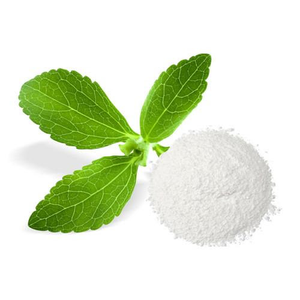
Whether you’re pouring a driveway, building high-rise foundations, or crafting decorative stamped concrete, the right concrete admixture can dramatically improve performance, durability, and aesthetics. In this deep dive, we’ll unpack seven essential categories of admixtures used in concrete today, compare their pros and cons, and reveal which ones deliver the best results for specific applications.
2. Superplasticizers: The Game-Changers in Workability
Superplasticizers—also called high-range water reducers—are among the most transformative concrete chemicals available. They drastically reduce water demand without sacrificing flow, enabling stronger, more durable concrete with lower permeability.
Two dominant types dominate the market: naphthalene-based superplasticizers and polycarboxylate ether (PCE) superplasticizers. Naphthalene sulfonate formulations (often labeled SNF) offer good slump retention at a lower cost but can cause faster slump loss and aren’t ideal for high-performance mixes. In contrast, PCE-based superplasticizers provide superior water reduction (up to 40%), excellent workability retention, and compatibility with modern cement blends—including those containing supplementary cementitious materials.
- Polycarboxylate superplasticizer is now the go-to choice for self-consolidating concrete (SCC) and ultra-high-performance concrete (UHPC).
- Naphthalene-based options remain useful for standard precast or ready-mix applications where cost is a priority.
3. Air-Entraining Admixtures: Boosting Freeze-Thaw Resistance
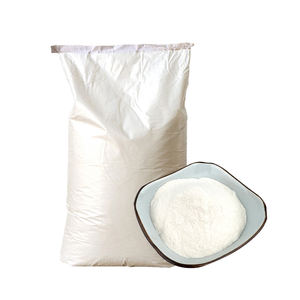
Air entraining concrete contains microscopic air bubbles intentionally introduced via air entraining admixtures. These bubbles act as pressure relief valves during freeze-thaw cycles, preventing cracking and spalling in cold climates.
Common air entraining agents include vinsol resin, synthetic detergents, and protein-based compounds. While essential for durability in northern regions, overuse can reduce compressive strength. The key is precise dosing—typically 4–7% air content by volume—to balance resilience and structural integrity.
4. Waterproofing Admixtures: From Surface Barriers to Crystalline Tech
Waterproof admixtures fall into two main camps: integral waterproofer types and crystalline waterproofing admixtures. Integral waterproofers (like hydrophobic powders or liquid polymers) repel water within the mix, while crystalline systems react with moisture and unhydrated cement to form insoluble crystals that block capillary pores.
Crystalline waterproofing admixture is especially effective for basements, tunnels, and water-retaining structures because it’s self-healing—if new cracks form, residual chemicals activate upon contact with water. Meanwhile, cement waterproofing additives based on stearates or silanes offer cost-effective solutions for above-grade applications.
5. Accelerators and Retarders: Controlling Cure Time Like a Pro
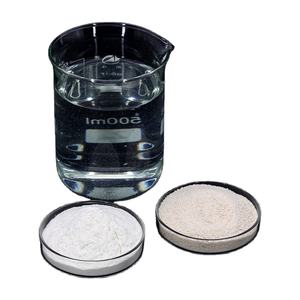
Concrete accelerator and concrete retarder admixtures give you command over setting time. Accelerating admixtures for concrete—often based on calcium chloride or non-chloride alternatives—speed up hydration, crucial for fast-track projects or cold-weather pours. They shorten curing time and allow earlier form removal.
On the flip side, concrete retarder admixtures (like lignosulfonates or sugar derivatives) delay setting, which is vital in hot weather or for long-haul deliveries. Surface retarder concrete products even enable exposed-aggregate finishes by slowing the top layer’s cure while the interior hardens.
6. Fiber Reinforcement: Beyond Steel Rebar
Fibers for concrete—ranging from polypropylene fibres for concrete to steel fibers for concrete and even coconut fiber reinforced concrete—add tensile strength, reduce plastic shrinkage cracking, and improve impact resistance.
Macro fibers (like steel or synthetic polymer strands) enhance post-crack performance in industrial slabs, while microfibers (such as pp fiber concrete) control early-age cracking. Carbon fiber reinforcement in concrete is emerging for high-tech applications due to its conductivity and strength-to-weight ratio. Note: fiber reinforced concrete doesn’t replace rebar but complements it—especially in thin sections like concrete siding or countertops.
7. Specialty Additives: Color, Release, and Foam
Beyond performance, modern concrete additives address aesthetics and process efficiency. Colored concrete relies on iron oxide pigments, while release agents (powder or spray) prevent stamps from sticking during decorative work. For lightweight applications, foaming agent for foam concrete—especially protein-based or synthetic CLC foaming agents—creates cellular concrete with excellent insulation properties.
And don’t overlook white cement: prized for architectural finishes and countertops, it pairs beautifully with tinted concrete and stamped patterns. When combined with the right superplasticizer and waterproof admix, it delivers both beauty and resilience.
8. Conclusion
Choosing the best admixture for concrete isn’t about finding a single ‘winner’—it’s about matching the right admixture types to your project’s climate, design, timeline, and performance needs. From polycarboxylate superplasticizers revolutionizing mix design to crystalline waterproofing admixtures offering lifelong protection, today’s concrete chemicals empower builders to push boundaries safely and sustainably. Always consult technical data sheets and consider real-world conditions before selecting your admixture used in concrete.
Our Website founded on October 17, 2012, is a high-tech enterprise committed to the research and development, production, processing, sales and technical services of ceramic relative materials such as 7. Our products includes but not limited to Boron Carbide Ceramic Products, Boron Nitride Ceramic Products, Silicon Carbide Ceramic Products, Silicon Nitride Ceramic Products, Zirconium Dioxide Ceramic Products, etc. If you are interested, please feel free to contact us.