Concrete4U | Concrete Admixtures, Tools, and Production Machines

What Are the Best Admixtures for Modern Concrete Projects?
1. Introduction
Just 24 hours ago, global construction giant LafargeHolcim announced a major shift toward low-carbon concrete formulations—highlighting increased reliance on high-performance admixtures to maintain strength while reducing cement content. This move underscores how essential modern concrete chemicals have become in sustainable building.
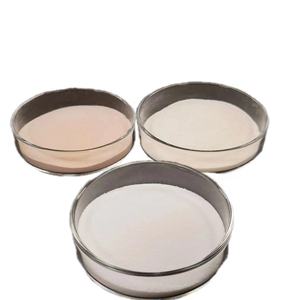
If you’re involved in construction, engineering, or DIY concrete work, understanding admixtures isn’t just helpful—it’s critical. These concrete additives can transform a basic mix into something stronger, faster-curing, more durable, or even visually stunning. But with so many options—from superplasticizers to fiber reinforcements—how do you choose the best admixture for concrete?
2. Understanding Admixture Types
Concrete admixture types fall into two broad categories: chemical and mineral. Chemical admixtures—like superplasticizers, accelerators, and air-entraining agents—are added in small doses to alter fresh or hardened concrete properties. Mineral admixtures, such as fly ash or silica fume, are used in larger quantities to improve long-term performance and sustainability.
Among chemical admixtures, the most widely used include water reducers, set modifiers (accelerators and retarders), air-entraining admixtures, and waterproofing additives. Each serves a distinct purpose, and often, multiple admixtures are combined in a single mix.
3. Superplasticizers: The Game-Changer in Workability
3.1 Naphthalene vs. Polycarboxylate Ether (PCE)
Superplasticizer admixtures—also called high-range water reducers—are essential for producing flowable, high-strength concrete without adding extra water. Two dominant chemistries exist: naphthalene-based superplasticizers (SNF) and polycarboxylate ether (PCE)-based superplasticizers.
Naphthalene sulfonate formaldehyde (SNF) superplasticizers have been industry staples for decades. They offer strong water reduction (15–20%) and are cost-effective. However, they suffer from rapid slump loss—meaning workability drops quickly after mixing.
In contrast, PCE superplasticizers deliver superior performance: up to 40% water reduction, excellent slump retention, and compatibility with modern supplementary cementitious materials. Though more expensive, PCE-based products like those from Chryso admixture lines are now preferred for high-performance applications like self-consolidating concrete (SCC).
3.2 Practical Implications
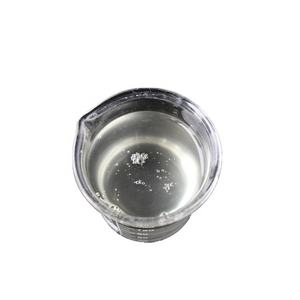
- SNF works well for precast elements where quick placement is possible.
- PCE excels in ready-mix, pumped concrete, and projects requiring extended workability.
For contractors asking, ‘What’s the best superplasticizer for concrete?’—the answer increasingly leans toward polycarboxylate ether, especially when durability and sustainability matter.
4. Set Control: Accelerators vs. Retarders
Concrete accelerator curing time can be slashed by 30–50% using accelerating admixtures for concrete—ideal for cold-weather pours or fast-track repairs. Calcium chloride is common but corrosive; non-chloride alternatives (e.g., nitrate-based) are safer for reinforced structures.
Conversely, concrete retarder admixtures delay setting—critical in hot climates or large pours. Surface retarder concrete products even allow decorative stamping by keeping the surface soft while the bulk hardens.
Choosing between an admixture retarder and accelerator depends entirely on ambient conditions and project timelines.
5. Air Entraining and Waterproofing Additives
Air entraining concrete improves freeze-thaw resistance by creating microscopic air bubbles. An air entraining agent—like vinsol resin or synthetic surfactants—is vital in northern climates. Without it, concrete exposed to deicing salts can spall within seasons.
Meanwhile, waterproofing admixture options range from integral waterproofer types (e.g., crystalline waterproofing admixture) to cement waterproofing additives that block capillary pores. Unlike surface sealers, these concrete waterproof admix solutions protect from within, offering permanent protection.
Crystalline systems react with moisture to form insoluble crystals, self-sealing cracks over time—a favorite for basements and water tanks.
6. Fiber Reinforcement: Beyond Steel
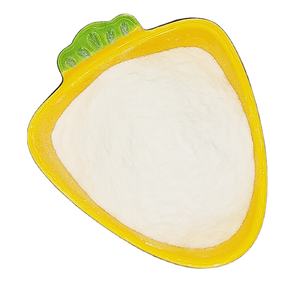
Fibers for concrete aren’t just reinforcement—they’re performance enhancers. While steel fiber reinforced concrete boosts impact resistance, polypropylene fibres for concrete control plastic shrinkage cracking.
Emerging options include coconut fiber reinforced concrete (sustainable but less structural) and carbon fiber reinforcement in concrete (high strength-to-weight ratio, though costly). Macro fibers and microfibers serve different roles: macro for post-crack toughness, micro for early-age crack control.
For residential uses like concrete siding, fiber cement siding (e.g., Hardie or CertainTeed concrete siding) blends cellulose or synthetic fibers with cement for wood-like aesthetics and weather resistance—without rot or termites.
7. Specialty Additives: Foaming Agents and Colorants
Foaming agent used in foam concrete enables lightweight cellular concrete (CLC), ideal for insulation blocks. Protein-based foaming agents offer stability, while synthetic types provide finer bubbles. CLC foaming agent price varies, but performance dictates choice—not just cost.
Colored concrete relies on pigments and release agents. Powder concrete colorants and water-based release agents let contractors create stamped concrete colors—from charcoal to terra cotta—without paint fading over time.
8. Conclusion
The best admixture for concrete depends on your specific need: flowability (superplasticizer), speed (accelerator), durability (air entraining or waterproofing), or crack control (fiber reinforcement). With innovations like PCE superplasticizers and crystalline waterproofing admixtures leading the way, today’s concrete is smarter, greener, and more versatile than ever.
Whether you’re pouring a driveway or designing a skyscraper, understanding these concrete chemicals ensures better performance, longevity, and value.
Our Website founded on October 17, 2012, is a high-tech enterprise committed to the research and development, production, processing, sales and technical services of ceramic relative materials such as What. Our products includes but not limited to Boron Carbide Ceramic Products, Boron Nitride Ceramic Products, Silicon Carbide Ceramic Products, Silicon Nitride Ceramic Products, Zirconium Dioxide Ceramic Products, etc. If you are interested, please feel free to contact us.