Concrete-mesa | Concrete Admixtures, Tools, and Production Machines

How Do You Choose and Use the Right Admixtures for Your Concrete Project?
1. Introduction
Just 24 hours ago, a major construction firm in Texas reported significant delays due to premature concrete setting caused by incorrect admixture use during a heatwave. This real-world hiccup highlights how critical it is to understand admixtures—the unsung heroes behind durable, workable, and long-lasting concrete.
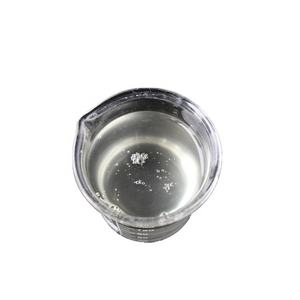
Whether you’re pouring a backyard patio or building a commercial high-rise, choosing the right admixture can make or break your project. In this guide, we’ll walk you through how to select, mix, and apply the best admixture for concrete based on your goals—be it faster curing, better flow, waterproofing, or freeze-thaw resistance.
2. Understand the Main Admixture Types
Concrete admixture types fall into two broad categories: chemical and mineral. Chemical admixtures include superplasticizers, accelerators, retarders, and air-entraining agents. Mineral admixtures—like fly ash or silica fume—enhance long-term strength and durability.
- Water reducing admixtures (including superplasticizer admixture) cut water content while maintaining workability.
- Concrete accelerator speeds up curing—ideal for cold weather or fast-track jobs.
- Concrete retarder slows setting time—perfect for hot climates or complex pours.
- Air entraining admixture introduces tiny air bubbles to boost freeze-thaw resistance.
- Integral waterproofer or crystalline waterproofing admixture blocks moisture penetration from within.
3. Step-by-Step: How to Choose the Right Admixture
Start by identifying your primary challenge: Is your mix too stiff? Setting too fast? Leaking water? Need extra strength?
If workability is low, reach for a superplasticizer in concrete—especially polycarboxylate ether (PCE)-based superplasticizers, which offer high-range water reduction without compromising strength.
For waterproofing, consider a concrete waterproofing additive like a crystalline waterproofing admixture or cement waterproofing additive. These react with moisture to form insoluble crystals that seal pores permanently.
In cold weather, accelerating admixtures for concrete help achieve early strength. For summer pours, a concrete retarder admixture or surface retarder concrete prevents flash setting.
Don’t forget fiber reinforcement. Adding fibers for concrete—like polypropylene fibres for concrete or steel fibers for concrete—improves crack resistance and impact strength. Fibermesh concrete is especially popular for slabs and driveways.
4. Mixing and Dosage Best Practices
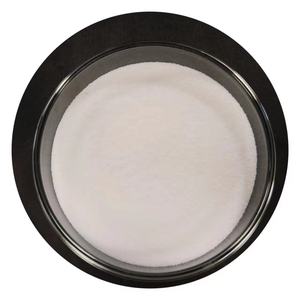
Always follow manufacturer guidelines. Overdosing a superplasticizer can cause segregation or excessive bleeding. Under-dosing a concrete accelerator may not shorten curing time enough.
Add admixtures during mixing—not after. Most chemical admixture for concrete should be added with the batch water. For superplasticizer admixture, introduce it after initial mixing for optimal dispersion.
Use clean water and consistent aggregates. Contaminants can interfere with admixture performance—especially with sensitive formulas like PCE superplasticizer or protein-based foaming agents.
Test small batches first. A trial mix reveals how your chosen admixture interacts with local materials—critical when using niche products like coconut fiber reinforced concrete or CLC foaming agent.
5. Common Problems and Quick Fixes
Problem: Concrete sets too fast in summer heat.
Solution: Use a concrete retarder admixture or switch to a mid-range water reducer with retarding properties.
Problem: Surface scaling after winter.
Solution: Ensure adequate air entraining. An air entraining agent creates microscopic air pockets that relieve internal pressure from freezing water.
Problem: Cracks appearing in thin slabs.
Solution: Add reinforcement fiber for concrete—polypropylene fibre or macro fibers help control plastic shrinkage.
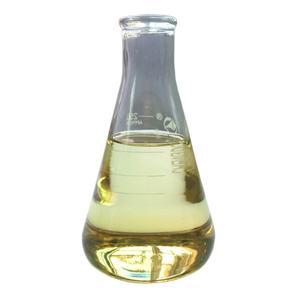
Problem: Water seeping through basement walls.
Solution: Replace surface coatings with an integral waterproof admix like a crystalline waterproofing admixture—it works from the inside out.
6. Specialized Applications
For decorative stamped concrete, pair color powder with a quality concrete release agent (powder or spray) to prevent sticking and enhance pattern definition. Use tinted concrete or charcoal concrete color for custom looks.
Foam concrete projects need a reliable foaming agent for foam concrete—protein-based or synthetic—depending on desired density and strength. Always pair with a cellular concrete machine for consistency.
White concrete applications (like countertops or pavers) require white cement plus a compatible superplasticizer to maintain brightness without sacrificing flow.
7. Where to Buy Reliable Admixtures
Brands like Chryso admixture, Sika, and BASF offer tested formulations. For DIYers, Home Depot carries basic concrete additives including plasticizer for concrete and fast curing concrete additives. Always check the bio data sheet for dosage and compatibility.
8. Conclusion
Choosing the right admixture isn’t guesswork—it’s science matched to your environment and goals. Whether you need a water reducer, air entraining concrete solution, or fiberfor concrete mix, understanding admixture types and their interactions ensures stronger, longer-lasting results. Test, measure, and never skip the spec sheet!
Our Website founded on October 17, 2012, is a high-tech enterprise committed to the research and development, production, processing, sales and technical services of ceramic relative materials such as How. Our products includes but not limited to Boron Carbide Ceramic Products, Boron Nitride Ceramic Products, Silicon Carbide Ceramic Products, Silicon Nitride Ceramic Products, Zirconium Dioxide Ceramic Products, etc. If you are interested, please feel free to contact us.