Concrete4U | Concrete Admixtures, Tools, and Production Machines

Admixtures Are the Secret Sauce That Makes Concrete Actually Awesome
1. Introduction
Let’s be honest: plain concrete is kind of meh. It cracks, it leaks, it sets too fast (or too slow), and unless you’re going for that post-apocalyptic warehouse vibe, it’s not exactly Instagrammable. But what if we told you there’s a whole pantry of secret ingredients that can turn this humble mix into a superhero? Enter admixtures—the unsung heroes of modern construction.
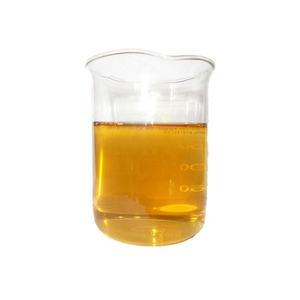
Whether you’re pouring a driveway, building a skyscraper, or crafting white concrete countertops that would make Martha Stewart jealous, admixtures are the game-changers. These concrete additives fine-tune everything from workability to curing time, strength to aesthetics. So buckle up—we’re about to demystify the wild world of admixture types and why your next concrete project probably needs them.
2. What Exactly Are Admixtures?
In simple terms, admixtures are materials added to concrete (or mortar) before or during mixing to modify its properties. Think of them like spices in a stew—they don’t replace the main ingredients but enhance flavor, texture, and shelf life. The term ‘ad mixtures’ (yes, sometimes written with a space) covers a wide range of chemical and mineral admixtures designed for specific purposes.
The best admixture for concrete depends entirely on your project goals. Need faster curing? Try a concrete accelerator. Worried about freeze-thaw damage? An air entraining admixture might save your slab. Want your stamped concrete to look like mahogany? You’ll need color powders and release agents. The possibilities are nearly endless.
3. Major Types of Concrete Admixtures
Concrete admixture types fall into two broad categories: chemical and mineral. Chemical admixtures include liquid or powder additives like superplasticizers, retarders, and accelerators. Mineral admixtures—like fly ash or silica fume—are finely ground materials that improve long-term performance.
- Water reducing admixtures (also called concrete water reducers) cut down on the water needed, boosting strength without sacrificing workability.
- Superplasticizer admixture (often polycarboxylate ether-based) is the MVP for high-flow, low-water mixes—perfect for complex forms or self-consolidating concrete.
- Concrete retarder and admixture retarder slow hydration, giving you more time to work in hot weather.
- Accelerating admixtures for concrete speed things up—ideal for cold climates or fast-track projects.
- Air entraining concrete contains tiny bubbles that act like shock absorbers against freezing water, thanks to air entraining agents.
- Waterproofing admixture options include integral waterproofers and crystalline waterproofing admixtures that block moisture at the molecular level.
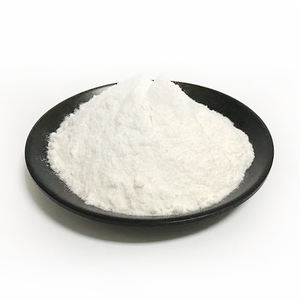
4. Superplasticizers: The Liquid Gold of Concrete
If concrete had a celebrity, it’d be the superplasticizer. Also known as high-range water reducers, super plasticizers (yes, both spellings are used!) let you slash water content by 30% while keeping the mix silky smooth. This means stronger, denser, and more durable concrete—without adding extra cement.
Modern superplasticizer in concrete often uses polycarboxylate ether (PCE) technology, which outperforms older naphthalene or melamine-based versions. Whether you call it a plasticizer for concrete, concrete plasticiser, or superplasticizer admixture for concrete, this stuff is essential for high-performance applications—from bridges to polished floors.
5. Waterproofing and Specialty Additives
Nobody wants a leaky basement or a crumbling patio. That’s where concrete waterproofing additives come in. A cement waterproofing additive or integral waterproofer reacts within the mix to repel water permanently—no surface coatings needed.
Crystalline waterproofing admixture is especially clever: it forms insoluble crystals inside capillaries, blocking water pathways for life. And if you’re working with white cement for countertops or decorative elements, pairing it with a waterproof admix ensures beauty meets resilience.
6. Fiber Reinforcement: Tougher Than Your Ex’s Heart
Fibers for concrete aren’t just filler—they’re reinforcement superheroes. From polypropylene fibres for concrete to steel fibers for concrete and even coconut fiber reinforced concrete (yes, really!), these additives reduce cracking and boost impact resistance.
Fiber reinforced concrete is now standard in driveways, industrial floors, and even siding. Speaking of which—concrete fiber siding (aka fibercement siding) mimics wood grain but lasts decades longer. Brands like Hardie and CertainTeed dominate the market, offering concrete siding that looks like wood without the rot or termites. And if you’re DIY-ing, Home Depot concrete siding options won’t disappoint.
7. Bonus Round: Color, Foam, and Release Agents
Want colored concrete that pops? Powder concrete pigments and stamped concrete colors (from charcoal to terra cotta) let you customize any pour. Pair them with a concrete release agent—spray, oil, or powder—to prevent sticking and add accent hues during stamping.
On the lighter side (literally), foaming agents create cellular concrete or CLC blocks. Protein-based or synthetic foaming agent for foam concrete introduces air bubbles, yielding lightweight, insulating material perfect for non-load-bearing walls.
And don’t forget white cement—it’s not just for grout! White Portland cement enables bright countertops, elegant pavers, and modern concrete siding with a clean, contemporary look.
8. Conclusion
Admixtures transform concrete from a basic building block into a precision-engineered material tailored to your exact needs. Whether you’re using a superplasticizer to achieve flow like lava, an air entraining admixture to survive Arctic winters, or fibers to prevent hairline cracks, these concrete chemicals are indispensable.
So next time you see a sleek architectural facade, a flawless stamped patio, or even a humble sidewalk that’s held up for 20 years—tip your hard hat to admixtures. They may be invisible, but their impact is anything but.
Our Website founded on October 17, 2012, is a high-tech enterprise committed to the research and development, production, processing, sales and technical services of ceramic relative materials such as Admixtures. Our products includes but not limited to Boron Carbide Ceramic Products, Boron Nitride Ceramic Products, Silicon Carbide Ceramic Products, Silicon Nitride Ceramic Products, Zirconium Dioxide Ceramic Products, etc. If you are interested, please feel free to contact us.