Concrete4U | Concrete Admixtures, Tools, and Production Machines

How to Choose and Use the Best Admixtures for Concrete: A Step-by-Step Practical Guide
1. Introduction
In the past 48 hours, major construction firms across North America have reported increased demand for high-performance concrete admixtures due to a surge in infrastructure projects prioritizing durability and sustainability. With supply chain adjustments and new ASTM standards rolling out, contractors are seeking reliable guidance on using modern concrete chemicals effectively. Whether you’re pouring a foundation, finishing stamped concrete, or installing fiber-reinforced siding, choosing the right admixture can make or break your project.
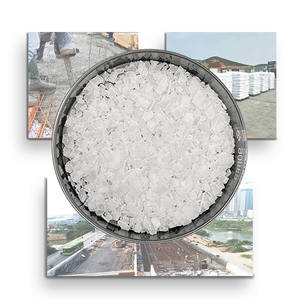
Concrete admixtures—also called ad mixtures or concrete additives—are chemical, mineral, or fibrous materials added to concrete before or during mixing to modify its properties. From improving workability with superplasticizer in concrete to enhancing freeze-thaw resistance with air entraining admixture, these additives solve real-world challenges on job sites every day.
2. Understand Common Admixture Types
Before selecting an admixture, identify your primary goal: faster curing, better flow, water resistance, or crack control. The main categories include:
- Water reducing admixtures (e.g., concrete water reducer, superplasticizer)
- Accelerating admixtures for concrete (e.g., concrete accelerator)
- Retarding admixtures (e.g., concrete retarder admixture, surface retarder concrete)
- Air entraining concrete additives (e.g., air entraining agent, air entraining cement)
- Waterproofing admixtures (e.g., integral waterproofer, crystalline waterproofing admixture)
- Fiber reinforcement (e.g., polypropylene fibres for concrete, steel fibers for concrete)
- Specialty additives (e.g., concrete foaming agent, white cement for decorative finishes)
Each type serves a distinct function. For example, super plasticizers like polycarboxylate ether (PCE) dramatically increase slump without adding water, while air entraining creates microscopic bubbles that protect against freeze-thaw damage.
3. Step-by-Step: Selecting the Right Admixture
Start by defining your concrete’s performance requirements. Is it exposed to cold weather? Will it be stamped or colored? Are you casting thin panels like fibercement siding?
For high-flow applications (e.g., self-consolidating concrete), choose a high-range water reducer such as a PCE-based superplasticizer admixture. For fast-track projects, use accelerating admixtures for concrete to reduce curing time—ideal when paired with fast curing concrete additives.
If waterproofing is critical (e.g., basements, roofs), consider a cement waterproofing additive or crystalline waterproofing admixture that reacts with moisture to seal pores permanently. Avoid generic ‘waterproof admix’ products without third-party certification.
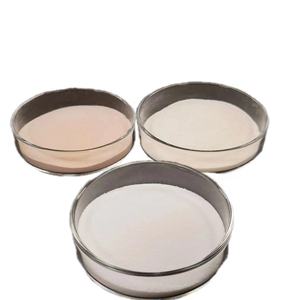
For decorative stamped concrete, combine a plasticizer for concrete with a quality concrete release agent to prevent sticking and enhance color uniformity. Use tinted concrete powders alongside proper release sprays for consistent stamped concrete colors.
4. Dosage and Mixing Best Practices
Always follow manufacturer guidelines for dosage—typically 0.1% to 2.0% by weight of cement. Overdosing superplasticizer can cause segregation; under-dosing may not achieve desired workability.
Add admixtures at the right stage: most chemical admixtures (e.g., superplasticizer, concrete retarder) are added with mix water. Fibers (e.g., macro fibers, pp fiber concrete) should be dispersed evenly during initial mixing to avoid clumping.
Never mix different admixture types without compatibility testing. For instance, some air entraining agents may interfere with certain superplasticizers, reducing effectiveness.
Use clean mixing water and calibrated equipment. Even small variations in water content can negate the benefits of a high-quality concrete water reducer.
5. Troubleshooting Common Problems
Problem: Concrete sets too fast in hot weather. Solution: Use a concrete retarder admixture or surface retarder concrete to extend workability window.
Problem: Surface scaling or cracking in cold climates. Solution: Incorporate an air entraining concrete admixture to improve freeze-thaw resistance.
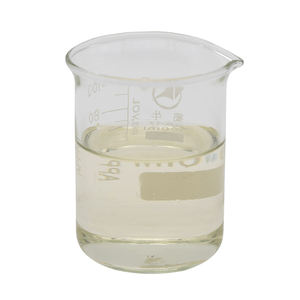
Problem: Poor finish on stamped concrete. Solution: Ensure adequate plasticizer admixture for workability and apply a water-based release agent evenly.
Problem: Efflorescence or water leakage in walls. Solution: Specify a waterproofing admixture for concrete like a crystalline system or integral waterproofer during batching.
Problem: Fiber balling in fiber reinforced concrete. Solution: Pre-wet fibers or use pre-dispersed fiberfor concrete mix systems.
6. Special Applications: Siding, Countertops, and Lightweight Concrete
For concrete siding (e.g., Hardie concrete siding, CertainTeed products), use fiber reinforced concrete with polypropylene or cellulose fibers to prevent warping. Coconut fiber reinforced concrete is gaining traction for sustainable builds.
White concrete countertops require white Portland cement combined with a superplasticizer to maintain fluidity without yellowing. Avoid naphthalene-based superplasticizers—they can discolor light mixes.
When making foam concrete or CLC blocks, select a protein-based foaming agent for stable, uniform cells. Synthetic foaming agents offer higher yield but may require stabilizers.
7. Conclusion
Choosing the best admixture for concrete isn’t about picking the most expensive product—it’s about matching the admixture type to your environmental conditions, structural demands, and aesthetic goals. Whether you need a concrete accelerator curing time reducer, a durable concrete waterproof admix, or reinforcement fiber for concrete, always verify compatibility, dosage, and compliance with local codes. With the right admixture used correctly, your concrete will perform better, last longer, and look great.
Our Website founded on October 17, 2012, is a high-tech enterprise committed to the research and development, production, processing, sales and technical services of ceramic relative materials such as How. Our products includes but not limited to Boron Carbide Ceramic Products, Boron Nitride Ceramic Products, Silicon Carbide Ceramic Products, Silicon Nitride Ceramic Products, Zirconium Dioxide Ceramic Products, etc. If you are interested, please feel free to contact us.