Concrete-mesa | Concrete Admixtures, Tools, and Production Machines

How to Choose and Use the Best Concrete Admixtures for Every Project
1. Introduction
Just 24 hours ago, a major infrastructure project in Texas halted due to unexpected concrete cracking caused by improper admixture selection—a reminder that even small errors in choosing concrete chemicals can lead to big failures. Whether you’re pouring a backyard patio or managing a commercial build, understanding how to use admixtures correctly is essential.
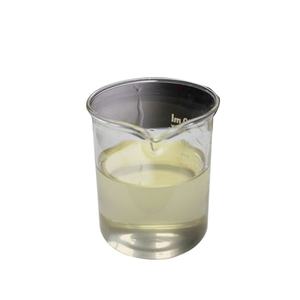
Concrete admixtures are specialty ingredients added to concrete mixes to enhance performance, durability, or appearance. With dozens of options—from superplasticizer to air entraining agents—it’s easy to feel overwhelmed. This guide cuts through the noise with clear, actionable steps to pick and apply the best admixture for concrete in any situation.
2. Understand the Main Types of Concrete Admixtures
Before buying anything, know what each admixture type does. Here’s a quick breakdown:
- Water reducing admixtures (like superplasticizer) improve flow without adding water.
- Concrete accelerator speeds up curing—ideal for cold weather.
- Concrete retarder delays setting time, useful in hot climates or large pours.
- Air entraining admixture introduces tiny air bubbles to boost freeze-thaw resistance.
- Waterproofing admixture (including crystalline waterproofing admixture and integral waterproofer) blocks moisture penetration.
- Fiber reinforcement (polypropylene fibres, steel fibers, or coconut fiber) reduces cracking and boosts tensile strength.
3. Step-by-Step: How to Select the Right Admixture
3.1 Identify Your Concrete Challenge
Ask yourself: What problem are you solving? Is your mix too stiff? Curing too slowly? Prone to water damage? Match your issue to an admixture category. For example, if your concrete lacks workability, a plasticizer for concrete or superplasticizer in concrete is likely your answer.
3.2 Check Compatibility and Dosage
Not all admixtures play nice together. Never combine accelerating admixtures for concrete with a concrete retarder—they cancel each other out. Always follow manufacturer guidelines for dosage. Overdosing a superplasticizer admixture can cause segregation or excessive bleeding.
3.3 Consider Environmental Conditions
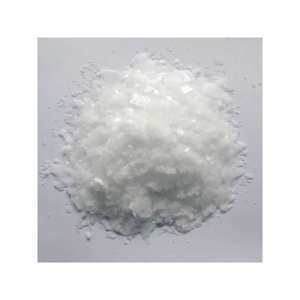
Cold weather? Use a concrete accelerator to shorten curing time. Hot weather? A surface retarder concrete or admixture retarder helps control setting. In freeze-prone areas, air entraining concrete is non-negotiable for long-term durability.
4. Common Problems and Proven Solutions
4.1 Problem: Concrete Is Too Dry or Hard to Pour
Solution: Add a high-range water reducer like polycarboxylate ether superplasticizer. These super plasticizers dramatically increase slump without extra water, improving placement and finishability. Look for PCE-based superplasticizer for modern, high-performance mixes.
4.2 Problem: Cracks Appearing During Curing
Solution: Incorporate reinforcement fiber for concrete—such as polypropylene fibre or macro fibers—into your mix. Fibers distribute stress and minimize plastic shrinkage cracks. For structural applications, consider steel fiber reinforced concrete.
4.3 Problem: Water Seeping Through Slabs or Walls
Solution: Use a concrete waterproofing additive like a crystalline waterproofing admixture or cement waterproofing additive. Unlike surface sealers, these integral systems react within the concrete matrix to block capillaries permanently.
4.4 Problem: Concrete Sets Too Fast (or Too Slow)
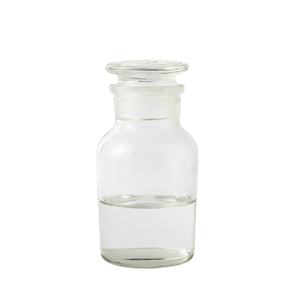
Solution: Adjust with a chemical admixture for concrete. For fast-setting needs, try fast curing concrete additives. If you need more working time, a concrete retarder admixture gives you control—especially critical for stamped concrete projects where timing affects pattern clarity.
5. Practical Mixing Tips
Always add admixtures to the mix water before introducing cement. This ensures even dispersion. For powder-based products like colored concrete powder or release agent powders, pre-dissolve in water first. Never add dry admixture directly to dry cement—it leads to clumping and inconsistent results.
When using multiple admixtures (e.g., superplasticizer + air entraining agent), add them separately and allow 30–60 seconds of mixing between additions. This prevents chemical interference and ensures full effectiveness.
6. Top Product Recommendations
For general-purpose use, Chryso admixture lines offer reliable performance across categories. Home Depot carries trusted brands for DIYers, including superplasticizer for sale and concrete siding options like Hardie concrete siding or CertainTeed concrete siding.
For waterproofing, look for a true waterproof admix—not just a surface coating. Crystalline systems outperform film-forming alternatives over time. And for coloring stamped concrete, always pair tinted concrete with a quality concrete stamp release agent (powder or spray) to prevent sticking and enhance color depth.
7. Conclusion
Choosing the right admixture used in concrete isn’t guesswork—it’s science paired with practical know-how. By matching your project’s needs to the correct concrete admixture types, you’ll avoid costly mistakes and achieve stronger, longer-lasting results. Whether you need a water reducer, air entraining agent, or fiberfor concrete mix, the key is precision, compatibility, and proper dosage. Now you’ve got the roadmap—go pour with confidence.
Our Website founded on October 17, 2012, is a high-tech enterprise committed to the research and development, production, processing, sales and technical services of ceramic relative materials such as How. Our products includes but not limited to Boron Carbide Ceramic Products, Boron Nitride Ceramic Products, Silicon Carbide Ceramic Products, Silicon Nitride Ceramic Products, Zirconium Dioxide Ceramic Products, etc. If you are interested, please feel free to contact us.