Concrete4U | Concrete Admixtures, Tools, and Production Machines

Unlock the Future of Construction: How Advanced Admixtures Are Revolutionizing Fiber-Reinforced Concrete Siding
1. Introduction
In a major industry shift announced just yesterday, James Hardie Industries revealed a new production line dedicated exclusively to next-generation fibercement siding enhanced with advanced concrete admixtures. This move underscores a growing trend: the integration of high-performance chemical admixtures into fiber-reinforced concrete products to meet rising demand for sustainable, low-maintenance, and visually appealing exterior cladding. As homeowners increasingly seek alternatives to traditional wood or vinyl, concrete siding—particularly when fortified with modern admixtures—offers unmatched resilience and design flexibility.
2. The Rise of Fiber-Reinforced Concrete Siding
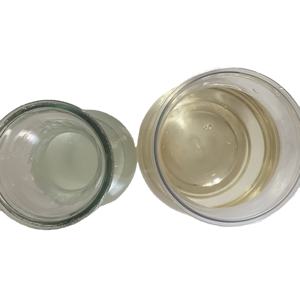
Fiber-reinforced concrete siding, often marketed as fibercement siding, combines Portland cement, sand, water, and cellulose or synthetic fibers to create panels that mimic wood grain while resisting rot, fire, and insects. However, achieving the ideal balance of fluidity during manufacturing, rapid curing, and long-term durability requires precise formulation—this is where concrete admixtures become indispensable.
3. Key Admixtures Transforming Concrete Siding Performance
3.1 Superplasticizers for Enhanced Workability and Strength
Superplasticizer admixtures—particularly polycarboxylate ether (PCE)-based superplasticizers—are critical in producing high-quality concrete fiber siding. These water reducing admixtures drastically lower the water-cement ratio without sacrificing flow, enabling manufacturers to cast thin, intricate profiles with superior surface finish. The result is a denser, stronger panel with reduced permeability, essential for exterior applications exposed to rain and humidity. Superplasticizer in concrete also allows for higher fiber loading, improving crack resistance without compromising mix homogeneity.
3.2 Air-Entraining Admixtures for Freeze-Thaw Durability
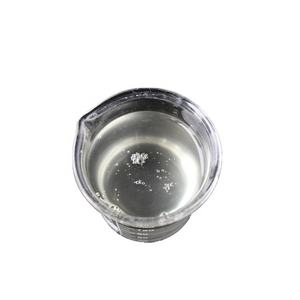
In colder climates, air entraining concrete is non-negotiable. Air entraining admixtures introduce microscopic air bubbles that act as pressure relief valves during freeze-thaw cycles, preventing surface spalling and structural degradation. For concrete siding installed on homes in regions like the Midwest or Northeast U.S., this admixture type significantly extends service life. The inclusion of an air entraining agent ensures that even thin panels maintain resilience against harsh weather.
3.3 Waterproofing Admixtures for Long-Term Protection
Moisture infiltration remains a top concern for any exterior cladding. Crystalline waterproofing admixture and integral waterproofer technologies react with cementitious materials to form insoluble crystals that block capillary pores. Unlike surface sealers that wear off, these concrete waterproofing additives provide permanent, internal protection. This admixture waterproofing capability is especially valuable in coastal areas or regions with high rainfall, where traditional siding often fails prematurely.
3.4 Accelerators and Retarders for Controlled Curing
Precast concrete siding manufacturers rely on concrete accelerator curing time optimization to maintain high production throughput. Fast curing concrete additives reduce demolding time without causing thermal cracking. Conversely, concrete retarder admixtures—such as surface retarder concrete agents—are used when intricate textures or wood-like finishes require extended setting windows. This balance allows producers like CertainTeed and Hardie to offer concrete siding that looks like wood while maintaining industrial efficiency.
4. Synergy with Fibers: Beyond Basic Reinforcement
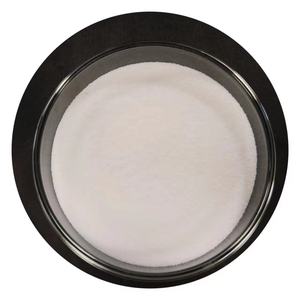
While fibers like polypropylene fibres for concrete or steel fibers for concrete provide tensile strength and crack control, their effectiveness is amplified by compatible admixtures. For instance, a well-dispersed superplasticizer admixture prevents fiber balling, ensuring uniform distribution. Similarly, concrete additives fiber systems work best when paired with mid-range water reducers that maintain viscosity without segregating the mix. Emerging innovations even explore coconut fiber reinforced concrete, where tailored plasticizer for concrete formulations improve natural fiber bonding.
5. Choosing the Best Admixtures for Concrete Siding
Selecting the best admixture for concrete siding involves evaluating climate exposure, aesthetic goals, and production constraints. Leading suppliers like Chryso offer admixture systems specifically engineered for fibercement applications. Key considerations include:
- Compatibility with cellulose or synthetic reinforcement fiber for concrete mix
- Low foaming tendency to avoid surface defects
- Non-corrosive properties to protect embedded fibers
- Regulatory compliance for residential use
Moreover, modern concrete chemicals are increasingly eco-certified, aligning with green building standards such as LEED.
6. Conclusion
The evolution of concrete siding—from utilitarian panels to premium, wood-look cladding—hinges on the intelligent use of concrete admixture types. Whether it’s a superplasticizer enabling razor-thin profiles, an air entraining concrete formula ensuring winter durability, or a crystalline waterproofing admixture providing lifelong moisture resistance, these chemical admixtures for concrete are the unsung heroes of modern façade engineering. As demand for durable, beautiful, and sustainable home exteriors grows, the role of advanced admixtures in fiber-reinforced concrete will only become more pivotal.
Our Website founded on October 17, 2012, is a high-tech enterprise committed to the research and development, production, processing, sales and technical services of ceramic relative materials such as Unlock. Our products includes but not limited to Boron Carbide Ceramic Products, Boron Nitride Ceramic Products, Silicon Carbide Ceramic Products, Silicon Nitride Ceramic Products, Zirconium Dioxide Ceramic Products, etc. If you are interested, please feel free to contact us.