Concrete4U | Concrete Admixtures, Tools, and Production Machines

The Soap Based Concrete Formwork Oil Mistake: 5 Critical Errors That Ruin Concrete Finishes
The Wrong Way to Use Soap Based Formwork Oil Will Cost You Time and Money
I’ve seen it on hundreds of sites: teams switch to a soap based concrete formwork oil expecting miracles, only to blame the product for problems they created. For over two decades, I’ve watched this simple, brilliant product get misunderstood. It’s not magic. It’s chemistry and technique. Fail to respect either, and your beautiful architectural concrete will be marred by stains, pitting, or a stubborn bond that refuses to release. This isn’t a gentle suggestion. It’s a warning from the field. Here are the five most dangerous mistakes professionals make with soap-based release agents and how to fix them for good.
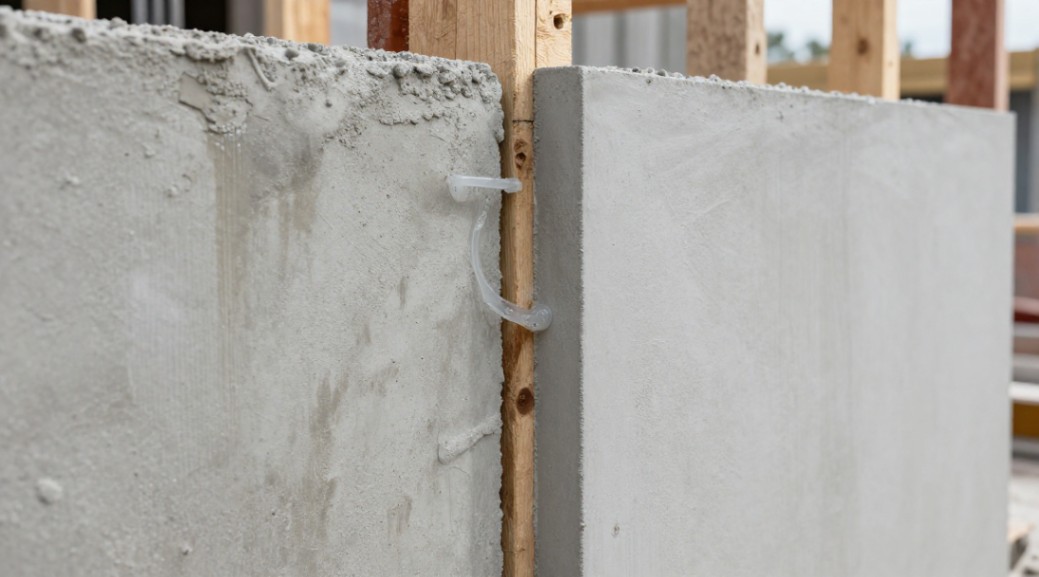
1. Treating It Like Petroleum Oil: The Application Disaster
The biggest, most costly error is applying soap based concrete formwork oil the same way you’d slather on diesel or mineral oil. Petroleum products rely on a thick, oily film. Soap-based agents work on a completely different principle.
What You’re Doing Wrong:
- Over-application. Drenching the form. This creates a thick, wet layer that won’t dry properly.
- Using the wrong tools. A dirty rag or an oil-saturated sprayer from last week’s petro-job.
- Pouring it on. This guarantees runs, puddles, and an uneven film.
The Right Way: The “Sheer Film” Method
A soap based concrete formwork oil creates a microscopic, dry soap film that acts as a non-stick barrier. You need a thin, even coat.
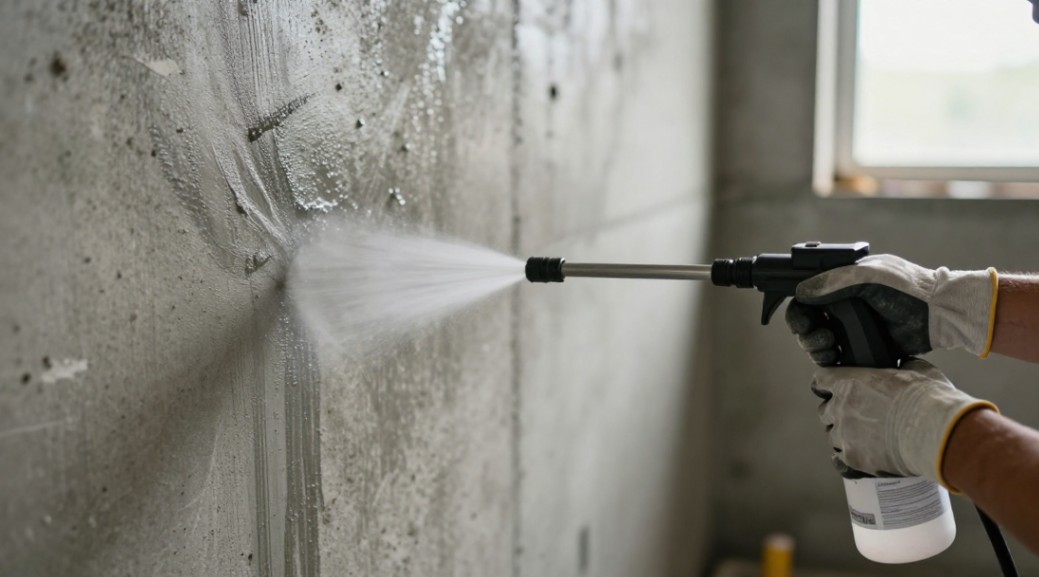
- Clean, dedicated equipment. Use a new, low-pressure garden sprayer or an airless sprayer with a fine tip. Never mix with petroleum residues.
- Mist, don’t soak. Hold the sprayer 12-18 inches away. Apply a light, uniform mist.
- Let it dry. This is critical. The water carrier must evaporate, leaving the dry soap film. Wait 5-15 minutes until the surface looks dry to the touch before placing concrete.
2. Ignoring Formwork Preparation: Your Surface is Everything
No release agent, not even the best soap based concrete formwork oil, can compensate for a dirty form. Adhesion failures often start here.
The Fatal Assumption:
“It looks clean enough.” On steel, that’s rust and mill scale. On wood or plywood, it’s old concrete paste, dust, and moisture. On any surface, it’s grease.
The Non-Negotiable Prep Checklist:
- Mechanically clean. For steel, abrasive blasting or grinding to bare metal is ideal. For wood, scrape and sand.
- Remove all contaminants. Use a degreaser. Water alone won’t cut it.
- Ensure it’s bone-dry. Water on the form dilutes the soap emulsion, preventing proper film formation.
- Cheque for form sealant compatibility. Some sealants react poorly. Test a small area first.
3. Storing and Handling It Like a Hazard: Compromising the Product
Yes, it’s biodegradable and low-VOC. No, that doesn’t mean you can leave the drum open in the sun all winter.
Common Jobsite Blunders:
- Freezing. If the emulsion freezes and thaws, it can break-separating oil and water. It may never properly mix again.
- Direct sun and heat. Prolonged high heat can also cause separation.
- Contamination. Dipping dirty tools or allowing water, dirt, or other chemicals into the container.
Simple Protection Protocol:
- Store between 40°F and 90°F (5°C – 32°C). A shaded job trailer is perfect.
- Keep containers sealed. Prevent evaporation and contamination.
- Agitate before use. Gently roll or stir the container to ensure a uniform emulsion.
4. Misdiagnosing Staining and Residue: Blaming the Solution
A light, powdery film on the concrete after stripping is normal and harmless-it brushes off. Dark stains or sticky residues are a sign of error.
Problem: Dark Stains or “Tiger Striping”
Cause: Over-application. The thick, wet film interacts with the cement paste, causing a local variation in the water-cement ratio and discoloration.
Fix: Go back to Mist, Don’t Soak. Use a calibrated sprayer. A high-quality, concentrated soap oil like Formula 700 requires less product per square foot, making over-application harder and more cost-effective.
Problem: Sticky, Gummy Residue on Forms
Cause: Applying concrete to a wet, undried film OR using a product that has degraded due to poor storage.
Fix: Always allow the misted film to dry completely. If the product itself has separated and won’t re-emulsify, stop using it.
5. Overlooking the Full System: It’s Not Just a Release Agent
Soap based concrete formwork oil impacts the entire concrete process. Ignoring this causes systemic failures.
Curing Interference? Almost Never.
A proper, thin soap film does not hinder hydration or strength gain. The soap molecules reside at the very surface. Independent lab studies consistently show no measurable impact on 28-day compressive strength when applied correctly.
Formwork Material Compatibility: The Silent Advantage
This is where soap oils shine. Petroleum oils can degrade wood and plywood, swelling fibers and shortening form life. Soap-based agents are neutral.
- Steel Forms: Excellent release, prevents rust between pours if film is left intact.
- Wood/Plywood: Preserves form life. Doesn’t cause the drying and checking petro-oils do.
- Plastic/Composite: Safe and effective, without the risk of chemical attack.
The Professional’s Path Forward
The evidence is overwhelming. A well-formulated soap based concrete formwork oil provides a cleaner, safer, and more consistent release than old-school petroleum products. It protects your forms, your workers, and the environment. But its performance is conditional on your technique.
My advice is simple: Stop experimenting. Choose a reputable, concentrated soap-based formula from a trusted supplier. Dedicate clean equipment to it. Train your crew on the “sheer film” method. Do a test pour on a mock-up panel. See the flawless finish and effortless strip for yourself. The switch isn’t just about avoiding the mistakes I’ve outlined; it’s about achieving a higher, more reliable standard for every concrete surface you create. Your next project deserves that certainty.
Supplier
We are the global leader in lightweight concrete and advanced engineered foam solutions. Known globally for its commitment to research, innovation, and applied expertise, we have been providing engineered foam solutions since the early 2012’s.
We can supply high-quality concrete admixture and foam concrete related products all over the world.
The company has a professional technical department and quality supervision department, a well-equipped laboratory, and equipped with advanced testing equipment and after-sales customer service center.
If you are interested, please feel free and contact us.