Concrete-mesa | Concrete Admixtures, Tools, and Production Machines

7 Cutting-Edge Uses of Admixtures in Modern Concrete Applications You Didn’t Know About
1. Introduction
Just 48 hours ago, a groundbreaking project in Dubai unveiled the world’s first fully 3D-printed residential building using a custom concrete mix enhanced with next-generation polycarboxylate ether (PCE) superplasticizer and microfiber reinforcement. This milestone underscores how far concrete technology has come—thanks largely to specialized admixtures. No longer just about workability or setting time, modern concrete admixtures now enable feats once deemed impossible: underwater pours that cure flawlessly, façades that mimic wood grain, and walls that repel water at the molecular level.
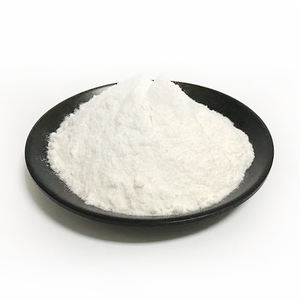
Admixtures—those chemical or mineral additives blended into concrete to modify its properties—are quietly transforming everything from skyscrapers to sidewalks. In this article, we dive into seven niche, high-impact applications where admixtures aren’t just helpful—they’re essential.
2. Superplasticizers Powering 3D-Printed Concrete
2.1. The Role of PCE-Based Superplasticizers
3D concrete printing demands a delicate balance: the mix must flow smoothly through nozzles yet hold its shape instantly after deposition. Enter superplasticizer in concrete—specifically, polycarboxylate ether (PCE) superplasticizers. These high-range water reducers drastically cut water content while maintaining fluidity, enabling precise layering without slumping. Unlike older naphthalene-based superplasticizers, PCE variants offer superior slump retention and compatibility with fibers.
In projects like Dubai’s printed villa, engineers used a superplasticizer admixture combined with polypropylene fibres for concrete to achieve both extrudability and early-strength build-up. This synergy allows rapid, formwork-free construction—cutting labor costs and waste.
2.2. Why It Matters
Without advanced water reducing admixtures, 3D printing would struggle with structural integrity. The best superplasticizer for concrete in this context isn’t just about flow—it’s about timing, cohesion, and compatibility with other concrete chemicals like accelerators or retarders.
3. Crystalline Waterproofing Admixtures in Underground Infrastructure
3.1. Beyond Surface Coatings
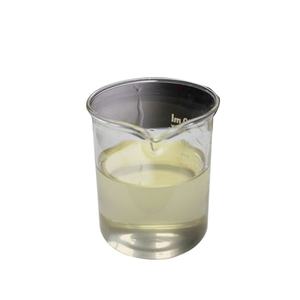
Traditional waterproofing relies on membranes or surface-applied sealers—but these degrade over time. Enter crystalline waterproofing admixture: an integral waterproofer that reacts with moisture and unhydrated cement particles to grow insoluble crystals within the concrete matrix. This self-sealing system blocks water ingress permanently—even if cracks form later.
Used in subway tunnels, basements, and marine structures, this waterproofing admixture for concrete eliminates the need for external barriers. Brands like Chryso admixture offer proprietary blends that meet ASTM standards for hydrostatic pressure resistance.
3.2. Performance Advantages
Unlike cement waterproofing additive sprays, crystalline systems become part of the concrete itself. They’re ideal for projects requiring long-term durability with minimal maintenance—making them a top choice for critical infrastructure.
4. Air-Entraining Admixtures for Freeze-Thaw Resilience in Arctic Pavements
4.1. How Air Entraining Works
In regions like Alaska or northern Canada, concrete faces brutal freeze-thaw cycles. Water expands when frozen, causing internal pressure that spalls surfaces. Air entraining concrete solves this by introducing millions of microscopic air bubbles via an air entraining agent. These voids act as pressure relief valves, absorbing expansion stress.
Modern air entraining admixture formulations are highly refined, creating uniform bubble spacing without compromising strength—a major leap from early versions that weakened mixes.
4.2. Real-World Impact
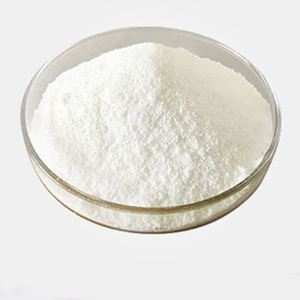
Highway departments now specify air entraining cement for all exposed pavements. When paired with a concrete accelerator curing time reducer, crews can pour even in sub-zero conditions and achieve fast curing concrete additives performance—keeping projects on schedule year-round.
5. Fiber-Reinforced Concrete Siding That Looks Like Wood
5.1. Aesthetic Meets Structural
Homeowners increasingly choose concrete fiber siding for its durability and low maintenance—but they want it to look like cedar or redwood. Thanks to advanced pigment systems and texture-forming release agents, modern fibercement siding achieves stunning realism. Behind the scenes, polypropylene fibre and steel fibers for concrete provide crack resistance and impact strength.
Manufacturers like Hardie and CertainTeed use concrete additives fiber blends to create lightweight, fire-resistant panels that mimic wood grain down to the knot. These products—often called concrete siding that looks like wood—cost more upfront but last decades longer than traditional wood siding.
5.2. Mix Design Secrets
The concrete fiber reinforcement mix includes not just fibers but also a plasticizer for concrete to ensure smooth extrusion during manufacturing. Without a proper concrete plasticiser, the high-fiber content would make the mix too stiff.
6. Foaming Agents for Ultra-Lightweight CLC Blocks
6.1. Engineering Air into Concrete
Cellular Lightweight Concrete (CLC) is revolutionizing affordable housing in India and Southeast Asia. Using a protein-based foaming agent or synthetic foaming agent for concrete, builders inject stable foam into cement slurry, creating blocks up to 80% lighter than standard concrete. These CLC blocks offer excellent thermal insulation and reduce structural loads.
The key is the foaming agent used in foam concrete: it must produce uniform, stable bubbles that don’t collapse during curing. CLC foaming agent price varies, but performance hinges on compatibility with other admixture chemical components like accelerators or water reducers.
6.2. Sustainability Bonus
Lighter blocks mean lower transport emissions and less raw material use—making CLC a green alternative where traditional masonry dominates.
7. Colored and Stamped Concrete with Advanced Release Systems
7.1. From Gray Slab to Artistic Surface
Stamped concrete colors and patterns have exploded in popularity for patios and driveways. Achieving vibrant, lasting hues requires more than just pigment—it demands a coordinated system: colored concrete powder, a water-based release agent, and often a concrete retarder admixture to control surface set time for stamping.
Modern powder release agent for concrete comes in tinted varieties (like terra cotta or charcoal concrete color), adding secondary tones that highlight texture. Meanwhile, surface retarder concrete ensures only the top layer stays soft long enough for imprinting.
7.2. Durability Through Chemistry
Even the most beautiful stamped concrete fails if it cracks or fades. That’s why top installers blend superplasticizer admixture with polypropylene microfibers—enhancing flexural strength while maintaining the fluidity needed for intricate molds.
8. Conclusion
From desert 3D prints to arctic runways and wood-like façades, admixtures are the unsung heroes of modern concrete innovation. Whether you’re selecting a concrete water reducer, an air entraining concrete solution, or a crystalline waterproof admix, understanding admixture types and their interactions is key. As new formulations like PCE superplasticizers and bio-based foaming agents emerge, the line between engineering and artistry in concrete continues to blur—proving that sometimes, the most transformative technologies are the ones you can’t see.
Our Website founded on October 17, 2012, is a high-tech enterprise committed to the research and development, production, processing, sales and technical services of ceramic relative materials such as 7. Our products includes but not limited to Boron Carbide Ceramic Products, Boron Nitride Ceramic Products, Silicon Carbide Ceramic Products, Silicon Nitride Ceramic Products, Zirconium Dioxide Ceramic Products, etc. If you are interested, please feel free to contact us.