Concrete-mesa | Concrete Admixtures, Tools, and Production Machines

What Are Admixtures and How Do They Transform Modern Concrete?
1. Introduction
Just 48 hours ago, global construction giant LafargeHolcim announced a strategic partnership with Chryso to scale up eco-friendly concrete admixtures across North America—a move signaling the industry’s rapid shift toward smarter, greener building materials. This news underscores how vital admixtures have become in modern construction.
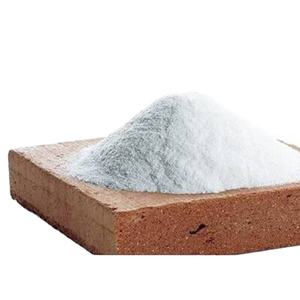
Admixtures—often called ‘concrete additives’—are ingredients added to concrete before or during mixing to modify its properties. Whether you’re pouring a driveway, erecting a skyscraper, or installing fiber cement siding, the right admixture can dramatically improve workability, strength, durability, and curing time. In this guide, we’ll break down everything you need to know about admixtures used in concrete today.
2. What Are Admixtures?
Admixtures are chemical or mineral substances incorporated into concrete mixes to achieve specific performance characteristics. They’re not part of the core ingredients (cement, water, aggregates), but they play a crucial supporting role. From reducing water content to speeding up setting time or adding color, admixtures make concrete more versatile and efficient.
The term ‘ad mixtures’ is sometimes used informally, but the correct technical term is ‘admixture.’ These concrete chemicals fall into two broad categories: chemical admixtures and mineral admixtures. Both are essential in tailoring concrete for everything from residential patios to earthquake-resistant infrastructure.
3. Major Types of Concrete Admixtures
Understanding concrete admixture types helps contractors and DIYers choose the best admixture for concrete in any given scenario. Here’s a look at the most common categories:
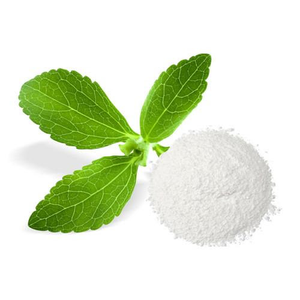
- Water reducing admixtures (also called concrete water reducers) cut the amount of mixing water needed, boosting strength without sacrificing workability. Superplasticizers—like polycarboxylate ether (PCE) or naphthalene-based types—are high-range water reducers that enable ultra-flowable mixes.
- Concrete accelerators shorten curing time, ideal for cold-weather pours or fast-track projects. Accelerating admixtures for concrete help achieve early strength, reducing formwork removal time.
- Concrete retarders (or admixture retarders) do the opposite—they delay setting, useful in hot climates or for long hauls. Surface retarder concrete products even allow decorative finishes by slowing surface cure.
- Air entraining admixtures introduce microscopic air bubbles, improving freeze-thaw resistance. An air entraining agent creates air entraining concrete that’s more durable in harsh conditions.
- Waterproofing admixtures—including integral waterproofers and crystalline waterproofing admixtures—block moisture penetration. A concrete waterproofing additive or cement waterproofing additive can turn ordinary concrete into a watertight barrier.
- Fiber reinforcement (like polypropylene fibres for concrete, steel fibers for concrete, or coconut fiber reinforced concrete) adds tensile strength and crack resistance. Fibers for concrete come in macro and micro sizes, enhancing everything from sidewalks to industrial floors.
4. Superplasticizers: The Game-Changer in Concrete Technology
Among all concrete additives, superplasticizers stand out for their transformative impact. Also known as super plasticizers or plasticizer for concrete, these high-range water reducers allow for dramatic slump increases without extra water.
Modern superplasticizer admixtures—especially PCE-based (polycarboxylate ether) formulas—offer superior dispersion, reduced dosage, and compatibility with supplementary cementitious materials. Whether labeled as superplasticizer in concrete, concrete superplasticizer additive, or polycarboxylate superplasticizer, these products enable self-consolidating and high-strength concrete with ease.
Brands like Chryso admixture lead the market, offering tailored solutions for everything from precast elements to pumped concrete. When choosing the best superplasticizer for concrete, consider factors like cement type, temperature, and required flow.
5. Specialty Additives for Aesthetics and Protection
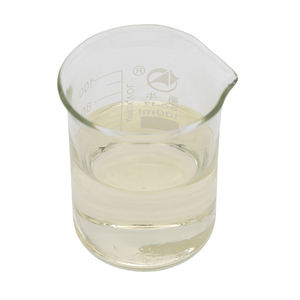
Beyond performance, admixtures also enhance appearance and longevity. Colored concrete uses tinted powders or stains to create stamped concrete colors ranging from charcoal to terra cotta. Release agents—like powder release agent for concrete or spray release—prevent stamps from sticking while adding accent hues.
For exterior applications like concrete siding, additives matter too. Hardie concrete siding and CertainTeed concrete siding often incorporate fiber reinforcement (fibercement siding) for impact resistance and wood-like aesthetics. Concrete fiber siding cost varies, but the durability justifies the investment for many homeowners.
Foaming agents are another niche but growing category. Used in foam concrete or CLC (cellular lightweight concrete), protein-based or synthetic foaming agents create insulating, lightweight blocks. The best foaming agent for aircrete balances stability, bubble size, and cost.
6. Choosing the Right Admixture
Selecting the best admixture for concrete depends on your project’s needs. Ask yourself: Do you need faster curing (concrete accelerator curing time)? Better finish (plasticizer admixture)? Moisture resistance (waterproof admix)? Crack control (fiber reinforced concrete)?
Always consult technical data sheets and consider compatibility with your cement type. For example, white cement—used in countertops or decorative work—may require specific superplasticizers or release agents to maintain brightness and smoothness.
7. Conclusion
From superplasticizer admixture to fiberfor concrete mix and crystalline waterproofing admixture, modern admixtures empower builders to push the limits of what concrete can do. As sustainability and performance drive innovation—evident in recent moves by companies like Chryso—the future of concrete lies not just in the mix, but in the molecules added to it. Whether you’re a contractor or a homeowner exploring concrete siding for homes, understanding admixture types ensures smarter, stronger, and longer-lasting results.
Our Website founded on October 17, 2012, is a high-tech enterprise committed to the research and development, production, processing, sales and technical services of ceramic relative materials such as What. Our products includes but not limited to Boron Carbide Ceramic Products, Boron Nitride Ceramic Products, Silicon Carbide Ceramic Products, Silicon Nitride Ceramic Products, Zirconium Dioxide Ceramic Products, etc. If you are interested, please feel free to contact us.