Concrete-mesa | Concrete Admixtures, Tools, and Production Machines

Sodium Silicate Concrete Sealer: A Deep Dive for the Practical Contractor
Is Your Concrete Floor a Permanent Dust Factory?
You’ve swept it for the thousandth time. The dust is back. It coats your tools, invades your inventory, and makes your workspace feel unprofessional. We’ve all been there, fighting a losing battle with a concrete slab that just won’t stop breaking down. That’s where sealing concrete floors with sodium silicate comes in. It’s a different beast entirely from the glossy coatings you know. This isn’t about a surface film; it’s a chemical transformation of the concrete itself. Let’s break down how it stacks up against other options, and when it’s the right (or wrong) choice for your project.
How Sodium Silicate Works: A Chemical Handshake
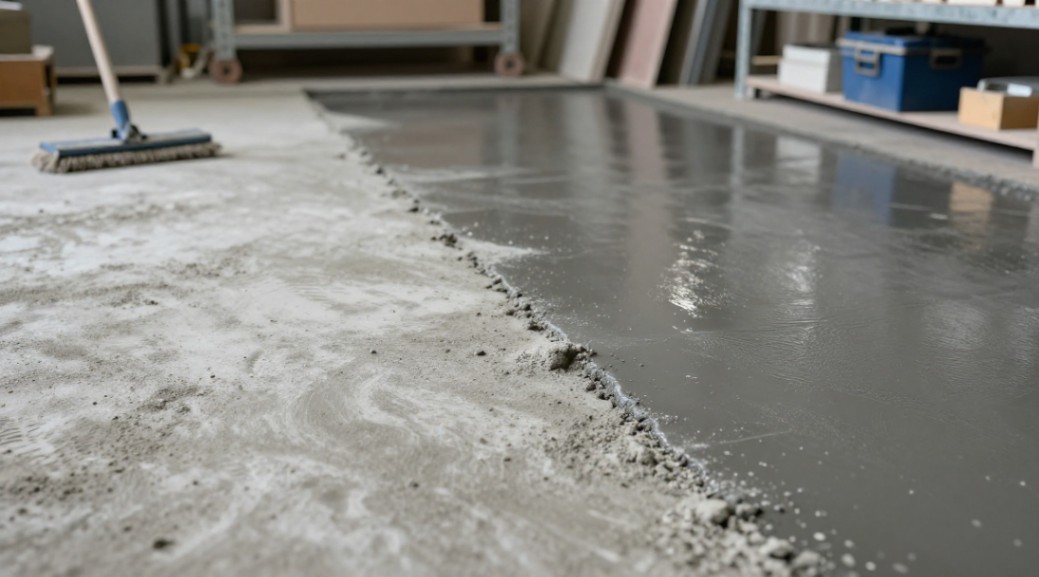
First, understand the process. Sodium silicate, often called waterglass, isn’t a typical sealer that sits on top. It penetrates deep into the concrete‘s pores. Inside, it reacts with free lime (calcium hydroxide), a byproduct of cement curing. This reaction creates calcium silicate hydrate (CSH) gel. CSH is the same binder that holds cured concrete together. So, sealing concrete floors with sodium silicate essentially grows more of the concrete’s own internal glue, permanently densifying and hardening the surface from within. No peeling. No coating to scratch.
Sodium Silicate vs. The Competition: The Real-World Trade-Offs
To make an informed choice, you need a clear head-to-head. Let’s compare sealing concrete floors with sodium silicate to the two most common alternatives: epoxy coatings and acrylic sealers. We see this debate constantly in contractor forums.
Many users on Reddit and trade boards praise sodium silicate for solving chronic dusting in old warehouses, but they also warn about its limitations for retail or chemical-heavy spaces. Let’s put that feedback into a clear format.
| Feature | Sodium Silicate (Penetrating) | Epoxy (Film-Forming) | Acrylic (Film-Forming) |
|---|---|---|---|
| Primary Mechanism | Chemical reaction within concrete | Plastic coating on top of concrete | Plastic coating on top of concrete |
| Surface Appearance | Natural matte finish, darkens slightly | High-gloss, seamless, many colors | Low to medium gloss, can yellow |
| Durability | Excellent abrasion resistance, won’t peel | Excellent chemical/impact resistance | Good UV resistance, fair durability |
| Main Drawback | NO chemical protection; stains can occur | Can be slippery, requires perfect prep | Wears quickly under heavy traffic |
| Best For | Industrial floors, warehouses, dustproofing | Garages, labs, kitchens, showrooms | Outdoor patios, decorative interior |
| Surface Prep | CRITICAL. Must be clean, open, and profile. | Extremely demanding. Must be clean, dry, and acid-etched/ground. | Moderate. Clean and degrease. |
| Application Skill | Medium. Even saturation is key. | High. Pot life, bubbles, and laps matter. | Low. Often spray-and-roll. |
| Cost (Material & Labor) | Low to Medium | High | Low |
The Non-Negotiable Process: Surface Prep and Application
Failure here means total failure. Sodium silicate can’t work on a sealed or dirty surface. We see this mistake every single week.
1. Surface Preparation: Your Foundation
This is 90% of the job. The concrete must be clean, open, and sound.
- Mechanically Profile: Use a diamond grinder or shot blaster. You must remove any existing sealers, laitance, or contaminants. The goal is to open the pores. A 30-60 grit metal bond diamond works well. Sweep and vacuum thoroughly.
- Deep Clean: Use a heavy-duty alkaline degreaser for oil stains. Scrub, let it dwell, and pressure rinse. For stubborn stains, consider a specialized concrete cleaner. The floor must be pH-neutral before proceeding.
- Check Moisture: The slab must be dry. Use a moisture meter. Readings should be below 4% for best results. If sealing a new slab, wait a minimum of 28 days.
2. Application: Saturate, Don’t Puddle
Follow the manufacturer’s specs. This is a general guide.
| Step | Action | Key Detail |
|---|---|---|
| 1. Mixing | Dilute concentrate per label. Usually a 3:1 or 4:1 water-to-product ratio. | Use clean water. Mix thoroughly in a plastic pail. |
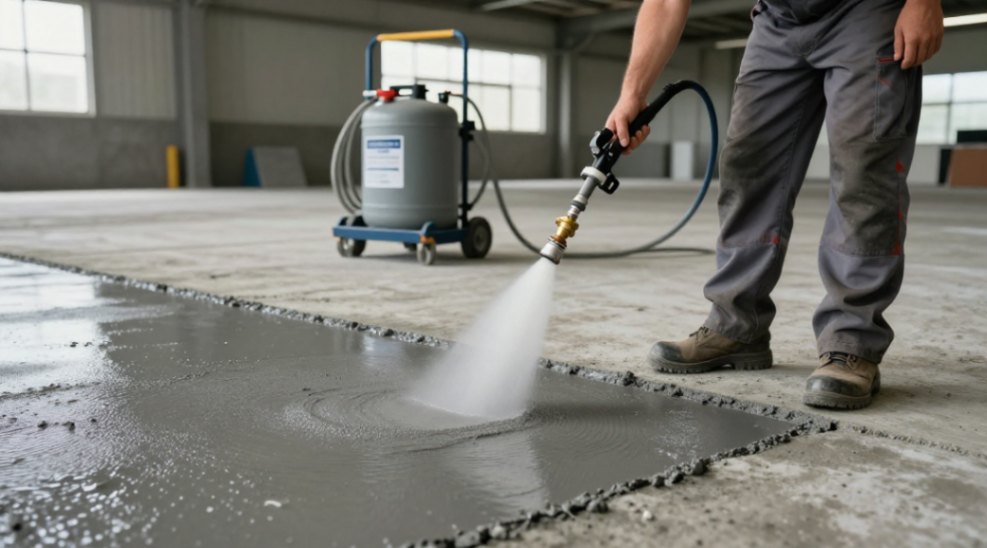
| 2. First Coat | Apply with a low-nap roller, sprayer, or squeegee. Flood the surface. | Work in manageable sections. Keep a wet edge. |
| 3. Dwell Time | Let it penetrate for 15-30 minutes. The surface will look wet. | If it absorbs instantly, apply more immediately. |
| 4. Remove Excess | After dwell, use a squeegee or wet vacuum to remove all unabsorbed liquid. | This prevents a shiny, slippery residue. |
| 5. Second Coat (Optional) | Repeat steps 2-4 after 1-2 hours, perpendicular to first coat. | Only needed for highly porous or old concrete. |
| 6. Curing | Allow 24-72 hours to fully cure before light foot traffic. 7 days for heavy loads. | Keep dry during this period. Ventilate the area. |
Safety, Limitations, and Long-Term Reality
Safety First
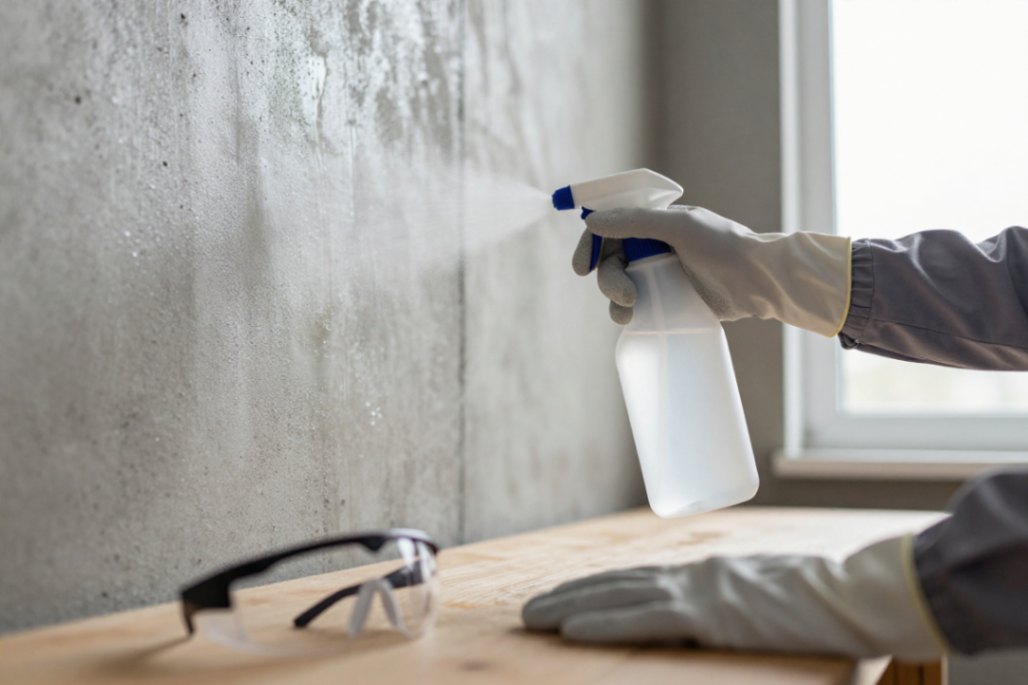
Sodium silicate is alkaline. Wear chemical-resistant gloves, safety goggles, and long sleeves. Ensure good ventilation. If it gets on your skin, rinse immediately with plenty of water.
The Honest Downsides
It’s not magic. Understand the limits.
- No Stain Protection: It densifies but does not seal pores against liquid penetration. Oil, acids, and dyes will still stain.
- Color Change: Concrete will darken permanently. Always test a small area first.
- Surface Defects: It hardens what’s there. If you have cracks or spalls, they remain. It does not fill or level.
Durability and Maintenance
Done right, the hardening is permanent. You won’t need to reapply the silicate. Maintenance is simple: regular sweeping and occasional damp mopping with a neutral pH cleaner. Avoid acidic cleaners. The floor will wear like very hard concrete-because that’s what it is.
The Final Verdict: Who Should Use It?
So, is sealing concrete floors with sodium silicate right for you? Here’s our blunt assessment.
Choose Sodium Silicate If: Your primary enemy is dust and abrasion. You have a warehouse, machine shop, or old basement floor. You want a natural, low-maintenance look with no film to fail. Budget is a concern.
Avoid Sodium Silicate If: You need chemical or stain resistance. You’re in a food service, automotive, or laboratory setting. You want a glossy, colored finish. The slab has active moisture issues.
Stop Wasting Time on Half-Measures
If you’re tired of the dust and need a permanent, cost-effective hardening solution, sodium silicate is the proven, professional-grade answer. It’s the workhorse sealer we’ve relied on for decades in industrial settings. Don’t experiment with off-brand kits from the big-box store. For a job this dependent on proper chemistry and technique, you need industrial-grade material.
Our Recommendation: Skip the guesswork. Purchase a professional-grade sodium silicate concentrate from a reputable concrete chemicals supplier. Brands like Prosoco, Lithi-Tek, or Surecrete have consistent formulations designed for contractor use. Get the right product, follow the prep steps we outlined, and transform your problem concrete floor in a weekend. Order your sealer today and finally win the fight against concrete dust for good.
Supplier
We are the global leader in lightweight concrete and advanced engineered foam solutions. Known globally for its commitment to research, innovation, and applied expertise, we have been providing engineered foam solutions since the early 2012’s.
We can supply high-quality concrete admixture and foam concrete related products all over the world.
The company has a professional technical department and quality supervision department, a well-equipped laboratory, and equipped with advanced testing equipment and after-sales customer service center.
If you are interested, please feel free and contact us.