Concrete-mesa | Concrete Admixtures, Tools, and Production Machines

Exploring the Use of Mineral Admixtures alongside Chemical Additives
Exploring using Mineral Admixtures along with Chemical Additives
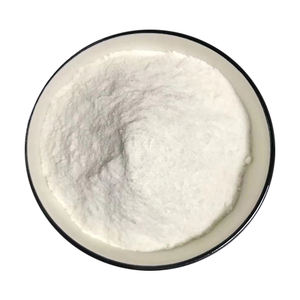
(Exploring the Use of Mineral Admixtures alongside Chemical Additives)
What Are Mineral Admixtures and Chemical Additives? .
Mineral admixtures are carefully ground products added to concrete to boost its buildings. Usual instances include fly ash, silica fume, and ground granulated blast-furnace slag. These come from industrial results or all-natural sources. Chemical ingredients, on the other hand, are liquid or powder materials engineered to alter just how concrete behaves during mixing, placing, or hardening. Instances include retarders, accelerators, and superplasticizers. While mineral admixtures mainly influence long-lasting toughness and durability, chemical additives commonly regulate workability, establishing time, or very early strength gain. Together, they create an effective duo that assists modern-day concrete satisfy requiring performance criteria.
Why Combine Mineral Admixtures with Chemical Additives? .
Using mineral admixtures alone can reduce early stamina growth. Including chemical additives balances this result. For instance, silica fume improves density and toughness however makes the mix stiff. A superplasticizer brings back flow without including additional water. This combination additionally minimizes the need for Portland cement, which lowers carbon exhausts. Service providers gain from better workability and longer placement windows. Engineers obtain resilient structures that stand up to breaking, sulfate attack, and chloride penetration. In marine atmospheres, this synergy is specifically important. As shown in real-world applications, the appropriate mix of mineral and chemical additives can considerably prolong service life in rough problems.
Exactly how Do You Make Use Of Them Together Properly? .
Success begins with comprehending each material’s role. First, select a mineral admixture based upon your goal– fly ash for workability and cost savings, silica fume for high toughness, or slag for sulfate resistance. After that, select a chemical additive that complements it. If you use a lot of fly ash, which postpones setup, you might include a moderate accelerator to maintain the routine on track. Constantly test trial batches. Concrete habits adjustments with temperature, humidity, and regional products. Dose matters too. Excessive superplasticizer with silica fume can trigger segregation. Too little might leave the mix unworkable. Comply with supplier guidelines but change based upon website conditions. Appropriate mixing sequence also counts– some additives need to be included after others to function well. Consistency in batching and timing ensures foreseeable outcomes each time.
Applications in Real-World Projects .
The combo of mineral admixtures and chemical ingredients shines in difficult jobs. Skyscrapers make use of ultra-high-strength lightweight concrete implemented by silica fume and high-range water reducers. This cuts dead tons while preserving structural honesty. Bridges in seaside locations depend on mixes with slag and deterioration inhibitors to combat saltwater damage. Dams and tunnels take advantage of low-heat blends utilizing fly ash, combined with established retarders to manage heat build-up throughout enormous puts. Also precast components make use of these systems to quicken production– accelerators help attain very early demolding strength, while mineral fillers fine-tune surface coating. For a lot more on pushing efficiency limits, see exactly how innovative admixtures allow next-gen concrete sought after building layouts. From facilities to household builds, this method delivers reliability, economic climate, and sustainability.
Frequently Asked Questions About Mineral Admixtures and Chemical Additives .
1. Can I replace all concrete with mineral admixtures?
No. The majority of criteria restrict replacement to 20– 50%, depending on the type and application. Full replacement weakens very early strength and may impact sturdiness.
2. Do chemical ingredients react severely with mineral admixtures?
Not normally. However compatibility testing is important. Some superplasticizers shed effectiveness in high-alkali systems like those with particular fly ashes.
3. Are these combinations more costly?
Usually, they conserve money. Fly ash and slag are less expensive than concrete. Superplasticizers minimize water and cement content, decreasing general expense per cubic meter.
4. Just how do I keep these materials?
Keep chemical ingredients in secured containers far from cold or extreme warmth. Shop completely dry mineral admixtures in completely dry silos to avoid wetness clumping.
5. Can I utilize them in winter?
Yes, however adjust thoroughly. Use accelerators with care alongside slag, which already slows down setting in low temperatures. Trial mixes are essential prior to major usage.
6. Do they influence healing demands?
Yes. Blends with high mineral material commonly require much longer wet treating to get to complete toughness. Do not miss treating even if the surface area looks hard.
7. Where can I learn more concerning field-tested mixes?
(Exploring the Use of Mineral Admixtures alongside Chemical Additives)
Inspect sensible guides like this contractor-focused resource on taking care of set times, or check out study on marine and high-strength applications linked over.