Concrete4U | Concrete Admixtures, Tools, and Production Machines

What Are Admixtures and How Do They Transform Modern Concrete?
1. Introduction
Just 24 hours ago, global construction giant LafargeHolcim announced a new line of eco-friendly concrete admixtures designed to cut carbon emissions by up to 30%—a move signaling the industry’s rapid shift toward greener building solutions. This innovation underscores how vital admixtures have become in modern construction, far beyond just improving mix consistency.
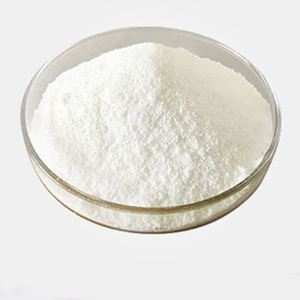
Admixtures—often called ‘concrete chemicals’—are materials added to concrete before or during mixing to modify its properties. Whether you’re pouring a driveway, building a skyscraper, or installing fiber cement siding, the right admixture can make all the difference in performance, longevity, and cost-efficiency.
2. What Are Admixtures?
Admixtures (sometimes spelled ‘ad mixtures’) are ingredients other than water, aggregates, and cement that are added to concrete to enhance specific characteristics. They fall into two broad categories: chemical admixtures and mineral admixtures. Chemical admixtures include liquids or powders like superplasticizers and accelerators, while mineral admixtures—such as fly ash or silica fume—are finely ground solids blended into the mix.
The use of admixture in concrete isn’t new, but today’s formulations are smarter, more targeted, and increasingly sustainable. From speeding up curing time to enabling stunning colored stamped concrete, these additives unlock capabilities traditional concrete simply can’t match.
3. Major Types of Concrete Admixtures
3.1 Water-Reducing Admixtures
Water reducing admixtures—also known as concrete water reducers—are among the most widely used. They decrease the water content needed for a given slump (workability), which boosts strength and durability without compromising flow. High-range water reducers (HRWRs) are essentially superplasticizers, capable of reducing water by 12–40%.
Superplasticizer in concrete is a game-changer. Polycarboxylate ether (PCE)-based superplasticizers, for instance, offer superior dispersion and slump retention compared to older naphthalene or melamine types. These super plasticizers are key in producing high-strength, self-consolidating concrete used in complex architectural forms.
3.2 Accelerating and Retarding Admixtures
Concrete accelerator admixtures shorten setting time—ideal for cold-weather pours or fast-track projects. Fast curing concrete additives help achieve early strength, crucial for formwork removal or road reopening.
On the flip side, a concrete retarder (or admixture retarder) delays hydration, useful in hot climates or for long-haul deliveries. Surface retarder concrete products even allow decorative stamping by keeping the surface soft while the core sets.
3.3 Air-Entraining Admixtures
Air entraining concrete contains microscopic air bubbles introduced via air entraining admixture (or air entraining agent). These bubbles improve freeze-thaw resistance—critical in northern climates—and enhance workability. Air entraining cement mixes are standard in many infrastructure codes for this reason.
3.4 Waterproofing Admixtures
Waterproofing admixture for concrete comes in several forms. Integral waterproofer types react within the matrix to block capillary pores, while crystalline waterproofing admixture forms insoluble crystals that self-seal cracks over time. Cement waterproofing additive and concrete waterproof admix options are popular for basements, tunnels, and water tanks.
4. Specialty Additives and Reinforcements
4.1 Fiber Reinforcement
Fibers for concrete—like polypropylene fibres for concrete, steel fibers for concrete, or even coconut fiber reinforced concrete—add tensile strength and crack control. Fiber reinforced concrete is now common in slabs, pavements, and even concrete siding for homes.
Products like Hardie concrete siding or CertainTeed concrete siding often use fiberfor concrete mixes to mimic wood grain while offering fire and pest resistance. Concrete fiber siding cost varies, but its durability makes it a smart long-term investment for modern concrete siding houses.
Macro fibers and microfibers serve different roles: macro fibers bridge cracks, while concrete microfiber reduces plastic shrinkage. Steel fiber reinforced concrete and carbon fiber reinforced concrete push performance even further in high-stress applications.
4.2 Foaming Agents and Aesthetics
For lightweight cellular concrete (like CLC blocks), a concrete foaming agent creates stable air voids. Protein-based or synthetic foaming agents for foam concrete must balance stability and bubble size—key to insulation and weight reduction.
Meanwhile, colored concrete relies on pigments and release agents. Stamped concrete colors—from charcoal to terra cotta—are applied with powder release agents or spray release to prevent sticking and add accent hues. Concrete release agent types (oil-based, water-based, or powder) ensure clean pattern transfer without surface damage.
5. Choosing the Best Admixture for Concrete
The best admixture for concrete depends on your project’s needs. For high-flow, low-water mixes, a PCE superplasticizer admixture is ideal. In wet environments, prioritize a waterproofing admixture. Cold pours? Reach for accelerating admixtures for concrete. And for crack-resistant slabs, consider fibermesh concrete with polypropylene fiber.
Brands like Chryso admixture offer tailored solutions, but always check compatibility with your cement type and local conditions. Don’t forget additives for mortar—many admixture types work across cementitious systems.
6. Conclusion
From superplasticizer admixture boosting fluidity to air entraining agents fighting frost damage, admixtures are the unsung heroes of modern concrete. As sustainability drives innovation—like LafargeHolcim’s new low-carbon formulas—the role of concrete additives will only grow. Whether you’re a contractor, architect, or DIYer sourcing from Home Depot concrete siding aisles or mixing white cement for countertops, understanding admixture types ensures smarter, stronger builds.
Our Website founded on October 17, 2012, is a high-tech enterprise committed to the research and development, production, processing, sales and technical services of ceramic relative materials such as What. Our products includes but not limited to Boron Carbide Ceramic Products, Boron Nitride Ceramic Products, Silicon Carbide Ceramic Products, Silicon Nitride Ceramic Products, Zirconium Dioxide Ceramic Products, etc. If you are interested, please feel free to contact us.