Concrete-mesa | Concrete Admixtures, Tools, and Production Machines

How Do You Choose and Use the Right Concrete Admixtures for Your Project?
1. Introduction
Ever poured concrete only to find it too stiff, sets too fast, or cracks after drying? You’re not alone. The secret weapon many pros use is concrete admixtures—specialized chemicals that tweak concrete’s behavior without changing its core ingredients. Whether you’re a DIYer tackling a backyard patio or a contractor managing a commercial build, understanding how to choose and apply the right admixture can save time, money, and headaches.
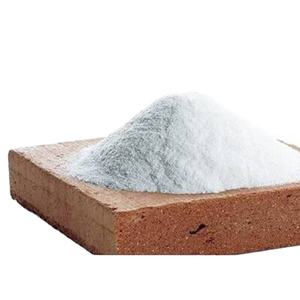
In this guide, we’ll break down the most common admixture types, explain what each one does, and walk you through step-by-step how to use them effectively—including superplasticizers, accelerators, retarders, waterproofing additives, fibers, and more.
2. Understand the Main Types of Concrete Admixtures
Concrete admixtures fall into two broad categories: chemical and mineral. Chemical admixtures (like superplasticizers or accelerators) are added in small doses to alter fresh or hardened concrete properties. Mineral admixtures (like fly ash or silica fume) are often used as partial cement replacements to improve long-term strength and durability.
Here are the most useful admixture types for everyday projects:
- Water-reducing admixtures (including superplasticizers): Boost workability without adding extra water.
- Concrete accelerators: Speed up setting and early strength gain—ideal for cold weather.
- Concrete retarders: Delay setting time, useful in hot climates or for large pours.
- Air-entraining admixtures: Create microscopic air bubbles to improve freeze-thaw resistance.
- Waterproofing admixtures: Add integral waterproofer or crystalline waterproofing admixture to block moisture penetration.
- Fiber reinforcement: Includes polypropylene fibres for concrete, steel fibers, or even coconut fiber concrete for crack control.
3. Step-by-Step: How to Select and Use the Best Admixture for Concrete
3.1 Identify Your Concrete Problem
Ask yourself: What’s the main issue? Is your mix too dry? Setting too fast? Prone to cracking? Need waterproofing? Match your problem to an admixture type. For example, if your concrete is hard to place or finish, a superplasticizer in concrete (also called a high-range water reducer) will increase flow without weakening the mix.
3.2 Choose the Right Product
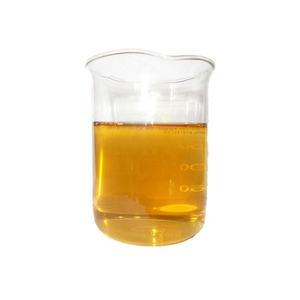
Not all admixtures are equal. For high-flow applications, polycarboxylate ether (PCE)-based superplasticizers offer superior performance over older naphthalene or melamine types. For waterproofing, consider a crystalline waterproofing admixture—it reacts with moisture to form insoluble crystals that seal pores from within. If you need fast curing concrete additives, look for accelerating admixtures for concrete containing calcium nitrate or similar compounds.
3.3 Follow Dosage Instructions Precisely
Admixtures are potent—even a small overdose can ruin a batch. Always check the manufacturer’s data sheet (often called a bio data sheet). Typical dosages range from 0.1% to 2% by weight of cement. For instance, a standard superplasticizer admixture might be added at 0.5–1.0% of cement weight. Never guess—use a scale.
3.4 Mix Properly
Add the admixture during batching, usually after initial water and cement contact. For superplasticizers, some contractors add part upfront and part later (“retard-dose”) to maintain slump over time. When using fiberfor concrete (like pp fiber concrete), ensure fibers are evenly dispersed—use a high-shear mixer if possible to avoid clumping.
3.5 Test Before Full Application
Always trial-batch a small amount first. Check workability, set time, and finishability. This is especially crucial when combining multiple concrete additives—some may interact unpredictably. For colored concrete or stamped projects, test compatibility with release agents and color powders too.
4. Common Problems and Quick Fixes with Admixtures
Problem: Concrete sets too fast in summer heat. → Solution: Use a concrete retarder admixture or surface retarder concrete to extend working time.
Problem: Cracking in slabs or driveways. → Solution: Add polypropylene fibres for concrete or macro fibers to control plastic shrinkage.
Problem: Water seeping through basement walls. → Solution: Incorporate a concrete waterproof admix or cement waterproofing additive during mixing.
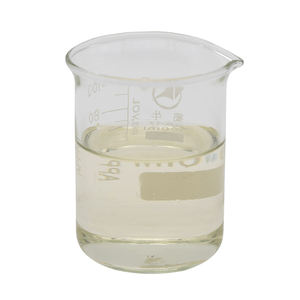
Problem: Low strength due to excess water. → Solution: Replace extra water with a concrete water reducer or superplasticizer admixture to maintain w/c ratio.
Problem: Freeze-thaw damage in sidewalks. → Solution: Use an air entraining agent to create protective air voids—this is critical for air entraining concrete in cold regions.
5. Special Considerations for Decorative and Specialty Concrete
For stamped concrete colors and patterns, timing matters. If using a concrete accelerator curing time may shorten, so plan stamping accordingly. Always pair with a quality concrete release agent—powder or spray—to prevent sticking and enhance color contrast.
When working with white cement (popular for countertops or modern finishes), avoid dark-colored admixtures that could tint the mix. Use clear or neutral superplasticizers and compatible concrete stain powder if needed.
For lightweight builds like CLC blocks, a reliable CLC foaming agent is essential. Protein-based or synthetic foaming agents create stable foam for cellular concrete—just ensure compatibility with your cement type.
6. Conclusion
Choosing the right admixture isn’t about using more chemicals—it’s about using the right ones intelligently. From superplasticizers that make pouring effortless to integral waterproofers that protect for decades, admixtures are powerful tools when applied correctly. Always read labels, respect dosage limits, and test first. With this guide, you’re equipped to tackle almost any concrete challenge—stronger, smarter, and smoother.
Our Website founded on October 17, 2012, is a high-tech enterprise committed to the research and development, production, processing, sales and technical services of ceramic relative materials such as How. Our products includes but not limited to Boron Carbide Ceramic Products, Boron Nitride Ceramic Products, Silicon Carbide Ceramic Products, Silicon Nitride Ceramic Products, Zirconium Dioxide Ceramic Products, etc. If you are interested, please feel free to contact us.