Concrete-mesa | Concrete Admixtures, Tools, and Production Machines

How Do You Choose and Use the Right Concrete Admixtures for Your Project?
1. Introduction
Just 24 hours ago, a major infrastructure project in Texas halted due to unexpected concrete cracking caused by improper admixture selection—a stark reminder that even small errors in choosing concrete additives can lead to costly delays. With rising demand for high-performance, sustainable, and durable concrete, understanding how to correctly use admixtures has never been more critical. Whether you’re pouring a backyard patio or constructing a commercial high-rise, this guide gives you actionable steps to pick and apply the right admixture types for your job.
2. Understanding Concrete Admixtures and Their Roles
Concrete admixtures are chemical or mineral additives mixed into concrete to modify its properties during mixing, placing, or curing. They solve real-world problems like excessive water content, slow setting times, freeze-thaw damage, or water leakage. The market offers dozens of options, but they generally fall into categories like water reducers, accelerators, retarders, air-entraining agents, waterproofers, and fiber reinforcements.
2.1. Water Reducing Admixtures and Superplasticizers
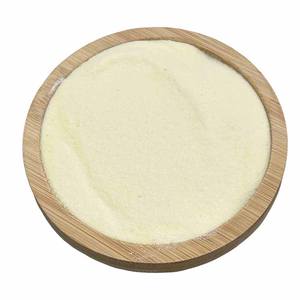
If your mix is too stiff or requires less water without losing workability, water reducing admixtures are your go-to. Standard water reducers cut water content by 5–10%, while superplasticizers (also called high-range water reducers) can reduce it by 15–30%. Superplasticizer in concrete—especially polycarboxylate ether (PCE)-based types—delivers excellent flow without segregation. Always follow manufacturer dosage guidelines; overdosing can cause rapid slump loss or bleeding. For self-consolidating concrete, PCE superplasticizer admixture is often the best admixture for concrete due to its stability and compatibility with modern cements.
2.2. Accelerators and Retarders for Timing Control
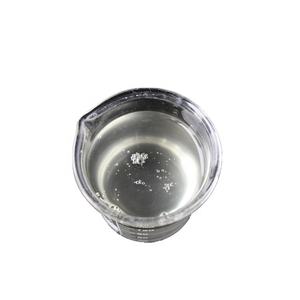
Need fast curing concrete additives to pour in cold weather? Concrete accelerator admixtures shorten setting time and boost early strength—ideal for winter pours or emergency repairs. On the flip side, if you’re working in hot climates or need extra finishing time, a concrete retarder admixture (or surface retarder concrete for decorative stamping) delays hydration. Never confuse the two: using an accelerator when you need a retarder can ruin your slab’s finish and structural integrity.
2.3. Air Entraining and Freeze-Thaw Protection
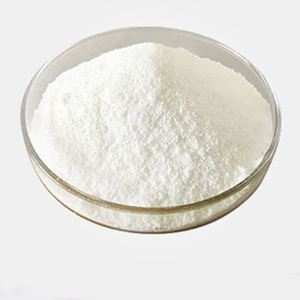
In regions with freezing temperatures, air entraining concrete is non-negotiable. Air entraining admixture introduces microscopic air bubbles that act as pressure relief valves during ice expansion. Look for products labeled as air entraining agent or air entraining cement additive. Without this, concrete exposed to moisture and freeze-thaw cycles will spall and crack within months.
3. Solving Common Problems with Targeted Admixtures
3.1. Waterproofing and Leak Prevention
For basements, tanks, or wet areas, use a crystalline waterproofing admixture or integral waterproofer. Unlike surface sealers, these concrete waterproofing additives react with cement to form insoluble crystals that block capillaries. Cement waterproofing additive and waterproof admix options like those from Chryso admixture lines offer long-term protection without maintenance. Avoid confusing them with temporary coatings—true admixture waterproofing works from within the matrix.
3.2. Cracking and Shrinkage Control with Fibers
Cracks from plastic shrinkage or impact can be minimized with fiber reinforcement. Polypropylene fibres for concrete (microfibers) control early-age cracking, while macro fibers like steel fibers for concrete enhance post-crack toughness. Fiber reinforced concrete mix is now standard in industrial floors and pavements. Note: concrete fiber siding or fibercement siding uses different fiber blends and isn’t relevant for structural pours—but for slabs, pp fiber concrete significantly improves durability.
3.3. Achieving Aesthetic Finishes
Want colored and stamped concrete that lasts? Use compatible release agents (like powder release agent for concrete or water-based release spray) alongside tinted concrete mixes. Avoid adding color powders that interfere with admixture chemistry. If using white cement for countertops or decorative elements, pair it with a compatible superplasticizer to maintain flow without yellowing.
4. Step-by-Step Guide to Selecting and Using Admixtures
Step 1: Define your primary need—workability, speed, durability, or appearance. Step 2: Check ambient conditions (temperature, humidity). Step 3: Review compatibility—some super plasticizers don’t mix well with certain retarders or air entrainers. Step 4: Calculate dosage precisely; most concrete admixture types are dosed at 0.1%–2% by weight of cement. Step 5: Add in the correct sequence—usually after water and before aggregates for liquid admixtures. Step 6: Test a small batch first. Never assume a ‘universal’ mix works everywhere.
5. Pro Tips and Pitfalls to Avoid
- Never substitute household detergents as homemade foaming agent for concrete—they lack stability and can weaken the mix. Use only certified protein-based or synthetic foaming agents for foam concrete. – Avoid overusing superplasticizer admixture; it can cause flash set or excessive air entrainment. – When combining multiple concrete chemicals (e.g., accelerator + fiber + waterproofing admixture), consult technical data sheets to prevent adverse reactions. – Store admixtures properly—many degrade in extreme heat or cold.
6. Conclusion
Choosing the right admixture used in concrete isn’t about picking the most expensive product—it’s about matching the chemistry to your project’s physical and environmental demands. From superplasticizer for cement workability to polypropylene fibre for crack control and crystalline waterproofing admixture for basements, each additive solves a specific problem. By following this guide, you’ll avoid common mistakes, save time and money, and ensure your concrete performs as intended for decades.
Our Website founded on October 17, 2012, is a high-tech enterprise committed to the research and development, production, processing, sales and technical services of ceramic relative materials such as How. Our products includes but not limited to Boron Carbide Ceramic Products, Boron Nitride Ceramic Products, Silicon Carbide Ceramic Products, Silicon Nitride Ceramic Products, Zirconium Dioxide Ceramic Products, etc. If you are interested, please feel free to contact us.