Concrete4U | Concrete Admixtures, Tools, and Production Machines

Master the Magic of Admixtures: Boost Your Concrete Game Today!
1. Introduction
Just 24 hours ago, engineers in Dubai broke ground on a new eco-tower using ultra-high-performance concrete laced with cutting-edge polycarboxylate ether superplasticizers and carbon fiber reinforcement—proving once again that modern construction runs on chemistry, not just cement. And at the heart of it all? Admixtures.
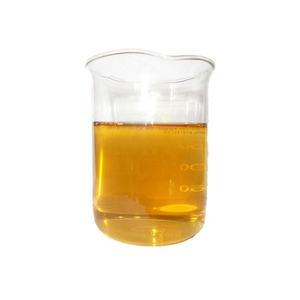
Forget boring gray slabs. Today’s concrete is a high-tech cocktail of sand, stone, water, cement—and secret sauce. That sauce? Admixtures. These concrete additives transform ordinary mixes into engineering marvels, whether you’re building a backyard patio or a supertall skyscraper.
2. What Exactly Are Admixtures?
Admixtures (sometimes spelled ‘ad mixtures’—but let’s keep it classy) are chemical or mineral ingredients added to concrete before or during mixing to modify its properties. Think of them as the protein powder, pre-workout, or even the espresso shot for your concrete mix.
They’re not optional extras—they’re essential tools in the modern builder’s kit. Without them, we’d still be waiting weeks for concrete to cure or watching sidewalks crack after the first freeze.
3. The Big Families of Concrete Admixture Types
Not all heroes wear capes—some come in drums labeled ‘superplasticizer.’ Here’s a quick tour of the main admixture types used in concrete today:
- Water reducing admixtures (like concrete water reducers and high-range water reducers)
- Superplasticizers (aka super plasticizers or polycarboxylate ether-based powerhouses)
- Accelerators and retarders (for fast curing concrete additives or concrete retarder admixtures)
- Air entraining admixtures (hello, air entraining agent!)
- Waterproofing admixtures (including crystalline waterproofing admixture and integral waterproofer)
- Mineral admixtures (like fly ash or silica fume)
- Fiber reinforcements (polypropylene fibres, steel fibers, even coconut fiber concrete!)
4. Superplasticizers: The Rockstars of Concrete Chemistry
If concrete had a VIP lounge, superplasticizers would be sipping champagne in the corner. These chemical admixtures drastically reduce water content while boosting flow—without weakening the mix.
Polycarboxylate ether (PCE) superplasticizers are the current gold standard. They offer better slump retention, lower dosage requirements, and are more eco-friendly than old-school naphthalene or melamine-based versions.
Need high-strength, self-consolidating concrete? You’ll want a top-tier superplasticizer admixture. Brands like Chryso admixture lead the market, but always check the bio data sheet before pouring.
5. Timing Is Everything: Accelerators vs. Retarders
Concrete doesn’t run on your schedule—it runs on chemistry. But with the right admixture, you can bend time (sort of).
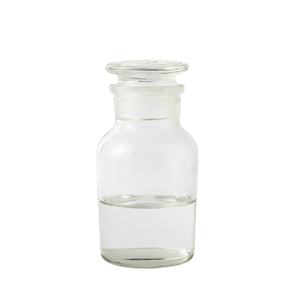
Concrete accelerator? Perfect for cold weather pours or when you need to strip forms ASAP. It slashes curing time and gets your project moving.
On the flip side, a concrete retarder (or surface retarder concrete for decorative finishes) buys you precious minutes—or hours—on hot days or complex placements.
Pro tip: Never confuse an admixture retarder with procrastination. One delays setting; the other just delays progress.
6. Air Entraining: Because Concrete Needs to Breathe (Sort Of)
Air entraining admixture introduces microscopic bubbles into the mix. Sounds weird? It’s genius.
These tiny air pockets act like shock absorbers during freeze-thaw cycles, preventing cracks and spalling. Critical for driveways, bridges, and anything exposed to winter weather.
Air entraining concrete isn’t fluffy—it’s tough. Just ask any civil engineer in Minnesota.
7. Waterproof Like a Pro
Waterproofing admixture options range from integral waterproofer to crystalline waterproofing admixture that actually grows crystals inside pores to block moisture.
Looking for a cement waterproofing additive or concrete waterproof admix? Make sure it’s compatible with your mix design. And no, dumping in extra cement won’t cut it.
For basements, tanks, or pools, a quality waterproof admix could save you thousands in future repairs.
8. Fibers: Not Just for Your Smoothie
Fiber reinforced concrete is having a moment—and for good reason. Whether it’s polypropylene fibre, steel fibers for concrete, or even experimental coconut fibre concrete, fibers add toughness, reduce cracking, and improve impact resistance.
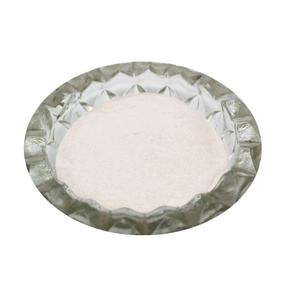
Macro fibers handle structural loads; microfibers fight plastic shrinkage. And yes, there’s such a thing as concrete microfiber.
Bonus: Fiberfor concrete mixes also eliminate the need for secondary reinforcement in slabs—saving labor and time.
9. Don’t Forget the Extras
Beyond performance, admixtures handle aesthetics too. Colored concrete? Stamped concrete colors? All possible with tinted concrete powders and release agents.
And if you’re into foam concrete (like CLC blocks), you’ll need a reliable foaming agent—protein-based or synthetic—for consistent air bubbles.
Even white cement gets a boost from superplasticizers to achieve that pristine finish for countertops or facades.
10. Choosing the Best Admixture for Concrete
There’s no universal ‘best admixture for concrete.’ It depends on your climate, application, budget, and timeline.
Ask yourself: Do I need faster strength gain? Better flow? Freeze resistance? Waterproofing? Then match your need to the right admixture chemical.
Always consult technical data sheets and consider compatibility—especially when blending multiple concrete chemicals.
11. Conclusion
Admixtures aren’t magic—but they might as well be. From superplasticizer in concrete to fiber reinforcement and smart waterproofing solutions, these additives turn basic mixes into high-performance materials.
So next time you see a sleek modern concrete siding house with fiber cement siding that looks like wood (thanks, Hardie and Certainteed!), remember: it’s not just concrete. It’s concrete plus clever chemistry.
Our Website founded on October 17, 2012, is a high-tech enterprise committed to the research and development, production, processing, sales and technical services of ceramic relative materials such as Master. Our products includes but not limited to Boron Carbide Ceramic Products, Boron Nitride Ceramic Products, Silicon Carbide Ceramic Products, Silicon Nitride Ceramic Products, Zirconium Dioxide Ceramic Products, etc. If you are interested, please feel free to contact us.