Concrete-mesa | Concrete Admixtures, Tools, and Production Machines

How Do You Choose and Use the Right Admixtures for Your Concrete Project?
1. Introduction
Whether you’re pouring a backyard patio, building a commercial foundation, or crafting decorative stamped concrete, getting the mix just right is critical. That’s where admixtures come in. Concrete admixtures—also called concrete additives or concrete chemicals—are ingredients added to your mix to modify its properties. From speeding up cure time with a concrete accelerator to boosting freeze-thaw resistance with an air entraining admixture, the right choice can make or break your project.
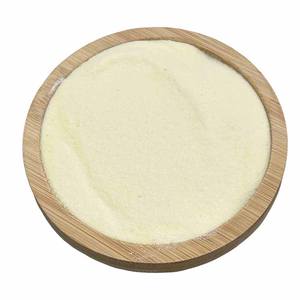
But with so many options—superplasticizers, retarders, waterproofing admixtures, fibers, foaming agents—it’s easy to feel overwhelmed. This step-by-step guide cuts through the confusion and shows you exactly how to choose and use the best admixture for concrete based on your specific needs.
2. Understand the Main Admixture Types
Before you buy anything, know what each category does. Admixture types fall into functional groups:
- Water reducing admixtures (like superplasticizer admixture) increase flow without adding water, improving strength and finish.
- Concrete retarder and admixture retarder slow setting time—ideal for hot weather or long hauls.
- Accelerating admixtures for concrete (e.g., concrete accelerator) reduce curing time, perfect for fast-track jobs.
- Air entraining concrete additives introduce tiny air bubbles to resist freeze-thaw damage.
- Waterproofing admixture options include integral waterproofer, crystalline waterproofing admixture, and cement waterproofing additive.
- Fiber reinforcement (polypropylene fibres for concrete, steel fibers for concrete, etc.) reduces cracking and boosts toughness.
- Foaming agents create lightweight cellular concrete for insulation or blocks.
3. Solve Common Problems with Targeted Admixtures
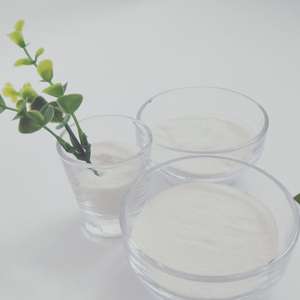
3.1. Problem: Concrete Is Too Stiff or Hard to Pour
Use a superplasticizer in concrete. Super plasticizers—especially polycarboxylate ether (PCE)-based types—are high-range water reducers that dramatically improve workability. They’re often called plasticizer for concrete or concrete plasticiser. Add 0.5–2% by weight of cement, following manufacturer instructions. This gives you a flowing mix without weakening the final product.
3.2. Problem: Concrete Sets Too Fast in Hot Weather
Reach for a concrete retarder admixture. Surface retarder concrete products are great for exposed aggregate finishes, while admixture retarders delay initial set by hours. Dosage varies, but typically 0.1–0.5% of cement weight works well. Always test a small batch first.
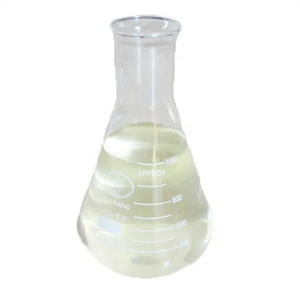
3.3. Problem: Cracking or Low Impact Resistance
Add reinforcement fiber for concrete. Polypropylene fibre, macro fibers, or steel fiber reinforced concrete dramatically reduce plastic shrinkage cracks. For residential slabs, pp fiber concrete at 0.5–1 kg/m³ is cost-effective. For industrial floors, consider steel fibers for concrete or carbon fiber reinforcement in concrete for extra durability.
3.4. Problem: Water Seepage or Moisture Damage
Choose a waterproof admix. Options include crystalline waterproofing admixture (which reacts with moisture to seal pores), integral waterproofer, or concrete waterproofing additive. Unlike surface coatings, these work from within. Add during batching—typically 1–3% of cement weight—for long-term protection in basements, tanks, or foundations.
3.5. Problem: Need Lightweight or Insulating Concrete
Use a concrete foaming agent. Protein-based or synthetic foaming agent for foam concrete creates stable air bubbles, yielding CLC (cellular lightweight concrete). Mix with a foaming machine and standard cement to produce blocks or insulating fills. Dosage depends on desired density—usually 30–100 ml per liter of foam.
4. Practical Mixing Tips
Always add admixtures to the mix water before introducing cement. Never dump dry admixture directly into dry cement—it won’t disperse evenly. For superplasticizer admixture, avoid overdosing; too much can cause segregation or excessive bleeding. When using multiple concrete additives (e.g., a water reducer plus fiber), check compatibility—some brands like Chryso admixture offer pre-tested blends.
Also, remember that mineral admixture (like fly ash or silica fume) can complement chemical admixtures but may alter setting times. Adjust your accelerator or retarder dosage accordingly.
5. Special Cases: Decorative & Colored Concrete
For stamped or colored concrete, use a concrete release agent (powder or spray) to prevent sticking to molds. Tinted release powders also add accent colors. When coloring, opt for concrete stain powder or colored concrete powder mixed into the batch—not just surface paint. And if you’re using white cement for countertops or bright finishes, pair it with a compatible superplasticizer to maintain flow without yellowing.
6. Conclusion
Choosing the right admixture used in concrete doesn’t have to be guesswork. Match your problem—whether it’s slow curing, water intrusion, cracking, or poor workability—to the correct admixture type. Always follow dosage guidelines, test small batches, and prioritize quality products like PCE-based superplasticizer, proven waterproofing admixture for concrete, or trusted fibers for concrete mix. With the right concrete chemicals in your toolkit, your next pour will be stronger, smoother, and built to last.
Our Website founded on October 17, 2012, is a high-tech enterprise committed to the research and development, production, processing, sales and technical services of ceramic relative materials such as How. Our products includes but not limited to Boron Carbide Ceramic Products, Boron Nitride Ceramic Products, Silicon Carbide Ceramic Products, Silicon Nitride Ceramic Products, Zirconium Dioxide Ceramic Products, etc. If you are interested, please feel free to contact us.