Concrete-mesa | Concrete Admixtures, Tools, and Production Machines

7 Niche (But Brilliant) Uses of Concrete Admixtures You Never Knew Existed
1. Introduction
Just 24 hours ago, a team in Reykjavik unveiled a carbon-negative pedestrian bridge made entirely from fiber-reinforced concrete infused with a crystalline waterproofing admixture—designed to survive glacial melt cycles and sub-zero corrosion. It’s not sci-fi; it’s modern civil engineering powered by smart concrete chemicals. And at the heart of this innovation? Admixtures.
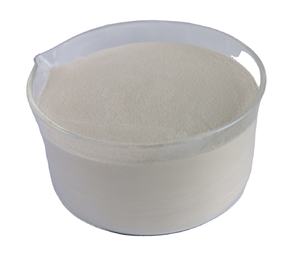
Forget the dusty image of gray slabs. Today’s concrete is a high-performance material tuned like a Formula 1 engine—with the right admixture used in concrete, you can control flow, strength, curing time, and even aesthetics. Let’s dive into seven niche but game-changing applications where concrete admixtures steal the show.
2. Superplasticizers in 3D-Printed Concrete Homes
3D-printed houses are no longer prototypes—they’re popping up from Texas to Tanzania. But printing concrete layer-by-layer demands near-perfect rheology: fluid enough to extrude, stiff enough to hold shape instantly. Enter polycarboxylate ether (PCE)-based superplasticizer admixtures.
These high-range water reducers slash water content by up to 40% while maintaining workability—critical when your ‘formwork’ is thin air. Without superplasticizer in concrete, printed walls would slump like overcooked pasta. Bonus: less water = higher early strength = faster occupancy. Builders using PCE superplasticizer report curing times cut by half, thanks to optimized cement hydration.
- Enables precise extrusion without segregation
- Reduces need for vibration or formwork
- Compatible with fiber reinforcement for crack resistance
3. Crystalline Waterproofing Admixtures in Subsea Tunnels
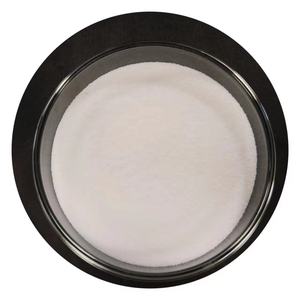
Beneath the Baltic Sea, engineers are lining new rail tunnels with concrete that heals its own microcracks. How? Crystalline waterproofing admixture—a reactive concrete waterproofing additive that grows insoluble crystals inside capillaries when exposed to water.
Unlike surface-applied membranes that degrade, this integral waterproofer becomes part of the matrix. It’s especially vital where repair access is impossible (read: under 100 meters of seawater). Cement waterproofing additive systems like these outperform traditional coatings in longevity and reliability—making them the go-to for marine infrastructure worldwide.
4. Air Entraining Agents in Arctic Runways
Imagine pouring concrete in -40°C. Now imagine planes landing on it daily. That’s life in northern Canada, where air entraining concrete isn’t optional—it’s existential. Air entraining admixtures create billions of microscopic bubbles that act as pressure relief valves during freeze-thaw cycles.
Without these tiny air pockets, water expands upon freezing and shreds concrete from within. The result? Crumbling runways. With air entraining cement, however, structures endure decades of polar punishment. Modern air entraining agents are so refined they won’t compromise strength—just add resilience.
5. Surface Retarders for Exposed-Aggregate Art Installations
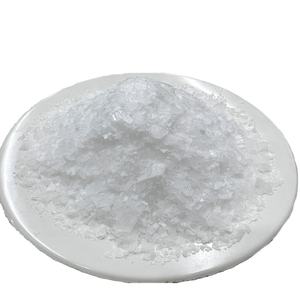
Ever seen a plaza floor that looks like a riverbed frozen in time? That’s stamped and colored concrete meets surface retarder concrete magic. A surface retarder delays the set of the top 3–5 mm while the bulk cures normally.
After 24 hours, a gentle wash reveals embedded stones, glass, or shells—creating bespoke patterns without chiseling. Paired with tinted concrete and powder release agents, this technique turns sidewalks into public art. Pro tip: use a water-based release agent to avoid discoloration on light-colored mixes.
6. Coconut Fiber + Polypropylene Hybrids in Sustainable Siding
Move over, vinyl. The next wave of concrete siding for homes blends polypropylene fibres for concrete with coconut fiber reinforced concrete—yielding lightweight, impact-resistant panels that mimic wood grain. Brands like Hardie and CertainTeed now experiment with natural fibers to reduce carbon footprint.
These concrete fiber siding systems leverage both macro fibers (for tensile strength) and microfibers (to control plastic shrinkage). Add a concrete accelerator curing time booster, and you’ve got fast-curing, termite-proof cladding that costs less than cedar—and lasts twice as long. Bonus: it’s fire-rated and mold-resistant.
7. Foaming Agents in Ultra-Lightweight CLC Blocks
In dense urban zones like Mumbai and Manila, builders are swapping bricks for cellular lightweight concrete (CLC) blocks made with protein-based foaming agents. These concrete foaming agents whip air into cement slurry, creating blocks that weigh 1/3 of traditional masonry.
The secret? A stable foam structure from synthetic or protein-based foaming agent concrete formulations. When combined with a mid-range water reducer and mineral admixture like fly ash, CLC achieves thermal insulation, sound dampening, and easy handling—all while cutting structural load. Best part: CLC foaming agent price has dropped 30% since 2022, making it accessible globally.
8. Conclusion
Admixtures aren’t just ‘additives’—they’re precision tools that transform concrete from a passive material into an intelligent, responsive system. Whether you’re battling permafrost with air entraining admixtures or printing a house with superplasticizer admixture, the future of construction is being mixed, not poured. So next time someone calls concrete boring, hand them a coconut-fiber-reinforced, self-waterproofing, 3D-printed coffee table—and watch their jaw drop.
Our Website founded on October 17, 2012, is a high-tech enterprise committed to the research and development, production, processing, sales and technical services of ceramic relative materials such as 7. Our products includes but not limited to Boron Carbide Ceramic Products, Boron Nitride Ceramic Products, Silicon Carbide Ceramic Products, Silicon Nitride Ceramic Products, Zirconium Dioxide Ceramic Products, etc. If you are interested, please feel free to contact us.