Concrete4U | Concrete Admixtures, Tools, and Production Machines

How to Choose and Use Concrete Admixtures: A Step-by-Step Guide to Optimizing Performance and Durability
1. Introduction
In the past 48 hours, global construction material suppliers have reported a surge in demand for high-performance concrete admixtures, driven by infrastructure projects prioritizing sustainability and rapid curing. With climate resilience and efficiency at the forefront, professionals are increasingly relying on advanced concrete chemicals to meet stringent performance benchmarks. Understanding how to properly use admixtures is no longer optional—it’s essential.
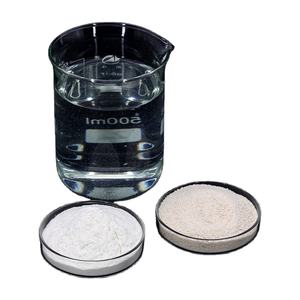
Concrete admixtures are materials added to concrete before or during mixing to modify its properties. Whether you’re aiming for faster setting, improved flow, enhanced freeze-thaw resistance, or waterproofing, the right admixture can make all the difference. This guide walks you through selecting and applying the best admixture for concrete based on your project goals.
2. Understanding Admixture Types
Before choosing an admixture, it’s critical to understand the main categories of concrete admixture types. These fall into two broad groups: chemical and mineral admixtures. Chemical admixtures include superplasticizers, accelerators, retarders, air-entraining agents, and waterproofing additives. Mineral admixtures—like fly ash or silica fume—improve long-term strength and reduce permeability.
- Water reducing admixtures (including mid-range and high-range water reducers like superplasticizers) improve workability without adding extra water.
- Accelerating admixtures for concrete shorten curing time—ideal for cold-weather pours.
- Concrete retarder admixtures delay setting, useful in hot climates or for complex placements.
- Air entraining admixture introduces microscopic air bubbles to boost freeze-thaw resistance.
- Waterproofing admixture for concrete (such as crystalline waterproofing admixture or integral waterproofer) prevents moisture ingress.
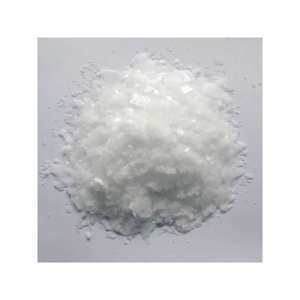
3. Step-by-Step Selection and Application Guide
3.1. Determine Your Primary Objective
Ask: What problem are you solving? Need faster formwork removal? Use a concrete accelerator. Pouring in summer heat? A concrete retarder or surface retarder concrete may be necessary. For high-strength, low-water mixes, a superplasticizer in concrete is ideal. If waterproofing is key, consider a cement waterproofing additive or concrete waterproof admix.
3.2. Choose the Right Superplasticizer
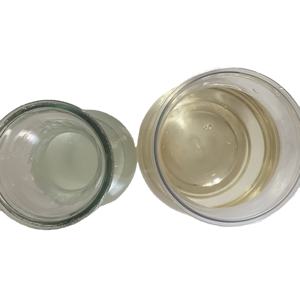
Superplasticizers—also called high-range water reducers—are among the most widely used concrete additives. Modern formulations like polycarboxylate ether (PCE) superplasticizers offer superior slump retention and lower dosage requirements compared to older naphthalene or melamine-based types. When selecting a superplasticizer admixture, verify compatibility with your cement type and check the polycarboxylate superplasticizer price versus performance.
3.3. Incorporate Air Entraining Agents Correctly
For regions with freezing temperatures, air entraining concrete is non-negotiable. An air entraining agent creates stable micro-bubbles that prevent cracking during freeze-thaw cycles. Dosage is critical—typically 0.05% to 0.2% by weight of cement. Overuse can weaken compressive strength, while underuse compromises durability.
3.4. Apply Waterproofing and Fiber Additives
To achieve long-term moisture resistance, integrate a waterproofing admixture such as a crystalline waterproofing admixture or integral waterproofer directly into the mix. For crack control and impact resistance, add reinforcement fiber for concrete—options include polypropylene fibres for concrete, steel fibers for concrete, or even coconut fiber reinforced concrete for sustainable builds. Fibers should be evenly dispersed during mixing; use macro fibers for structural enhancement or microfibers for plastic shrinkage control.
3.5. Use Foaming Agents for Lightweight Applications
When producing foam concrete or CLC blocks, a concrete foaming agent is essential. Protein-based or synthetic foaming agents generate stable foam for cellular concrete. Ensure the foaming agent used in concrete matches your equipment—clc foaming agent price varies by stability and expansion ratio. Always test small batches first.
4. Common Mistakes to Avoid
Never assume all admixtures are compatible. Mixing incompatible chemical admixture for concrete types (e.g., certain superplasticizers with accelerators) can cause flash set or excessive retardation. Always consult technical data sheets and conduct trial batches. Also, avoid overdosing—more isn’t better. A slight excess of superplasticizer can lead to segregation, while too much air entraining cement reduces strength.
Additionally, don’t confuse surface treatments with integral additives. A concrete release agent (like a water-based release agent or powder release agent) aids form removal but doesn’t alter internal concrete properties. Similarly, colored concrete requires pigments—not admixtures—for aesthetic effects.
5. Conclusion
Selecting and using the right admixture used in concrete requires understanding both your project’s environmental demands and material science principles. From superplasticizer admixture for fluidity to fiberfor concrete mix for toughness, each concrete additive serves a precise function. By following this step-by-step approach—defining objectives, choosing appropriate admixture types, dosing accurately, and avoiding common errors—you’ll ensure durable, high-performance concrete every time. Whether you’re working with white cement for decorative finishes or fast curing concrete additives for emergency repairs, the best admixture for concrete is the one matched precisely to your need.
Our Website founded on October 17, 2012, is a high-tech enterprise committed to the research and development, production, processing, sales and technical services of ceramic relative materials such as How. Our products includes but not limited to Boron Carbide Ceramic Products, Boron Nitride Ceramic Products, Silicon Carbide Ceramic Products, Silicon Nitride Ceramic Products, Zirconium Dioxide Ceramic Products, etc. If you are interested, please feel free to contact us.