Concrete4U | Concrete Admixtures, Tools, and Production Machines

7 Essential Types of Concrete Admixtures Every Builder Should Know
1. Introduction
Concrete is more than just cement, sand, and water. Modern construction relies heavily on concrete admixtures—specialized chemicals that enhance workability, strength, curing time, and durability. Whether you’re pouring a foundation, crafting decorative stamped concrete, or building with fiber-reinforced panels, the right admixture can make all the difference.
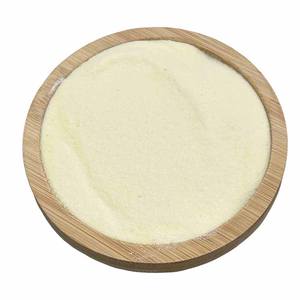
From superplasticizers that boost flow without extra water to crystalline waterproofing admixtures that seal pores from within, today’s concrete additives solve complex engineering challenges. Let’s break down seven critical admixture types every builder, contractor, or DIYer should understand.
2. Superplasticizers: The High-Performance Water Reducers
Superplasticizers (also called high-range water reducers) are among the most widely used concrete admixtures. They dramatically increase slump and workability while reducing water content by up to 40%—leading to stronger, denser concrete.
Two main chemistries dominate this category: naphthalene-based superplasticizers and polycarboxylate ether (PCE)-based superplasticizers.
- Naphthalene sulfonate superplasticizers are cost-effective and offer good early-strength gain but have shorter slump retention.
- Polycarboxylate ether superplasticizers provide superior flow, extended workability, and compatibility with modern cements—making them the best superplasticizer for high-performance concrete.
Both fall under water reducing admixtures, but PCE-based options are increasingly preferred for precast, self-consolidating, and high-strength mixes. Look for terms like ‘polycarboxylate superplasticizer’ or ‘PCE plasticizer’ when sourcing these concrete chemicals.
3. Air-Entraining Admixtures: Freeze-Thaw Defense
In cold climates, water inside concrete freezes and expands, causing surface scaling and internal cracking. Air-entraining admixtures solve this by creating millions of microscopic air bubbles throughout the mix.
These tiny voids act as pressure relief valves during freeze-thaw cycles. Commonly called air entraining agents or air entraining concrete additives, they’re essential for exterior slabs, bridges, and pavements.
While beneficial for durability, overuse can reduce compressive strength. Always follow dosage guidelines—typically 4–7% air content for most applications. Brands like Chryso admixture offer reliable air-entraining solutions compatible with other concrete additives.
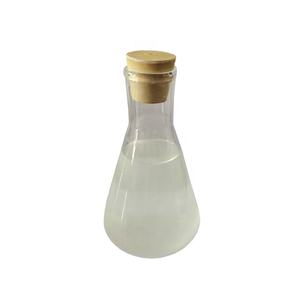
4. Waterproofing Admixtures: Integral Protection
Forget surface sealers—integral waterproofers work from within. Crystalline waterproofing admixtures react with moisture and unhydrated cement particles to form insoluble crystals that block capillaries and micro-cracks.
Other types include hydrophobic pore blockers and cement waterproofing additives that repel water at a molecular level. These are ideal for basements, water tanks, and below-grade structures.
Unlike topical coatings, waterproof admixtures provide permanent, maintenance-free protection. Search for ‘concrete waterproofing additive’ or ‘waterproofing admixture for concrete’ when specifying materials. Note: they’re different from surface-applied water coating products.
5. Set Modifiers: Accelerators vs. Retarders
Timing matters in concrete placement. Accelerating admixtures for concrete shorten setting time and boost early strength—critical in cold weather or fast-track projects. Calcium chloride is common but can corrode rebar; non-chloride alternatives are safer.
On the flip side, concrete retarder admixtures delay hydration, useful in hot weather or for long hauls. Surface retarder concrete products even allow decorative exposure of aggregates.
Choose based on ambient conditions and schedule needs. For example, ‘concrete accelerator curing time’ reductions can enable same-day form removal, while an ‘admixture retarder’ prevents cold joints in large pours.
6. Fiber Reinforcement: Beyond Steel
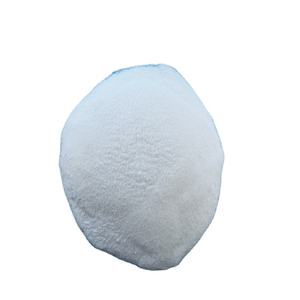
Fibers aren’t traditional chemical admixtures, but they’re vital concrete additives. From polypropylene fibres for crack control to steel fibers for structural toughness, fiber reinforcement enhances ductility and impact resistance.
Macro fibers (like steel or synthetic) carry load; microfibers (like PP or carbon fiber) reduce plastic shrinkage cracks. Coconut fiber reinforced concrete is even emerging as a sustainable option.
Fiber-reinforced concrete is used in everything from industrial floors to fibercement siding. Products like Hardie concrete siding or Certainteed concrete siding rely on fiber for durability and wood-like aesthetics without rot. Note: ‘fiber for concrete mix’ must be properly dispersed—often via fibermesh concrete systems.
7. Specialty Additives: Foaming Agents & Color Systems
Modern admixtures go beyond structure. Foaming agents create lightweight cellular concrete (aircrete) for insulation blocks or void filling. Protein-based or synthetic foaming agents generate stable foam—key for CLC blocks.
For aesthetics, colored concrete uses integral pigments or powder release agents during stamping. Stamped concrete colors range from charcoal to terra cotta, often paired with mold release sprays to prevent sticking.
White cement is another niche but growing segment—used for countertops, white concrete pavers, and bright architectural finishes. It’s often combined with superplasticizer in concrete to maintain flow despite higher paste demand.
8. Conclusion
Choosing the best admixture for concrete isn’t one-size-fits-all. It depends on climate, application, performance goals, and budget. Whether you need a superplasticizer admixture for high-strength columns, an air entraining agent for a driveway, or a crystalline waterproofing admixture for a basement wall, understanding these categories empowers smarter decisions.
Always consult technical data sheets and consider compatibility—some admixtures interact poorly when combined. With the right concrete additives, your mix won’t just set—it’ll excel.
Our Website founded on October 17, 2012, is a high-tech enterprise committed to the research and development, production, processing, sales and technical services of ceramic relative materials such as 7. Our products includes but not limited to Boron Carbide Ceramic Products, Boron Nitride Ceramic Products, Silicon Carbide Ceramic Products, Silicon Nitride Ceramic Products, Zirconium Dioxide Ceramic Products, etc. If you are interested, please feel free to contact us.