Concrete4U | Concrete Admixtures, Tools, and Production Machines

What Are the Best Admixtures for Modern Concrete Projects?
1. Introduction
Just 24 hours ago, a major infrastructure project in Texas announced it would use advanced polycarboxylate-based superplasticizers to achieve ultra-high-strength, self-consolidating concrete for bridge columns—a move highlighting how critical modern admixtures are to today’s construction demands.
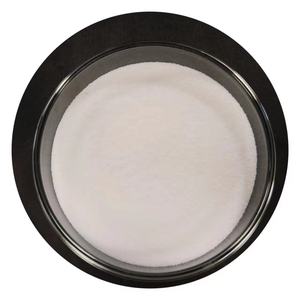
Concrete isn’t just cement, sand, and water anymore. Thanks to chemical and mineral innovations, ‘admixtures’ now play a starring role in shaping performance, durability, and workability. But with dozens of options—from superplasticizers to waterproofing admixtures and fiber reinforcement—how do you pick the right one?
2. Understanding Admixture Types
Admixtures are categorized broadly into chemical and mineral types. Chemical admixtures include water reducers, accelerators, retarders, and air-entraining agents. Mineral admixtures—like fly ash or silica fume—enhance long-term strength and reduce permeability.
The most widely used today fall under ‘concrete chemicals’ designed to solve specific problems: flow issues, cracking, freeze-thaw damage, or slow curing. Let’s break down the heavy hitters.
3. Superplasticizers: The Game-Changer in Flow and Strength
Superplasticizers—also called high-range water reducers—are essential for modern high-performance concrete. They drastically cut water content while maintaining workability, boosting strength and durability.
Two dominant chemistries dominate the market: naphthalene-based (SNF) and polycarboxylate ether (PCE).
- Naphthalene sulfonate superplasticizers offer strong slump retention at lower cost but can cause faster slump loss and aren’t ideal for very low water-cement ratios.
- Polycarboxylate superplasticizers (PCE) provide superior dispersion, longer workability, and compatibility with supplementary cementitious materials. They’re the go-to for precast, SCC (self-consolidating concrete), and high-strength mixes.
When people ask for the ‘best superplasticizer for concrete,’ PCE-based products like those from Chryso admixture lines often win for versatility and eco-efficiency.
4. Air Entraining Admixtures: Frost Fighters
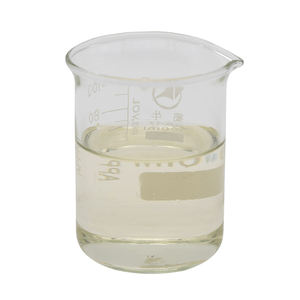
In cold climates, ‘air entraining concrete’ is non-negotiable. These admixtures create microscopic air bubbles that act as pressure relief valves during freeze-thaw cycles.
An ‘air entraining agent’ like vinsol resin or synthetic detergents improves durability without sacrificing too much strength. However, overuse can weaken the mix—precision matters.
Look for terms like ‘air entraining admixture’ or ‘air entraining cement’ on product labels if you’re building driveways, bridges, or sidewalks in northern regions.
5. Waterproofing and Integral Protection
Forget surface sealers—modern projects increasingly rely on ‘integral waterproofer’ admixtures mixed directly into the batch.
Two main types exist:
- Crystalline waterproofing admixture: Reacts with moisture to form insoluble crystals that block capillaries.
- Hydrophobic pore blockers: Repel water using stearates or silanes.
Products marketed as ‘concrete waterproofing additive,’ ‘cement waterproofing additive,’ or ‘waterproof admix’ help create basements, tunnels, and tanks that resist hydrostatic pressure from day one.
6. Time Control: Accelerators vs. Retarders
Need fast turnaround? ‘Accelerating admixtures for concrete’—often based on calcium nitrate or triethanolamine—cut initial set time and boost early strength. Ideal for ‘fast curing concrete additives’ in repair jobs or cold weather pours.
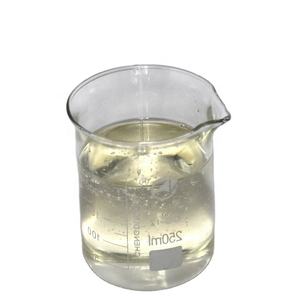
On the flip side, a ‘concrete retarder admixture’ delays hydration, useful in hot climates or for complex placements. ‘Surface retarder concrete’ even allows decorative exposed-aggregate finishes.
Always match the admixture retarder or accelerator to your ambient conditions and schedule.
7. Fiber Reinforcement: Beyond Steel
While not traditional ‘chemical admixtures,’ fibers are now standard ‘concrete additives’ for crack control and impact resistance.
Common options include:
- Polypropylene fibres for concrete: Cheap, effective against plastic shrinkage cracks.
- Steel fibers for concrete: Used in industrial floors and blast-resistant structures.
- Macro fibers and carbon fiber reinforcement in concrete: For high-end applications needing tensile toughness.
Brands like Hardie concrete siding and CertainTeed concrete siding use fiber-reinforced cement boards (‘fibercement siding’) that mimic wood but last decades longer.
Note: ‘Concrete fiber siding cost’ varies, but it’s often justified by low maintenance and fire resistance.
8. Choosing the Best Admixture for Your Project
There’s no universal ‘best admixture for concrete.’ It depends on:
- Environmental exposure (freeze-thaw? seawater?)
- Required strength and finish (polished floors? stamped patterns?)
- Placement method (pumped? precast?)
- Sustainability goals (mineral admixtures reduce CO2)
For example, a colored stamped concrete patio might need a mid-range water reducer, release agent, and polypropylene fiber—but not an accelerator.
9. Conclusion
From ‘superplasticizer in concrete’ enabling skyscrapers to ‘crystalline waterproofing admixture’ protecting underground parking, modern admixtures are indispensable. Understanding ‘admixture types’—and their trade-offs—lets you build smarter, faster, and longer-lasting structures. Always consult technical data sheets and consider real-world performance over price alone.
Our Website founded on October 17, 2012, is a high-tech enterprise committed to the research and development, production, processing, sales and technical services of ceramic relative materials such as What. Our products includes but not limited to Boron Carbide Ceramic Products, Boron Nitride Ceramic Products, Silicon Carbide Ceramic Products, Silicon Nitride Ceramic Products, Zirconium Dioxide Ceramic Products, etc. If you are interested, please feel free to contact us.