Concrete4U | Concrete Admixtures, Tools, and Production Machines

Unlock High-Performance Concrete: How Advanced Admixtures Revolutionize Fiber-Reinforced Siding
1. Introduction
When you think of concrete, sidewalks and skyscrapers might come to mind—but what about your home’s exterior? Today’s modern concrete siding—often called fibercement siding—is a high-performance cladding material that blends cement, sand, water, and cellulose or synthetic fibers. But what really makes it durable, lightweight, and visually stunning? The secret lies in specialized concrete admixtures.
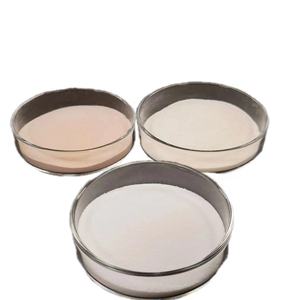
From superplasticizers that improve flow without adding water to crystalline waterproofing admixtures that block moisture penetration, these concrete additives are transforming how builders and homeowners approach exterior design. Let’s dive into how advanced admixture types elevate fiber-reinforced concrete siding from functional to phenomenal.
2. Why Fiber-Reinforced Concrete Siding Needs Specialized Admixtures
Fiber-reinforced concrete used in siding—like HardiePlank or CertainTeed products—must balance strength, flexibility, and aesthetics. Unlike structural concrete, siding panels are thin, large-surface-area elements that require exceptional uniformity, minimal shrinkage, and resistance to warping or cracking over decades of exposure.
Standard concrete mixes simply won’t cut it. That’s where chemical admixtures step in. These carefully engineered concrete chemicals fine-tune everything from mix viscosity to curing time and long-term weather resistance.
2.1. Superplasticizers: Enabling Smooth, Dense Finishes
One of the most critical admixtures in fiber cement siding production is the superplasticizer. Also known as high-range water reducers, superplasticizers like polycarboxylate ether (PCE)-based formulations drastically reduce water content while maintaining excellent workability.
This is crucial because lower water-cement ratios lead to denser, stronger, and less porous panels—ideal for resisting rain, freeze-thaw cycles, and UV degradation. Superplasticizer in concrete also ensures even fiber distribution, preventing clumping of polypropylene or cellulose fibers that could weaken the final product.
- Polycarboxylate superplasticizer improves flow without segregation
- Enables thinner, lighter panels with consistent texture
- Reduces surface defects during extrusion or molding
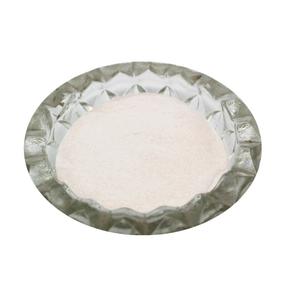
2.2. Waterproofing Admixtures: Keeping Moisture Out for Decades
Concrete siding must repel water—not just on the surface but deep within its matrix. That’s where integral waterproofers and crystalline waterproofing admixtures shine. Unlike topical sealers that wear off, these concrete waterproofing additives react chemically with cement to form insoluble crystals that block capillary pores.
Products like cement waterproofing additive or crystalline waterproofing admixture ensure that even if the painted finish chips, the core remains protected. This is especially vital in humid climates or coastal regions where salt and moisture accelerate deterioration.
Brands like Chryso offer specialized admixture waterproofing solutions tailored for precast applications—including siding—making them a go-to for manufacturers seeking long-term durability.
2.3. Air-Entraining Agents: Boosting Freeze-Thaw Resistance
In colder regions, air entraining concrete is non-negotiable. Air entraining admixtures introduce microscopic air bubbles into the mix, giving water room to expand when it freezes—preventing internal cracking.
For thin siding panels exposed to harsh winters, this tiny network of voids can mean the difference between a 50-year lifespan and premature failure. Air entraining cement formulations are now standard in premium fiber cement products sold across North America and Europe.
2.4. Accelerators and Retarders: Precision Control Over Curing
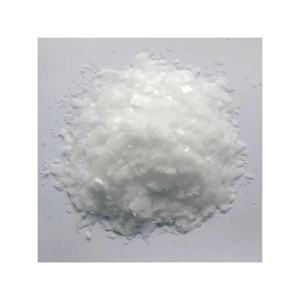
Precast concrete siding is often mass-produced in controlled environments. Here, concrete accelerator and concrete retarder admixtures allow manufacturers to fine-tune setting times.
Fast curing concrete additives help speed up demolding, increasing production throughput. Conversely, a surface retarder concrete or admixture retarder might be used in textured finishes to delay surface set, allowing stamping or brushing before full hardening.
This balance ensures both efficiency and aesthetic quality—whether mimicking cedar shakes or smooth stucco.
3. Real-World Impact: From Factory to Facade
Thanks to these advanced concrete additives, modern concrete siding can convincingly mimic wood grain, stone, or brick—without the maintenance headaches. Home Depot and other retailers now stock concrete siding that looks like wood, thanks in part to colored concrete powders and release agents used alongside optimized admixture systems.
Moreover, the inclusion of reinforcement fiber for concrete—such as polypropylene fibres for concrete or even coconut fiber reinforced concrete in sustainable builds—relies on compatible plasticizer admixtures to maintain homogeneity during mixing and forming.
4. Choosing the Best Admixture for Concrete Siding
Not all admixtures are created equal. The best admixture for concrete siding depends on climate, manufacturing method, and desired finish. For extruded panels, a mid-range water reducer with slight retarding action may suffice. For molded, textured siding, a combination of superplasticizer admixture, air entraining agent, and integral waterproofer delivers optimal results.
Always consult technical data sheets (sometimes called bio data sheets in error) from reputable suppliers to match admixture chemical properties with your specific fiber concrete mix design.
5. Conclusion
Admixtures are the unsung heroes behind today’s high-performance concrete siding. By leveraging superplasticizers, waterproofing admixtures, air-entraining agents, and smart curing controls, manufacturers create durable, beautiful, and low-maintenance exteriors that stand the test of time. Whether you’re building a new home or upgrading an old one, understanding the role of concrete admixture types helps you choose siding that’s not just stylish—but scientifically superior.
Our Website founded on October 17, 2012, is a high-tech enterprise committed to the research and development, production, processing, sales and technical services of ceramic relative materials such as Unlock. Our products includes but not limited to Boron Carbide Ceramic Products, Boron Nitride Ceramic Products, Silicon Carbide Ceramic Products, Silicon Nitride Ceramic Products, Zirconium Dioxide Ceramic Products, etc. If you are interested, please feel free to contact us.