Concrete4U | Concrete Admixtures, Tools, and Production Machines

How Do You Choose and Use the Right Admixtures for Your Concrete Project?
1. Introduction
Just 24 hours ago, a major construction firm in Texas reported significant delays due to unexpected cold weather slowing concrete curing on a high-rise foundation. Their solution? Switching to an accelerating admixture mid-pour—a real-world reminder of how critical the right concrete chemicals can be. Whether you’re a DIYer laying a patio or a contractor managing large-scale pours, understanding admixtures is essential to avoid costly mistakes and ensure long-lasting results.
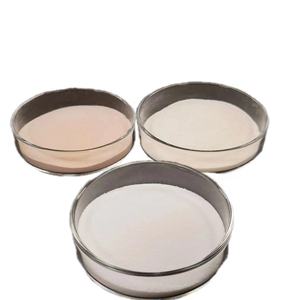
Admixtures—also called concrete additives—are materials added to concrete before or during mixing to modify its properties. From improving flow with superplasticizers to enhancing freeze-thaw resistance with air entraining agents, the right admixture can solve common problems like cracking, slow curing, water leakage, or poor finishability.
2. Understanding Common Admixture Types
Before choosing an admixture, it helps to know what’s available. The American Concrete Institute (ACI) classifies admixtures into chemical and mineral categories. Here are the most widely used types:
- Water reducing admixtures (including superplasticizers): Reduce water content while maintaining workability, boosting strength.
- Concrete accelerator: Speeds up setting and early-strength gain—ideal for cold weather.
- Concrete retarder: Delays setting time, useful in hot climates or for long hauls.
- Air entraining admixture: Creates microscopic air bubbles to improve freeze-thaw durability.
- Waterproofing admixture: Includes integral waterproofer and crystalline waterproofing admixture to block moisture penetration.
- Fiber reinforcement: Adds polypropylene fibres for concrete or steel fibers for concrete to control cracking and boost toughness.
3. Step-by-Step Guide to Selecting the Best Admixture for Concrete
3.1. Identify Your Primary Challenge
Ask yourself: What’s the biggest issue you’re trying to solve? Is it slow curing? Poor flow? Water seepage? For example, if you need fast curing concrete additives for a repair job, a concrete accelerator is your go-to. If you’re pouring in summer heat, a concrete retarder admixture prevents premature setting.
3.2. Match the Admixture to Your Mix Design
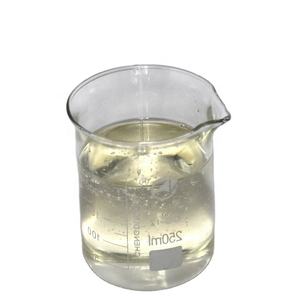
Not all admixtures play well together. Superplasticizer admixture (especially polycarboxylate ether-based types) offers high-range water reduction but may interact poorly with certain retarders. Always check compatibility charts from manufacturers like Chryso admixture or Sika.
3.3. Consider Environmental Conditions
For outdoor slabs in cold regions, air entraining concrete is non-negotiable—it prevents spalling during freeze-thaw cycles. Use an air entraining agent at 0.05%–0.2% by cement weight. In humid coastal areas, a concrete waterproof admix or cement waterproofing additive adds essential protection.
4. Practical Application Tips for Key Admixtures
4.1. Using Superplasticizer in Concrete
Superplasticizers (or super plasticizers) like PCE-based products dramatically increase slump without extra water. Add 0.5%–2% by cement weight during mixing. Never add after initial set—it won’t work and may cause segregation. For best results, use mid-range or high-range water reducer types depending on required flow.
4.2. Applying Waterproofing Admixture for Concrete
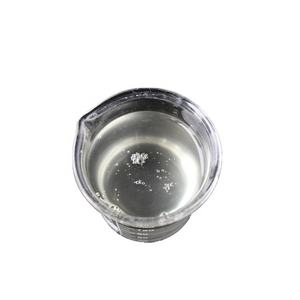
Integral waterproofers chemically react with cement to block capillaries. Crystalline waterproofing admixture forms insoluble crystals that self-seal micro-cracks. Dosage typically ranges from 1%–3% of cement weight. Mix thoroughly—uneven distribution leads to weak spots.
4.3. Adding Fibers for Concrete Mix
Fibers for concrete—like polypropylene fibre or macro fibers—should be added during batching. Use 0.6–1.0 kg/m³ for crack control in slabs. Avoid clumping by pre-blending with aggregates. Note: fiber reinforced concrete doesn’t replace rebar but complements it.
4.4. Working with Accelerators and Retarders
Concrete accelerator curing time can be cut by 50% in cold weather, but overuse causes flash setting. Conversely, surface retarder concrete is great for exposed-aggregate finishes—spray it on fresh concrete, then wash off later to reveal stones.
5. Troubleshooting Common Problems
Problem: Concrete is too stiff despite adding water.
Solution: Replace extra water with a concrete water reducer or plasticizer for concrete. This maintains w/c ratio and strength.
Problem: Blisters or scaling on finished slab.
Solution: Likely insufficient air entraining. Next batch, include an air entraining cement admixture.
Problem: Efflorescence or damp patches on walls.
Solution: Use a waterproof admix or crystalline waterproofing admixture next time—surface sealers alone often fail long-term.
6. Conclusion
Choosing the right admixture isn’t guesswork—it’s about matching chemistry to your project’s demands. Whether you need a superplasticizer for high-strength columns, an air entraining admixture for driveways, or polypropylene fibres for concrete floors, understanding admixture types and proper dosing makes all the difference. Always follow manufacturer guidelines, test small batches first, and never compromise on mixing procedures. With the right concrete additives, your pour will be stronger, smoother, and built to last.
Our Website founded on October 17, 2012, is a high-tech enterprise committed to the research and development, production, processing, sales and technical services of ceramic relative materials such as How. Our products includes but not limited to Boron Carbide Ceramic Products, Boron Nitride Ceramic Products, Silicon Carbide Ceramic Products, Silicon Nitride Ceramic Products, Zirconium Dioxide Ceramic Products, etc. If you are interested, please feel free to contact us.