Concrete4U | Concrete Admixtures, Tools, and Production Machines

What Are the Best Admixtures for Modern Concrete Projects?
1. Introduction
Just 24 hours ago, global construction giant LafargeHolcim announced a strategic shift toward low-carbon concrete formulations—highlighting increased use of advanced admixtures like polycarboxylate ether (PCE) superplasticizers and crystalline waterproofing admixtures to enhance sustainability without sacrificing strength. This move underscores a broader industry trend: modern concrete isn’t just cement, water, and aggregate—it’s a high-performance composite engineered with precision through chemical and mineral admixtures.
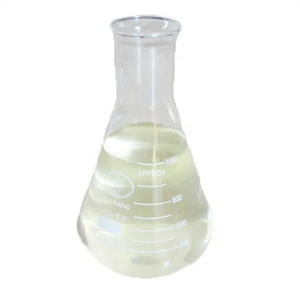
Whether you’re pouring a driveway, building a high-rise, or installing fiber cement siding, understanding admixtures is essential. These concrete additives fine-tune workability, durability, curing time, and aesthetics. But with dozens of options—from water reducers to foaming agents—how do you pick the right one?
2. Superplasticizers: The Game-Changer in Concrete Flow
Superplasticizers (also called high-range water reducers) are among the most impactful concrete chemicals today. They dramatically increase slump without adding water, enabling self-consolidating concrete and ultra-high-strength mixes.
Two dominant types dominate the market: naphthalene-based superplasticizers and polycarboxylate ether (PCE) superplasticizers.
- Naphthalene sulfonate formaldehyde (SNF) superplasticizers have been used for decades. They’re cost-effective and reliable but offer limited slump retention and can cause faster slump loss.
- Polycarboxylate ether (PCE) superplasticizers represent the next generation. They provide superior flow, longer workability, lower dosage requirements, and better compatibility with supplementary cementitious materials like fly ash or slag.
For projects requiring extended placement time or high early strength—like precast elements or fast-track infrastructure—PCE-based superplasticizer admixture is increasingly the best admixture for concrete. Brands like Chryso admixture now lead with PCE formulations due to their eco-efficiency and performance.
3. Time Control: Accelerators vs. Retarders
Concrete accelerator and concrete retarder admixtures let you manipulate curing time based on weather, logistics, or design needs.
Accelerating admixtures for concrete—often calcium nitrate or chloride-free blends—reduce setting time and boost early strength. They’re vital in cold weather or when using fast curing concrete additives for rapid formwork removal.
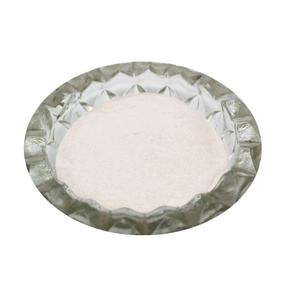
On the flip side, concrete retarder admixtures (like sugar-based or lignosulfonate compounds) delay hydration. Surface retarder concrete products are especially useful for exposed-aggregate finishes, where the top layer must stay soft while the bulk sets.
Choosing between them depends on ambient temperature, transport distance, and structural requirements. Misuse can lead to cracking or weak zones—so always follow manufacturer guidelines.
4. Durability Boosters: Air Entraining and Waterproofing
Air entraining concrete admixtures introduce microscopic air bubbles that improve freeze-thaw resistance. An air entraining agent is critical in cold climates; without it, water expansion during freezing can spall concrete surfaces.
Meanwhile, waterproofing admixture options are evolving rapidly. Traditional integral waterproofer products create hydrophobic barriers, but crystalline waterproofing admixture is gaining traction. These react with moisture and unhydrated cement to form insoluble crystals that block capillaries permanently—ideal for basements, tunnels, and water tanks.
Note: A concrete waterproof admix isn’t the same as a surface sealer. Admixture waterproofing works from within, offering long-term protection without maintenance.
5. Fiber Reinforcement: Beyond Steel Rebar
Fibers for concrete—polypropylene, steel, or even coconut fiber—are now standard in many mixes. Fiber reinforced concrete improves crack resistance, impact strength, and ductility.
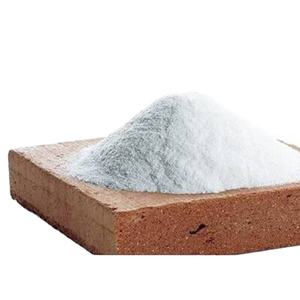
Polypropylene fibres for concrete (PP fiber concrete) are popular in slabs and pavements to control plastic shrinkage cracks. Steel fibers for concrete deliver structural reinforcement, often replacing mesh in industrial floors.
In residential builds, fiber cement siding (like Hardie or CertainTeed concrete siding) leverages fiber reinforcement for lightweight, wood-like aesthetics with fire and pest resistance. Concrete siding cost varies, but its longevity offsets initial expense.
Emerging options include carbon fiber reinforced concrete for ultra-high-performance applications—though still niche due to cost.
6. Specialty Additives: From Color to Foam
Modern concrete goes beyond function. Colored concrete powders and stamp release agents enable stamped and colored concrete driveways in shades like charcoal, terra cotta, or white—matching any architectural style.
Foaming agents for foam concrete (e.g., protein-based or synthetic CLC foaming agents) create lightweight cellular concrete for insulation blocks or void filling. The best foaming agent for aircrete balances stability, bubble size, and cost.
Even white cement—used in countertops or decorative panels—relies on compatible superplasticizer in concrete to maintain fluidity without yellowing.
7. Conclusion
The best admixture for concrete depends entirely on your project’s demands. Need flow? Go PCE superplasticizer. Building in Alaska? Prioritize air entraining admixture. Pouring a decorative patio? Combine color powder with a quality release agent. With innovations accelerating—from crystalline waterproofing to bio-based retarders—the future of concrete is smarter, greener, and more versatile than ever.
Our Website founded on October 17, 2012, is a high-tech enterprise committed to the research and development, production, processing, sales and technical services of ceramic relative materials such as What. Our products includes but not limited to Boron Carbide Ceramic Products, Boron Nitride Ceramic Products, Silicon Carbide Ceramic Products, Silicon Nitride Ceramic Products, Zirconium Dioxide Ceramic Products, etc. If you are interested, please feel free to contact us.