Concrete4U | Concrete Admixtures, Tools, and Production Machines

What Are Admixtures and How Do They Transform Modern Concrete?
1. Introduction
Just 24 hours ago, the global construction chemicals market saw a major announcement: leading manufacturer Chryso unveiled a new generation of eco-friendly superplasticizer admixture designed to cut carbon emissions by up to 30% while boosting early-strength development in concrete. This innovation underscores a growing trend—admixtures are no longer just performance enhancers; they’re pivotal tools in sustainable building. But what exactly are admixtures, and why do they matter so much in modern construction?
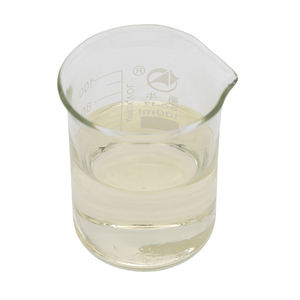
In simple terms, admixtures are ingredients added to concrete—beyond the basic mix of cement, water, aggregates, and reinforcement—to modify its properties during mixing, placing, or hardening. Whether you’re pouring a driveway, constructing a high-rise, or installing fiber cement siding on a home, admixtures play a silent but critical role in ensuring quality, efficiency, and longevity.
2. What Are Concrete Admixtures?
Admixtures, often called concrete additives or concrete chemicals, are categorized into two main groups: chemical and mineral. Chemical admixtures include liquids or powders like superplasticizers, accelerators, and retarders, while mineral admixtures consist of finely ground materials like fly ash or silica fume that improve long-term performance. The best admixture for concrete depends entirely on the project’s needs—climate, structural demands, finish requirements, and even aesthetic goals like colored stamped concrete.
3. Common Types of Admixtures and Their Uses
Among the most widely used are water reducing admixtures, which decrease the water content needed for a given slump, thereby increasing strength without sacrificing workability. Superplasticizers—also known as high-range water reducers—are a powerful subset. Made from polycarboxylate ether (PCE) or naphthalene sulfonate, superplasticizer in concrete can reduce water by 30% or more, enabling self-consolidating or ultra-high-performance mixes. Brands like Chryso offer advanced PCE-based superplasticizers that deliver superior flow with minimal dosage.
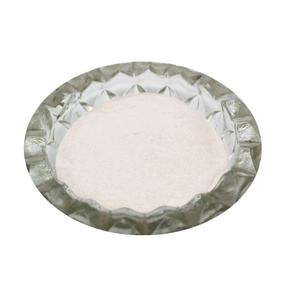
Concrete accelerator admixtures speed up curing time, especially useful in cold weather or when fast formwork removal is needed. Conversely, a concrete retarder admixture delays setting—ideal for hot climates or large pours where extended workability is crucial. Surface retarder concrete products even allow decorative finishes by selectively delaying the surface set for exposed aggregate effects.
Air entraining admixture introduces microscopic air bubbles into the mix, improving freeze-thaw resistance—a must for infrastructure in northern climates. These air entraining agents create durable, resilient concrete that won’t crack under winter stress. Similarly, integral waterproofer and crystalline waterproofing admixture types provide internal moisture barriers, making them essential for basements, tunnels, and water tanks. Waterproofing admixture for concrete works chemically within the matrix, unlike topical sealers.
4. Fiber Reinforcement and Specialty Additives
Beyond traditional chemicals, fibers have become indispensable. Fibers for concrete—including polypropylene fibres for concrete, steel fibers for concrete, and even coconut fiber reinforced concrete—enhance tensile strength, reduce cracking, and improve impact resistance. Fiber reinforced concrete is now standard in industrial floors, shotcrete, and even residential applications like concrete fiber siding. Products such as Hardie concrete siding or CertainTeed concrete siding use fiber cement composites that mimic wood grain while offering fire and pest resistance. Modern concrete siding that looks like wood has surged in popularity due to its durability and low maintenance—plus, it’s available at retailers like Home Depot.
Macro fibers and microfibers serve different roles: macro fibers control crack width post-cracking, while microfibers (like concrete microfiber) minimize plastic shrinkage cracks during curing. Carbon fiber reinforcement in concrete remains niche but promising for high-strength retrofitting.
5. Aesthetic and Functional Enhancements
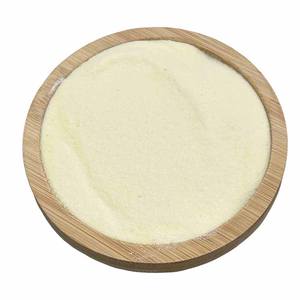
For decorative projects, colored concrete relies on pigments and release agents. Stamped concrete colors—from charcoal to terra cotta—are achieved using colored concrete powder and mold release agents like Brickform liquid release. Proper use of concrete stamp release agent ensures clean pattern transfer without surface blemishes. Meanwhile, white cement enables bright countertops, pavers, and architectural elements, often paired with superplasticizer to maintain fluidity in intricate molds.
Foaming agents add another dimension: protein-based or synthetic foaming agents for foam concrete create lightweight cellular concrete (aircrete) used in insulation blocks and CLC (cellular lightweight concrete). The right foaming agent used in concrete affects density, strength, and thermal performance—critical for green building.
6. Choosing the Right Admixture
Selecting an admixture used in concrete isn’t one-size-fits-all. Consider factors like ambient temperature, required strength gain rate, exposure conditions, and finish type. For example, a concrete accelerator curing time of under 4 hours might be perfect for emergency repairs but disastrous for a large foundation pour needing 6+ hours of workability. Similarly, a cement waterproofing additive may be redundant if you’re already using a crystalline waterproof admix.
Always consult technical data sheets (sometimes called bio data sheets in error) and follow dosage guidelines. Overuse of plasticizer for concrete can cause segregation, while too much air entraining may weaken the mix. Reputable suppliers provide detailed guidance on superplasticizer admixture compatibility with local cements.
7. Conclusion
From superplasticizers that enable skyscrapers to rise faster, to waterproof admix that protects underground structures, to fiber-reinforced concrete siding that beautifies homes—admixtures are the unsung heroes of modern construction. As sustainability drives innovation, expect even smarter, greener concrete additives to emerge. Whether you’re a contractor, engineer, or DIY homeowner, understanding admixture types empowers better decisions, stronger builds, and longer-lasting results.
Our Website founded on October 17, 2012, is a high-tech enterprise committed to the research and development, production, processing, sales and technical services of ceramic relative materials such as What. Our products includes but not limited to Boron Carbide Ceramic Products, Boron Nitride Ceramic Products, Silicon Carbide Ceramic Products, Silicon Nitride Ceramic Products, Zirconium Dioxide Ceramic Products, etc. If you are interested, please feel free to contact us.