Concrete4U | Concrete Admixtures, Tools, and Production Machines

How to Choose and Use Concrete Admixtures Like a Pro (Without Turning Your Slab into Soup)
1. Introduction
Just 24 hours ago, a viral TikTok video showed a DIYer pouring what looked like pancake batter onto their backyard patio—only to watch it slump into a sad, gray puddle within minutes. The culprit? A wild guess at ‘some liquid from the hardware store’ labeled ‘concrete stuff.’ Spoiler: it was a superplasticizer used at triple the recommended dose. Don’t be that guy. Whether you’re pouring a driveway or crafting artisanal countertops, understanding admixtures is the secret sauce to strong, workable, and long-lasting concrete.
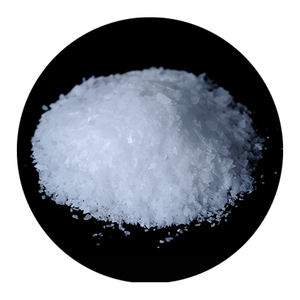
Concrete admixtures aren’t magic potions—but they might as well be. These chemical additives tweak everything from setting time to freeze-thaw resistance. Get them right, and your slab sings. Get them wrong, and you’re scheduling a very expensive do-over. Let’s fix that.
2. Know Your Admixture Types (Yes, There Are Dozens)
Not all admixtures are created equal. In fact, the ASTM C494 standard alone defines eight main categories. Here’s the cheat sheet:
- Water-reducing admixtures (like mid-range water reducers) cut mixing water by 5–10% without losing workability.
- Superplasticizers (also called high-range water reducers or polycarboxylate ether/PCE-based superplasticizers) can slash water content by up to 30%, giving you flowable yet strong concrete.
- Concrete accelerators speed up curing—perfect for cold-weather pours.
- Concrete retarders delay setting, ideal for hot days or complex placements.
- Air-entraining admixtures create microscopic bubbles that boost freeze-thaw resistance (critical in snowy climates).
- Waterproofing admixtures—including integral waterproofers and crystalline types—block moisture from within.
- Fiber reinforcements (polypropylene, steel, or even coconut fiber) reduce cracking and improve toughness.
3. Step-by-Step: How to Pick the Right Admixture for Your Project
3.1. Diagnose Your Problem First
Ask yourself: What’s the biggest headache? Is your mix too stiff? Setting too fast? Leaking like a sieve? Match the symptom to the solution:
- Too thick? Try a plasticizer for concrete or superplasticizer admixture.
- Pouring in winter? Use accelerating admixtures for concrete to beat the frost.
- Worried about cracks? Add polypropylene fibres for concrete or steel fibers for concrete.
- Need waterproofing? Go for a concrete waterproofing additive like a crystalline waterproofing admixture.
3.2. Check Compatibility and Dosage
Never eyeball it. Every admixture chemical comes with a bio data sheet (yes, concrete has bios now). Follow manufacturer guidelines—especially for superplasticizer in concrete, where overdosing causes segregation. As a rule: start low (e.g., 0.5–1.0% by cement weight for PCE superplasticizers) and test.
Pro tip: Some admixtures don’t play nice together. For example, certain air-entraining agents lose effectiveness when mixed with some superplasticizers. When in doubt, run a small trial batch.
4. Common Pitfalls and How to Avoid Them
4.1. The ‘More Is Better’ Myth
Adding extra superplasticizer won’t make your concrete ‘extra awesome’—it’ll make it bleed and segregate. Same goes for concrete accelerator: too much can cause flash set or reduce long-term strength.
4.2. Ignoring Temperature
Hot weather? Your concrete retarder admixture might need a boost. Cold snap? Your concrete accelerator curing time could double. Adjust doses based on ambient conditions.
4.3. Forgetting Fibers Aren’t Just for Show
Fibers for concrete (like macro fibers or pp fiber concrete) must be evenly dispersed. Dump them in dry before water, and mix for at least 5 minutes. Clumped fibers = weak spots.
5. Bonus: Specialty Admixtures You Might Actually Need
5.1. Foaming Agents for Lightweight Concrete
Building insulation blocks or decorative panels? A protein-based foaming agent or synthetic foaming agent for concrete creates stable air cells for CLC (cellular lightweight concrete). Just don’t confuse it with air-entraining admixture—they serve totally different purposes.
5.2. Release Agents for Stamped Concrete
Planning stamped and colored concrete? Use a water-based release agent or powder release agent to prevent sticking—and add color! Charcoal, terra cotta, or brown stamped concrete gets its hue partly from tinted release powders.
5.3. White Cement & Aesthetic Touches
For white concrete countertops or modern concrete siding, white Portland cement is your base. Pair it with colored concrete powder or concrete stain powder for custom finishes. And yes, you can get concrete siding that looks like wood—thanks to fibercement siding tech from brands like Hardie or Certainteed.
6. Final Checklist Before You Pour
- Confirm admixture type matches your goal (e.g., superplasticizer for flow, integral waterproofer for basements).
- Measure precisely—use scales, not bottle caps.
- Mix thoroughly: 2–3 minutes after adding liquid admixtures; 5+ minutes for fibers.
- Monitor slump and setting time during the pour.
- Keep safety data sheets handy (those concrete chemicals can be harsh).
7. Conclusion
Concrete admixtures are powerful allies—but only if you treat them with respect (and a measuring cup). Whether you’re battling heat, cold, cracks, or leaks, there’s an admixture designed for your exact headache. So skip the guesswork, follow the steps, and pour with confidence. Your future self—and your driveway—will thank you.
Our Website founded on October 17, 2012, is a high-tech enterprise committed to the research and development, production, processing, sales and technical services of ceramic relative materials such as How. Our products includes but not limited to Boron Carbide Ceramic Products, Boron Nitride Ceramic Products, Silicon Carbide Ceramic Products, Silicon Nitride Ceramic Products, Zirconium Dioxide Ceramic Products, etc. If you are interested, please feel free to contact us.