Concrete4U | Concrete Admixtures, Tools, and Production Machines

Superplasticizers vs. Traditional Water Reducers: Which Concrete Admixture Delivers Better Performance?
1. Introduction
Just 24 hours ago, a major infrastructure project in Texas announced it would exclusively use polycarboxylate ether (PCE)-based superplasticizers for all high-strength concrete pours—a move signaling a broader industry shift away from older naphthalene-based systems. This decision highlights a growing trend: engineers and contractors are prioritizing sustainability, workability, and long-term durability over legacy admixture types.
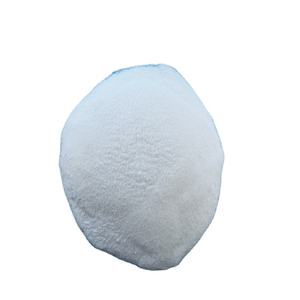
Concrete admixtures—often called concrete additives—are essential for tailoring concrete performance to specific needs. Among the most critical are water reducing admixtures, especially superplasticizers. But not all superplasticizers are created equal. Understanding the differences between naphthalene sulfonate and polycarboxylate ether formulations can make or break a project’s success.
2. What Are Concrete Admixtures?
Admixtures are chemical or mineral additives mixed into concrete to modify its properties. From accelerating curing time to improving freeze-thaw resistance, admixture types serve diverse roles. Common categories include concrete accelerators, concrete retarders, air entraining admixtures, waterproofing admixtures, and—most relevant here—superplasticizers.
The term ‘admixtures’ (sometimes misspelled as ‘ad mixtures’) covers everything from simple plasticizer for concrete to advanced crystalline waterproofing admixture systems. Choosing the right admixture used in concrete depends on environmental conditions, structural demands, and desired finish.
3. Water Reducing Admixtures: The Core of Modern Concrete
Water reducers lower the water-cement ratio without sacrificing workability. This improves strength, durability, and impermeability. They fall into three classes: normal, mid-range, and high-range water reducers—also known as superplasticizers.
Superplasticizers (or super plasticizers) are high-range water reducing admixtures that can reduce water content by 15–40%. This makes them indispensable for producing self-consolidating concrete, high-strength mixes, and applications requiring extended flow without segregation.
4. Naphthalene-Based Superplasticizers: The Legacy Option
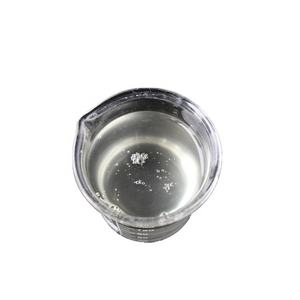
Naphthalene sulfonate formaldehyde condensate (SNF) has been a go-to superplasticizer admixture since the 1970s. It’s cost-effective and widely available, often sold under brands like Chryso admixture lines.
- Offers good initial slump retention
- Compatible with most cement types
- Lower cost compared to PCE alternatives
However, naphthalene-based superplasticizers have drawbacks. They provide limited slump retention beyond 30–60 minutes, require higher dosages, and can cause rapid slump loss in hot weather. They’re also less eco-friendly due to formaldehyde content and are incompatible with some modern cements.
5. Polycarboxylate Ether (PCE) Superplasticizers: The Modern Standard
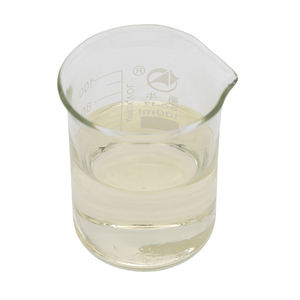
PCE-based superplasticizers represent the latest evolution in concrete chemicals. These synthetic polymers offer superior performance through steric hindrance rather than electrostatic repulsion—leading to more stable, long-lasting dispersion of cement particles.
Key advantages of polycarboxylate superplasticizer include:
- Up to 40% water reduction
- Excellent slump retention for 90+ minutes
- Lower dosage requirements (typically 0.1–0.3% by cement weight)
- Greater compatibility with supplementary cementitious materials like fly ash or slag
PCE superplasticizers also enable the production of ultra-high-performance concrete (UHPC) and are essential in precast and ready-mix operations where consistency is critical. Their molecular structure can be tailored—making them the best superplasticizer for concrete in demanding applications.
6. Performance Comparison: PCE vs. Naphthalene
In side-by-side tests, PCE admixtures consistently outperform naphthalene systems in workability retention, compressive strength gain, and surface finish quality. For example, a mix using polycarboxylate ether superplasticizer achieved 28-day strength 15% higher than an equivalent naphthalene-based mix.
Naphthalene systems may still be suitable for low-specification projects or where cost is the primary driver. But for fast curing concrete additives, high-rise construction, or projects requiring integral waterproofer synergy, PCE is unmatched.
7. Beyond Superplasticizers: Other Critical Admixture Types
While superplasticizers dominate high-performance discussions, other concrete admixture types play vital roles:
- Air entraining admixture: Introduces microscopic air bubbles to improve freeze-thaw resistance (essential in cold climates).
- Concrete retarder admixture: Delays setting time for hot-weather pours or long hauls.
- Waterproofing admixture: Includes crystalline or pore-blocking types like cement waterproofing additive or concrete waterproof admix.
- Fiber reinforcement: Polypropylene fibres for concrete or steel fibers for concrete enhance crack resistance and impact strength—key in fiber reinforced concrete applications.
8. Choosing the Best Admixture for Concrete
The ‘best’ admixture depends on your project’s goals. For high-flow, high-strength applications, PCE-based superplasticizer in concrete is ideal. For budget sidewalks in mild climates, a basic naphthalene water reducer may suffice.
Always consider compatibility with other concrete additives—especially when combining superplasticizer admixture with air entraining agent or surface retarder concrete. Lab trials are recommended before full-scale use.
9. Conclusion
The concrete industry is rapidly evolving, and admixture technology is leading the charge. While naphthalene-based water reducers served well for decades, polycarboxylate ether superplasticizers now offer superior control, sustainability, and performance. Whether you’re pouring a driveway or a skyscraper core, understanding these differences ensures you select the right concrete admixture types for lasting results.
Our Website founded on October 17, 2012, is a high-tech enterprise committed to the research and development, production, processing, sales and technical services of ceramic relative materials such as Superplasticizers. Our products includes but not limited to Boron Carbide Ceramic Products, Boron Nitride Ceramic Products, Silicon Carbide Ceramic Products, Silicon Nitride Ceramic Products, Zirconium Dioxide Ceramic Products, etc. If you are interested, please feel free to contact us.