Concrete4U | Concrete Admixtures, Tools, and Production Machines

How to Choose and Use the Best Concrete Admixtures for Every Project
1. Introduction
In the past 48 hours, a major infrastructure project in Texas reported significant delays due to premature concrete setting caused by incorrect admixture selection under high summer temperatures. This incident underscores the critical importance of understanding concrete admixtures—not just as optional additives, but as essential tools that dictate strength, curing time, and longevity.
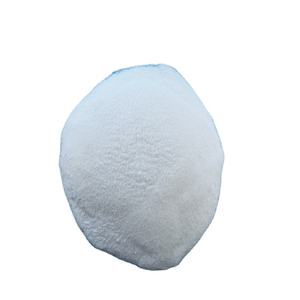
Concrete admixtures are chemical or mineral ingredients added to concrete mixes to modify their properties. Whether you’re pouring a driveway, constructing a high-rise, or installing decorative stamped concrete, choosing the right admixture can mean the difference between success and costly rework.
2. Understanding Admixture Types
Admixtures fall into two broad categories: chemical and mineral. Chemical admixtures include superplasticizers, accelerators, retarders, and air-entraining agents. Mineral admixtures—like fly ash or silica fume—enhance long-term strength and durability.
Common admixture types used in concrete include:
- Water reducing admixtures (e.g., superplasticizer, mid-range water reducer)
- Accelerating admixtures for concrete (to shorten curing time)
- Concrete retarder admixture (to delay setting in hot weather)
- Air entraining admixture (for freeze-thaw resistance)
- Waterproofing admixture (including crystalline and integral types)
- Fiber reinforcement (polypropylene, steel, or synthetic fibers)
3. Selecting the Right Admixture for Your Project
The best admixture for concrete depends on environmental conditions, structural requirements, and desired finish. For example, if you’re working in cold climates, an accelerating admixture can help achieve early strength. In contrast, a concrete retarder is ideal for large pours in summer heat.
For high-strength, low-permeability applications like basements or water tanks, consider a crystalline waterproofing admixture or integral waterproofer. These penetrate the concrete matrix to block moisture permanently.
When placing decorative stamped concrete, use a surface retarder concrete product to keep the top layer workable while the base sets—allowing for clean pattern impressions.
4. How to Properly Use Superplasticizers
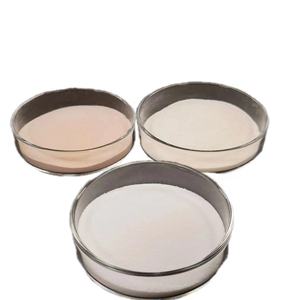
Superplasticizers—also called high-range water reducers—are among the most widely used concrete chemicals. They dramatically increase workability without adding extra water, which preserves strength.
To use superplasticizer in concrete effectively:
- Add the superplasticizer admixture during mixing, typically at 0.5% to 2% by weight of cement.
- Avoid over-dosing; excessive amounts can cause segregation or rapid slump loss.
- Polycarboxylate ether (PCE)-based superplasticizers offer superior performance and compatibility with modern cements compared to older naphthalene or melamine types.
Always follow manufacturer guidelines for dosage and timing. Products like Chryso admixture or other branded superplasticizers often include technical data sheets for precise application.
5. Solving Common Problems with Admixtures
Problem: Concrete sets too fast in hot weather.
Solution: Use a concrete retarder admixture or a surface retarder concrete product. These slow hydration without compromising final strength.
Problem: Cracking in slabs or walls.
Solution: Incorporate polypropylene fibres for concrete or steel fibers for concrete to control plastic shrinkage. Fiber reinforced concrete significantly reduces microcracking.
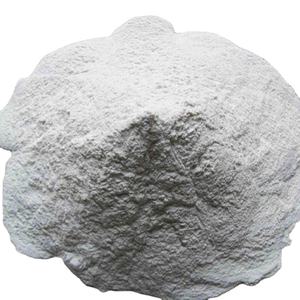
Problem: Water leakage through foundations.
Solution: Apply a waterproofing admixture for concrete such as a cement waterproofing additive or crystalline waterproofing admixture. These create a self-sealing barrier within the concrete itself.
Problem: Poor workability in lean mixes.
Solution: Use a concrete water reducer or plasticizer for concrete. Even mid-range water reducers improve flow and finishability.
6. Specialized Applications: Foaming Agents and Colored Concrete
For lightweight cellular concrete (e.g., CLC blocks), a protein-based foaming agent or synthetic foaming agent for concrete is essential. The foaming agent used in foam concrete must produce stable, uniform bubbles to ensure consistent density.
When creating colored stamped concrete, combine tinted concrete with a quality concrete release agent—either powder or spray—to prevent sticking and add secondary color. Popular choices include charcoal, terra cotta, or brown stamped concrete finishes.
Always test color and release combinations on a small batch first. Use white cement for brighter hues or when matching countertops and architectural features.
7. Best Practices for Safe and Effective Use
- Never mix different admixture types without verifying compatibility.
- Store admixtures in cool, dry conditions away from direct sunlight.
- Calibrate dosing equipment regularly—especially for liquid superplasticizers or accelerators.
- Consult the bio data sheet or technical documentation provided by the manufacturer.
- When in doubt, conduct a trial batch before full-scale placement.
8. Conclusion
Choosing and using the right admixture used in concrete isn’t just about following a recipe—it’s about engineering performance. From superplasticizer admixture for fluidity to air entraining agents for durability, each concrete additive serves a precise purpose. By understanding admixture types, dosages, and interactions, you can avoid common pitfalls and deliver structures that are stronger, longer-lasting, and more cost-effective. Whether you’re sourcing from Home Depot or a specialty supplier, always prioritize quality, compatibility, and proper application.
Our Website founded on October 17, 2012, is a high-tech enterprise committed to the research and development, production, processing, sales and technical services of ceramic relative materials such as How. Our products includes but not limited to Boron Carbide Ceramic Products, Boron Nitride Ceramic Products, Silicon Carbide Ceramic Products, Silicon Nitride Ceramic Products, Zirconium Dioxide Ceramic Products, etc. If you are interested, please feel free to contact us.