Concrete4U | Concrete Admixtures, Tools, and Production Machines

10 Essential Types of Admixtures Every Concrete Pro Should Know in 2024
1. Introduction
Just 48 hours ago, the Global Cement and Concrete Association (GCCA) announced a major push toward low-carbon concrete formulations, spotlighting advanced admixtures as key enablers of sustainability and performance. As the construction industry races to meet net-zero goals, understanding admixtures has never been more critical—not just for engineers, but for contractors, DIYers, and architects alike.
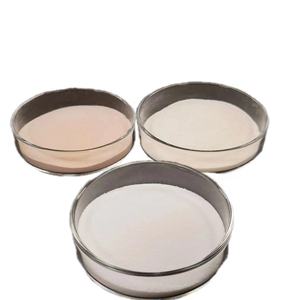
Admixtures are materials added to concrete before or during mixing to modify its properties. Whether you’re pouring a driveway, building a skyscraper, or crafting decorative stamped concrete, the right admixture can make all the difference in strength, setting time, finish, and longevity.
2. What Are Admixtures?
Admixtures—sometimes spelled ‘ad mixtures’—are chemical or mineral additives incorporated into concrete mixes to enhance specific characteristics. They’re used in nearly every modern concrete application, from sidewalks to dams. These concrete additives fall into two broad categories: chemical admixtures and mineral admixtures.
- Chemical admixtures include superplasticizers, accelerators, retarders, and air-entraining agents.
- Mineral admixtures like fly ash or silica fume improve long-term strength and reduce permeability.
3. Key Admixture Types and Their Uses
3.1 Water-Reducing Admixtures
Water reducing admixtures, also called concrete water reducers, decrease the water content needed for a given slump, boosting strength without sacrificing workability. High-range water reducers (HRWRs)—commonly known as superplasticizers—are especially powerful. Superplasticizer in concrete can cut water by up to 40%, enabling high-strength, self-consolidating mixes.
Polycarboxylate ether (PCE)-based superplasticizers are now the gold standard due to their efficiency and compatibility with modern cements. Brands like Chryso admixture offer PCE superplasticizer formulations that outperform older naphthalene or melamine-based versions.
3.2 Accelerating and Retarding Admixtures
Concrete accelerator admixtures speed up curing time—ideal for cold-weather pours or fast-track projects. Conversely, concrete retarder admixtures delay setting, useful in hot climates or for complex placements. Surface retarder concrete products even allow for exposed-aggregate finishes by slowing the top layer’s cure.
Fast curing concrete additives often combine accelerators with other chemicals to optimize early strength gain while maintaining durability.
3.3 Air-Entraining Admixtures
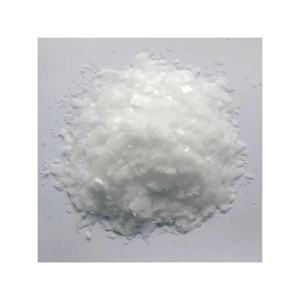
Air entraining concrete contains microscopic air bubbles created by air entraining admixtures (or air entraining agents). These bubbles improve freeze-thaw resistance and increase workability. Especially vital in northern climates, air entraining cement helps prevent cracking and spalling over time.
3.4 Waterproofing Admixtures
From basements to rooftops, waterproofing is non-negotiable. Integral waterproofer and crystalline waterproofing admixture types react within the concrete matrix to block moisture penetration. Concrete waterproofing additive options include cement waterproofing additive formulas that bond permanently with the mix—unlike surface sealers that wear off.
Waterproof admix solutions like crystalline admixtures are gaining traction for their ability to self-seal hairline cracks over time.
3.5 Plasticizers and Superplasticizers
Often confused, plasticizer for concrete (or concrete plasticiser) improves workability at normal doses, while super plasticizers deliver dramatic fluidity with minimal water. Superplasticizer admixture is essential for pumped concrete, thin-section walls, and intricate precast elements.
The best admixture for concrete in high-flow applications is typically a PCE-based superplasticizer, prized for its slump retention and low dosage requirements.
4. Fiber Reinforcement: Beyond Traditional Admixtures
While not classic ‘chemical’ admixtures, fibers are increasingly treated as integral concrete additives. Fiber reinforced concrete uses materials like polypropylene fibres for concrete, steel fibers for concrete, or even coconut fiber reinforced concrete to control cracking and boost impact resistance.
Macro fibers and microfibers serve different roles: macro fibers provide structural reinforcement (used in industrial floors), while microfibers reduce plastic shrinkage. Products like Fibermesh concrete blend these seamlessly into the mix.
For homeowners, concrete fiber siding—also marketed as fibercement siding or concrete siding that looks like wood—offers durability and aesthetic appeal. Brands like Hardie concrete siding and CertainTeed concrete siding dominate this space, with concrete siding cost varying by region and finish.
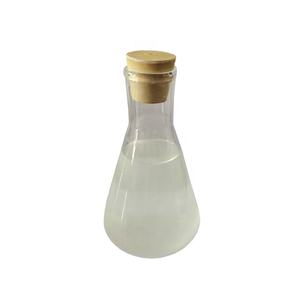
5. Specialty Additives for Aesthetics and Function
Colored concrete relies on pigments and release agents. Stamped concrete colors—from charcoal to terra cotta—are achieved using colored concrete powder and concrete stamp release agents. Powder release agent for concrete prevents molds from sticking while adding accent hues.
White cement is another niche but growing segment, used for white concrete countertops, decorative pavers, and architectural finishes. Its higher cost is offset by unmatched brightness and versatility in tinted applications.
Foaming agents also deserve mention: CLC foaming agent and protein based foaming agent create lightweight cellular concrete for insulation blocks or void filling. The best foaming agent for aircrete balances stability, bubble size, and cost.
6. Choosing the Right Admixture
Selecting the best admixture for concrete depends on climate, application, and performance goals. Always consider compatibility—some superplasticizers interact poorly with certain cements. Review technical data sheets (often called bio data sheets in error) and consult suppliers for admixture chemical recommendations.
For DIYers, Home Depot concrete siding and local suppliers offer user-friendly options, but professional projects demand precise dosing and testing.
7. Conclusion
Admixtures have transformed concrete from a basic building block into a high-performance, customizable material. Whether you need a concrete water reducer for strength, an air entraining admixture for durability, or a crystalline waterproofing admixture for basements, today’s admixture types offer smart solutions for every challenge. As sustainability drives innovation, expect even smarter, greener concrete chemicals to emerge—making now the perfect time to master the basics of admixtures.
Our Website founded on October 17, 2012, is a high-tech enterprise committed to the research and development, production, processing, sales and technical services of ceramic relative materials such as 10. Our products includes but not limited to Boron Carbide Ceramic Products, Boron Nitride Ceramic Products, Silicon Carbide Ceramic Products, Silicon Nitride Ceramic Products, Zirconium Dioxide Ceramic Products, etc. If you are interested, please feel free to contact us.