Concrete4U | Concrete Admixtures, Tools, and Production Machines

7 Essential Types of Concrete Admixtures Every Builder Should Know in 2024
1. Introduction
Just 48 hours ago, global construction giants like LafargeHolcim and Sika announced strategic partnerships to scale eco-friendly concrete admixtures in response to tightening EU carbon regulations—a move that’s already reshaping how builders select chemical additives worldwide. As sustainability and performance converge, understanding the right admixture used in concrete has never been more critical.
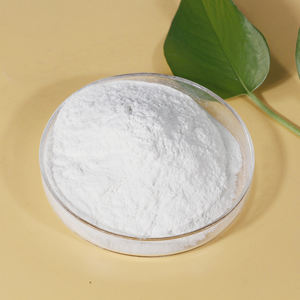
Whether you’re pouring a backyard patio or constructing a high-rise, choosing the best admixture for concrete can mean the difference between cracking under pressure and standing strong for decades. In this deep dive, we’ll break down seven essential admixture types, compare their pros and cons, and help you navigate the crowded market of concrete chemicals—from superplasticizer in concrete to crystalline waterproofing admixture.
2. Superplasticizers: The Game-Changer for Workability
Superplasticizers (also called high-range water reducers) are among the most widely used concrete admixtures today. They dramatically reduce water content while maintaining flowability—ideal for high-strength, low-permeability mixes.
2.1. Polycarboxylate Ether (PCE) vs. Naphthalene-Based Superplasticizers
Polycarboxylate ether superplasticizer (PCE) is the modern gold standard. It offers superior slump retention, lower dosage requirements, and compatibility with supplementary cementitious materials. In contrast, naphthalene-based superplasticizer is cheaper but less efficient, often causing faster slump loss and higher air entrainment.
- PCE superplasticizer delivers up to 40% water reduction with excellent finishability.
- Naphthalene sulfonate in concrete is still common in developing markets due to cost but lacks long-term stability in hot weather.
For projects demanding precision—like precast elements or self-consolidating concrete—polycarboxylate-based superplasticizer is unmatched. That said, melamine-based superplasticizer remains a niche option for early-strength applications.
3. Air Entraining Admixtures: Frost Resistance You Can Count On
Air entraining concrete contains microscopic air bubbles that act as pressure relief valves during freeze-thaw cycles. This is non-negotiable in cold climates.
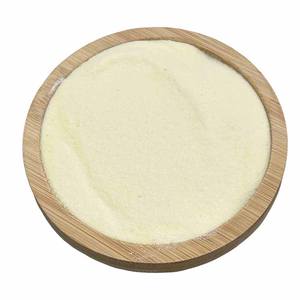
Air entraining admixture works by introducing stable air voids via surfactants like vinsol resin or synthetic detergents. While essential for durability, overuse can reduce compressive strength by 5–10%.
Key tip: Always pair air entraining agent with proper mix design—target 4–7% air content for exterior slabs. Avoid confusing it with foaming agents used in foam concrete; those create macro-pores for lightweight blocks, not durability.
4. Waterproofing Admixtures: Beyond Surface Coatings
Forget topical sealers—integral waterproofers work from within. Crystalline waterproofing admixture reacts with moisture and unhydrated cement to form insoluble crystals that block capillary pores permanently.
Unlike cement waterproofing additive sprays that wear off, admixture waterproofing becomes part of the matrix. Popular options include hydrophobic pore blockers and reactive crystalline systems.
For basements, tunnels, or water tanks, crystalline waterproofing admixture for concrete offers lifelong protection without maintenance. Note: It’s not a substitute for proper drainage—but it’s the closest thing to ‘self-healing’ concrete available today.
5. Set Modifiers: Accelerators vs. Retarders
Timing is everything in concrete work. Accelerating admixtures for concrete (like calcium chloride or non-chloride alternatives) shorten curing time—critical for fast-track jobs or cold-weather pours. They can cut initial set time by 50%, enabling earlier form removal.
On the flip side, concrete retarder admixture delays hydration, useful in hot climates or for complex placements. Surface retarder concrete even allows decorative exposure of aggregates.
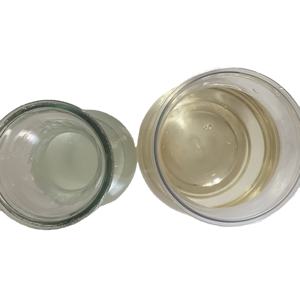
Caution: Chloride-based concrete accelerator curing time boosters risk rebar corrosion—always opt for non-corrosive versions in reinforced structures.
6. Fiber Reinforcement: From Micro to Macro
Fibers for concrete aren’t just filler—they control cracking, improve impact resistance, and replace secondary steel mesh in many applications. Polypropylene fibres for concrete are cheap and effective for plastic-shrinkage control, while steel fibers for concrete add post-crack ductility.
Emerging options like coconut fiber reinforced concrete offer sustainability benefits, though with lower tensile strength. For high-performance needs, carbon fiber reinforcement in concrete delivers exceptional stiffness but at a premium cost.
Home Depot concrete siding and Hardie concrete siding often use fiber reinforced concrete internally—proof that even architectural elements rely on these additives for longevity.
7. Specialty Additives: Foaming Agents, Colorants & Release Agents
Beyond core performance, modern projects demand aesthetics and efficiency. Concrete foaming agent creates lightweight cellular concrete for insulation blocks—protein-based versions yield finer, more stable bubbles than synthetic alternatives.
Colored concrete? Achieved via integral color powders or surface-applied stains. Pair with concrete release agent (powder or spray) to prevent stamp adhesion during patterned pours. Water-based release agents are now preferred for eco-compliance.
And don’t overlook white cement—it’s not just for tiles. Used with superplasticizer, it enables brilliant white concrete countertops and façades with enhanced reflectivity and clean aesthetics.
8. Conclusion
From polycarboxylate superplasticizer to crystalline waterproof admix, today’s concrete additives solve real-world challenges with scientific precision. The best admixture for concrete depends entirely on your environment, timeline, and structural demands. As the industry pivots toward greener, smarter mixes, staying informed on admixture types isn’t optional—it’s essential for building better, faster, and longer-lasting.
Our Website founded on October 17, 2012, is a high-tech enterprise committed to the research and development, production, processing, sales and technical services of ceramic relative materials such as 7. Our products includes but not limited to Boron Carbide Ceramic Products, Boron Nitride Ceramic Products, Silicon Carbide Ceramic Products, Silicon Nitride Ceramic Products, Zirconium Dioxide Ceramic Products, etc. If you are interested, please feel free to contact us.