Concrete-mesa | Concrete Admixtures, Tools, and Production Machines

Master the Mix: Understand Every Type of Concrete Admixture for Stronger, Smarter Builds
1. Introduction
Just 24 hours ago, a major infrastructure project in Texas announced it would use advanced polycarboxylate ether (PCE)-based superplasticizers to reduce water content while maintaining flowability in high-rise foundations—a move expected to cut curing time by 30%. This real-world example highlights how critical admixtures have become in today’s construction landscape. Whether you’re pouring a backyard patio or building a skyscraper, understanding admixtures can make or break your concrete’s performance.
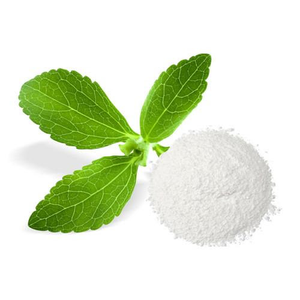
Admixtures—also called concrete additives or chemical admixtures for concrete—are ingredients added to concrete besides cement, water, and aggregates. They modify fresh or hardened properties to meet specific engineering needs. With dozens of options available, from plasticizer for concrete to integral waterproofer systems, knowing which admixture used in concrete delivers the best results is essential.
2. What Are Admixtures and Why Do They Matter?
Admixtures are specialized chemicals or materials blended into concrete mixes to enhance workability, strength, durability, or setting time. Think of them as the ‘secret sauce’ that tailors concrete to your exact requirements. Without them, many modern builds—from earthquake-resistant bridges to sleek white concrete countertops—would be impossible.
The global market now favors high-performance solutions like superplasticizer admixture and crystalline waterproofing admixture, driven by sustainability goals and stricter building codes. These concrete chemicals help reduce cement usage, lower carbon footprints, and extend structure lifespans.
3. Common Types of Concrete Admixture
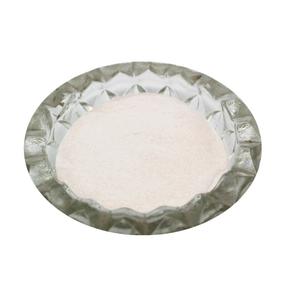
There are two broad categories: chemical and mineral admixtures. Chemical admixtures include liquids or powders that react with cement, while mineral admixtures (like fly ash or silica fume) are finely ground solids that improve long-term strength.
- Water reducing admixtures (including mid-range and high-range water reducers) cut water content without sacrificing workability—key for stronger, less permeable concrete.
- Superplasticizers (or super plasticizers) are high-range water reducers that dramatically increase flow. Polycarboxylate ether (PCE) superplasticizers are now the gold standard due to their efficiency and compatibility.
- Concrete accelerator and accelerating admixtures for concrete speed up early strength gain—ideal for cold weather or fast-track projects needing reduced concrete accelerator curing time.
- Concrete retarder and admixture retarder delay setting, useful in hot climates or for complex pours where extra working time is needed. Surface retarder concrete is often used for exposed aggregate finishes.
- Air entraining admixture introduces microscopic air bubbles, improving freeze-thaw resistance. This air entraining concrete is vital in northern climates.
- Waterproofing admixture types—including integral waterproofer, cement waterproofing additive, and crystalline waterproofing admixture—block moisture penetration from within, unlike surface sealers.
4. Specialized Additives for Modern Builds
Beyond basic performance tweaks, today’s admixtures solve niche challenges. Fiber reinforcement is a standout trend. Fibers for concrete—like polypropylene fibres for concrete, steel fibers for concrete, or even coconut fiber reinforced concrete—add tensile strength and crack control. Products like fibermesh concrete or macro fibers turn ordinary slabs into fiber reinforced concrete capable of withstanding heavy loads.
For aesthetics, colored concrete and stamped concrete colors rely on pigments and release agents. Concrete release agent (often a powder or spray) prevents stamps from sticking while adding subtle color accents like charcoal stamped concrete or terra cotta concrete color.
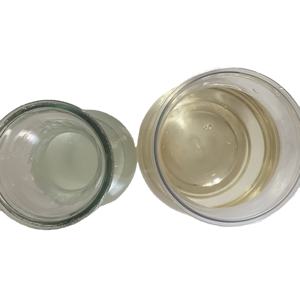
Foaming agents are another innovation. A concrete foaming agent creates lightweight cellular concrete (aircrete) used in CLC blocks. Protein-based or synthetic foaming agent for foam concrete helps achieve precise densities for insulation or void filling.
White cement applications also benefit from admixtures. When making white concrete for countertops or white concrete pavers, superplasticizer in concrete ensures smooth finishes without compromising brightness.
5. Choosing the Best Admixture for Concrete
Selecting the right admixture depends on your project’s environment, timeline, and design goals. For waterproof basements, a waterproof admix like crystalline waterproofing admixture outperforms coatings. In rapid repairs, fast curing concrete additives combined with a concrete accelerator deliver same-day strength.
Brands like Chryso admixture offer tailored solutions, but generic options—such as PCE-based superplasticizer or naphthalene sulfonate in concrete—are widely available at retailers like Home Depot. Always check compatibility; for instance, some superplasticizer admixture types interact poorly with certain cements.
Don’t overlook mortar! An additive for mortar can improve adhesion and flexibility, especially when installing hardie concrete siding or certainteed concrete siding on homes. Modern concrete siding that looks like wood often uses fiberfor concrete mixes with polypropylene fibre to mimic grain texture while resisting rot.
6. Conclusion
From superplasticizer in concrete to fiber reinforcement and integral waterproofing, admixtures empower builders to push boundaries safely and sustainably. As new formulations like carbon fiber reinforced concrete and bio-based foaming agents emerge, staying informed ensures your projects remain durable, efficient, and ahead of the curve. Whether you’re a contractor or DIYer, mastering admixture types is no longer optional—it’s essential.
Our Website founded on October 17, 2012, is a high-tech enterprise committed to the research and development, production, processing, sales and technical services of ceramic relative materials such as Master. Our products includes but not limited to Boron Carbide Ceramic Products, Boron Nitride Ceramic Products, Silicon Carbide Ceramic Products, Silicon Nitride Ceramic Products, Zirconium Dioxide Ceramic Products, etc. If you are interested, please feel free to contact us.