Concrete4U | Concrete Admixtures, Tools, and Production Machines

Admixtures Are Revolutionizing Modern Concrete Construction
1. Introduction
Just 24 hours ago, a major infrastructure project in Texas announced it would use advanced polycarboxylate ether (PCE)-based superplasticizers to accelerate bridge construction while maintaining high-strength standards—a move highlighting how modern admixtures are reshaping the future of concrete. As builders demand faster curing, better workability, and enhanced durability, admixtures have become indispensable tools on job sites worldwide.
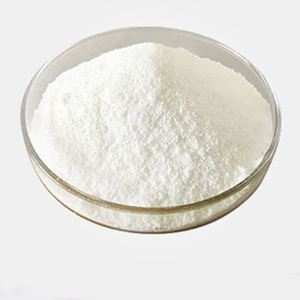
Whether you’re pouring a backyard patio or erecting a skyscraper, understanding admixtures can make or break your concrete’s performance. Let’s dive into what they are, how they work, and why choosing the best admixture for concrete matters.
2. What Are Admixtures?
Admixtures—sometimes spelled ‘ad mixtures’—are materials added to concrete before or during mixing to modify its properties. These concrete additives go beyond basic cement, water, and aggregates to improve everything from setting time to freeze-thaw resistance.
Used correctly, admixtures can reduce water content, speed up or delay curing, add color, increase strength, or even make concrete waterproof. They fall into two broad categories: chemical admixtures and mineral admixtures.
3. Common Types of Concrete Admixtures
Concrete admixture types vary widely based on function. Here are the most widely used categories:
- Water reducing admixtures (including mid-range and high-range water reducers like superplasticizers)
- Accelerating admixtures for concrete (e.g., concrete accelerator to shorten curing time)
- Concrete retarder admixtures (used in hot weather to slow setting)
- Air entraining admixtures (which create microscopic air bubbles for freeze-thaw resistance)
- Waterproofing admixtures (such as integral waterproofer or crystalline waterproofing admixture)
- Fiber reinforcement (like polypropylene fibres for concrete or steel fibers for concrete)
- Foaming agents (for lightweight cellular concrete or CLC blocks)
- Color and release agents (for stamped or colored concrete finishes)
4. Superplasticizers: The Game-Changer
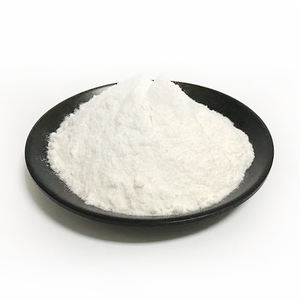
Among all concrete chemicals, superplasticizers stand out. Also called high-range water reducers or plasticizer for concrete, these admixtures drastically cut water content while boosting flowability—without sacrificing strength.
Modern superplasticizer in concrete often uses polycarboxylate ether (PCE), known for its efficiency and compatibility with various cements. Brands like Chryso admixture offer PCE-based superplasticizer admixture solutions that deliver superior slump retention and early strength gain.
Compared to older naphthalene or melamine-based superplasticizers, PCE versions offer better performance at lower dosages—making them the best superplasticizer for concrete in many high-performance applications.
5. Waterproofing and Durability Enhancers
Waterproof admix and cement waterproofing additive options help protect structures from moisture damage. Crystalline waterproofing admixture, for example, reacts with water and unhydrated cement to form insoluble crystals that block capillary pores.
Integral waterproofers work throughout the mix, unlike surface coatings. This makes waterproofing admixture for concrete ideal for basements, tunnels, and water tanks where long-term protection is critical.
6. Fiber Reinforcement: Beyond Steel Rebar
Fibers for concrete—whether polypropylene, steel, or even coconut fiber—add tensile strength and crack resistance. Fiber reinforced concrete is now common in slabs, pavements, and siding.
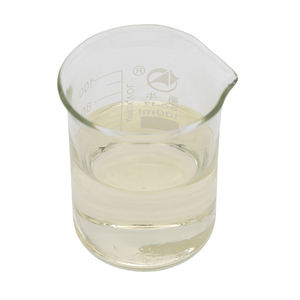
Products like Hardie concrete siding and CertainTeed concrete siding use fiber cement technology (often called fibercement siding) that blends cellulose or synthetic fibers with cement for durable, wood-like exteriors. Concrete fiber siding cost varies, but it offers low maintenance and fire resistance unmatched by traditional wood.
Macro fibers and microfibers both play roles: macro fibers control cracking after initial set, while microfibers reduce plastic shrinkage.
7. Specialized Additives for Aesthetics and Efficiency
Want charcoal stamped concrete or terra cotta concrete color? Colored concrete powders and release agents like Brickform liquid release let contractors stamp intricate patterns with vibrant hues. Powder release agent for concrete ensures molds don’t stick while adding subtle color accents.
For lightweight builds, foaming agents create aircrete or foam concrete. Protein-based or synthetic foaming agent for foam concrete helps produce CLC blocks with excellent insulation properties. The best foaming agent for aircrete balances stability, bubble size, and cost.
White cement—often used in countertops or decorative elements—pairs well with tinted admixtures to achieve clean, bright finishes like white concrete countertops or gray stamped concrete with custom undertones.
8. Choosing the Right Admixture
Selecting the best admixture for concrete depends on climate, application, and desired performance. In cold regions, air entraining concrete with an air entraining agent prevents spalling. In summer pours, a concrete retarder admixture or surface retarder concrete keeps the mix workable longer.
Always consult technical data sheets (sometimes called bio data sheets) and consider compatibility. For instance, some superplasticizer admixtures may interact poorly with certain cements or other additives.
9. Conclusion
From superplasticizer admixture that enables self-consolidating concrete to waterproof admixture that shields foundations for decades, admixtures are the unsung heroes of modern construction. Whether you’re a contractor, engineer, or DIYer sourcing products from Home Depot or specialty suppliers, understanding concrete admixture types empowers smarter, more resilient builds. As innovation continues—like fast curing concrete additives or carbon fiber reinforced concrete—the future of concrete is not just stronger, but smarter.
Our Website founded on October 17, 2012, is a high-tech enterprise committed to the research and development, production, processing, sales and technical services of ceramic relative materials such as Admixtures. Our products includes but not limited to Boron Carbide Ceramic Products, Boron Nitride Ceramic Products, Silicon Carbide Ceramic Products, Silicon Nitride Ceramic Products, Zirconium Dioxide Ceramic Products, etc. If you are interested, please feel free to contact us.