Concrete4U | Concrete Admixtures, Tools, and Production Machines

Superplasticizers vs. Traditional Water Reducers: The Ultimate Guide to Concrete Admixtures
1. Introduction
When it comes to building stronger, more durable, and workable concrete, admixtures are the unsung heroes of modern construction. From skyscrapers to backyard patios, concrete admixture technologies have revolutionized how we mix, pour, and cure concrete. But not all admixtures are created equal—especially when comparing traditional water reducers with today’s high-performance superplasticizers.
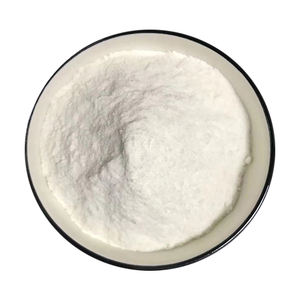
In this deep-dive analysis, we’ll break down the differences between naphthalene-based water reducers and polycarboxylate ether (PCE) superplasticizers—the two dominant players in the water-reducing category. We’ll also explore how these fit into the broader landscape of concrete additives, including air entraining admixture, concrete accelerator, and waterproofing admixture options.
2. Understanding Water Reducing Admixtures
Water reducing admixtures are chemical admixtures for concrete designed to lower the water-cement ratio without sacrificing workability. This leads to higher strength, reduced permeability, and improved durability. They fall into three main categories: normal, mid-range, and high-range water reducers—also known as superplasticizers.
- Normal water reducers cut water content by 5–10%.
- Mid-range water reducers offer 8–15% reduction.
- Superplasticizers (high-range water reducers) can reduce water by 15–40%.
Among superplasticizers, two chemistries dominate the market: naphthalene sulfonate formaldehyde condensate (NSF or SNF) and polycarboxylate ether (PCE).
2.1 Naphthalene-Based Superplasticizers
Naphthalene-based superplasticizers have been used since the 1960s. Made from naphthalene sulfonate, they’re cost-effective and widely available—often sold under brand names like Chryso admixture or generic labels at retailers like Home Depot.
These plasticizer for concrete products provide good slump retention for short periods but suffer from rapid slump loss over time. They’re also sensitive to cement chemistry and temperature, which can lead to inconsistent performance. Additionally, naphthalene derivatives raise environmental and health concerns due to their aromatic hydrocarbon base.
Despite drawbacks, they remain popular in regions where cost is prioritized over long-term performance or sustainability.
2.2 Polycarboxylate Ether (PCE) Superplasticizers
PCE-based superplasticizers represent the next generation of concrete water reducer technology. These molecules feature comb-like polymer structures that provide steric hindrance, keeping cement particles dispersed far longer than electrostatic repulsion alone (used in naphthalene systems).
Benefits include:
- Superior slump retention (up to 2+ hours)
- Lower dosage requirements (typically 0.1–0.3% by cement weight)
- Compatibility with diverse cement types and supplementary materials like fly ash or slag
- Eco-friendlier profile with no formaldehyde or naphthalene
While PCE superplasticizers cost more upfront, their efficiency often makes them the best admixture for concrete in high-performance applications like self-consolidating concrete (SCC), precast elements, or high-strength mixes.
3. Beyond Water Reduction: Other Key Admixture Types
While superplasticizers grab headlines, other concrete admixture types play critical roles in tailoring concrete performance.
3.1 Air Entraining Admixtures
Air entraining concrete contains microscopic air bubbles introduced via air entraining agent chemicals like vinsol resin or synthetic surfactants. These bubbles improve freeze-thaw resistance—a must in cold climates—and enhance workability. Look for terms like air entraining cement or air entraining admixture when specifying these additives.
3.2 Accelerators and Retarders
Accelerating admixtures for concrete shorten setting time and boost early strength—ideal for fast curing concrete additives in winter pours. Calcium chloride is common but corrosive; non-chloride alternatives are preferred for reinforced structures.
On the flip side, concrete retarder admixtures delay hydration, useful in hot weather or for long hauls. Surface retarder concrete is even used decoratively to expose aggregate in stamped finishes.
3.3 Waterproofing Admixtures
From integral waterproofer to crystalline waterproofing admixture, these concrete waterproofing additives block capillary pores or react with moisture to form insoluble crystals. Cement waterproofing additive and waterproof admix options are essential for basements, tunnels, and water tanks.
4. Specialty Additives: Fibers, Foaming Agents, and More
Modern concrete isn’t just about chemistry—it’s also about reinforcement and texture. Fiber reinforced concrete uses polypropylene fibres for concrete, steel fibers for concrete, or even coconut fiber concrete to control cracking and improve toughness.
For lightweight applications, foaming agent for foam concrete (like protein-based or synthetic CLC foaming agents) creates cellular concrete with excellent insulation properties.
And for aesthetics? Colored concrete, stamped concrete colors, and release agents like powder release agent for concrete let builders mimic wood, stone, or brick—even with hardie concrete siding or certainteed concrete siding that looks like wood.
5. Choosing the Right Admixture for Your Project
The best admixture for concrete depends on your goals:
- Need high flow with low water? Go PCE superplasticizer.
- Working in freezing temps? Use air entraining plus a non-chloride concrete accelerator.
- Building a basement wall? Add a crystalline waterproofing admixture.
- Pouring decorative stamped concrete? Pair a concrete retarder with colored concrete powder and a quality release spray.
Always consult technical data sheets and consider compatibility with your local cement and aggregates.
6. Conclusion
Admixtures have transformed concrete from a basic building block into a high-tech, customizable material. While naphthalene-based water reducers still serve budget-conscious projects, polycarboxylate ether superplasticizers offer superior performance, sustainability, and versatility. By understanding admixture types—from plasticizer admixture to fiberfor concrete mix—you can optimize strength, durability, and aesthetics for any job. Whether you’re mixing mortar for tile or engineering fiber reinforced polymer concrete, the right concrete chemicals make all the difference.
Our Website founded on October 17, 2012, is a high-tech enterprise committed to the research and development, production, processing, sales and technical services of ceramic relative materials such as Superplasticizers. Our products includes but not limited to Boron Carbide Ceramic Products, Boron Nitride Ceramic Products, Silicon Carbide Ceramic Products, Silicon Nitride Ceramic Products, Zirconium Dioxide Ceramic Products, etc. If you are interested, please feel free to contact us.