Concrete4U | Concrete Admixtures, Tools, and Production Machines

Master the Mix: Understand Every Type of Concrete Admixture for Stronger, Smarter Builds
1. Introduction
Just 48 hours ago, global construction leaders at the World Concrete Summit highlighted a surge in demand for eco-friendly concrete admixtures—especially polycarboxylate ether (PCE)-based superplasticizers and crystalline waterproofing systems—as builders race to meet green infrastructure standards. This shift underscores how vital admixtures have become in modern concrete technology.
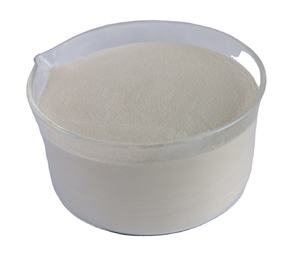
If you’ve ever wondered why some concrete pours stay workable for hours while others set in minutes—or how sidewalks withstand freeze-thaw cycles without cracking—you’re seeing admixtures at work. These concrete additives, often called ‘ad mixtures’ or cement admixtures, are secret ingredients that transform basic cement into high-performance material tailored for specific needs.
2. What Are Admixtures?
Admixtures are materials added to concrete before or during mixing to modify its properties. They can improve workability, accelerate or delay setting time, enhance strength, add color, or provide waterproofing. Whether you’re pouring a driveway or constructing a skyscraper, the right admixture used in concrete makes all the difference.
Modern concrete chemicals fall into two broad categories: chemical admixtures (like superplasticizers and accelerators) and mineral admixtures (such as fly ash or silica fume). Together, they form the backbone of today’s engineered concrete solutions.
3. Key Types of Concrete Admixture
The market offers dozens of concrete admixture types, but most fall into these functional groups:
- Water reducing admixtures (including mid-range and high-range water reducers like superplasticizer)
- Concrete accelerator and concrete retarder formulations
- Air entraining admixture for freeze-thaw resistance
- Waterproofing admixture (including integral waterproofer and crystalline systems)
- Fiber reinforcement (polypropylene, steel, or even coconut fiber)
- Specialty additives like foaming agents, colorants, and release agents
Choosing the best admixture for concrete depends on climate, application, and performance goals.
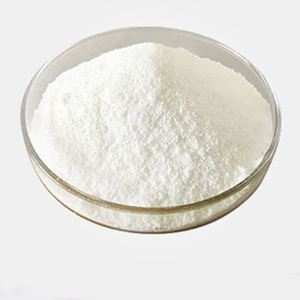
4. Superplasticizers: The Game-Changer in Concrete Flow
Superplasticizer (also called super plasticizers or concrete plasticiser) is arguably the most impactful chemical admixture for concrete today. These high-range water reducers dramatically increase slump without adding extra water—boosting strength and durability.
Polycarboxylate ether (PCE) superplasticizers dominate the market due to their efficiency and compatibility with modern cements. Brands like Chryso admixture offer advanced PCE-based formulas that deliver superior flow in self-consolidating concrete. Unlike older naphthalene or melamine-based versions, PCE superplasticizers provide longer workability windows and lower dosage requirements.
When you see ‘superplasticizer in concrete’ on a spec sheet, it usually means enhanced pumpability, reduced permeability, and higher early strength—critical for fast-track projects using fast curing concrete additives.
5. Controlling Time: Accelerators vs. Retarders
Need concrete to set fast? Use an accelerating admixtures for concrete to shorten curing time—ideal for cold weather or emergency repairs. These concrete accelerator products reduce the concrete accelerator curing time significantly.
Conversely, a concrete retarder admixture (or surface retarder concrete for decorative finishes) delays hydration, giving crews more time to place and finish large pours in hot climates. An admixture retarder is especially useful for stamped concrete projects where timing is everything.
6. Air Entraining & Waterproofing: Durability Boosters
Air entraining concrete contains microscopic air bubbles created by an air entraining agent. This air entraining admixture improves resistance to scaling and cracking in freeze-thaw environments—common in northern regions.
For moisture control, waterproofing admixture for concrete comes in several forms. Integral waterproofers react within the matrix, while crystalline waterproofing admixture grows crystals that block capillary pores. Both serve as effective concrete waterproof admix or cement waterproofing additive solutions—far more reliable than surface sealers alone.
7. Fiber Reinforcement: Beyond Steel Rebar
Fibers for concrete—whether polypropylene fibres for concrete, steel fibers for concrete, or natural options like coconut fiber reinforced concrete—add tensile strength and crack control. Fiber reinforced concrete reduces shrinkage cracks and boosts impact resistance.
Macro fibers and microfibers (including concrete microfiber and PP fiber concrete) are now standard in slabs, overlays, and even concrete siding. Speaking of which, modern concrete siding—like Hardie or CertainTeed concrete siding—often uses fiberfor concrete mixes to mimic wood grain while resisting rot and fire. Concrete fiber siding cost remains competitive, especially for homes seeking low-maintenance exteriors.
8. Color, Form Release, and Foaming Agents
Colored concrete relies on pigments and stamped concrete colors to create aesthetic finishes. Powder concrete colorants, combined with a quality concrete release agent (like spray release or powder release agent), ensure clean pattern transfer without staining.
Meanwhile, lightweight applications use a concrete foaming agent—such as protein based foaming agent or synthetic foaming agent for concrete—to produce foam concrete or CLC blocks. The best foaming agent for aircrete balances stability and bubble uniformity, directly affecting insulation and strength.
9. Conclusion
From superplasticizer admixture boosting fluidity to air entraining cement enhancing longevity, admixtures empower builders to customize concrete like never before. Whether you’re selecting a concrete water reducer, a waterproof admix, or fiber reinforcement, understanding admixture types ensures smarter, stronger, and more sustainable builds. As the industry evolves—driven by innovations in PCE chemistry and green additives—the right concrete additives will remain essential to every pour.
Our Website founded on October 17, 2012, is a high-tech enterprise committed to the research and development, production, processing, sales and technical services of ceramic relative materials such as Master. Our products includes but not limited to Boron Carbide Ceramic Products, Boron Nitride Ceramic Products, Silicon Carbide Ceramic Products, Silicon Nitride Ceramic Products, Zirconium Dioxide Ceramic Products, etc. If you are interested, please feel free to contact us.