Concrete-mesa | Concrete Admixtures, Tools, and Production Machines

How Do You Choose and Use the Right Admixtures for Your Concrete Project?
1. Introduction
Just 24 hours ago, a viral TikTok video showed a homeowner’s backyard patio crumbling like stale cereal—all because they skipped using the right concrete admixture. Turns out, ‘just mixing cement and water’ isn’t the pro move it once was. Today’s concrete is a high-performance cocktail of science and engineering, and admixtures are the secret ingredients that make it work.
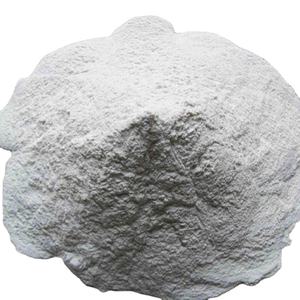
Whether you’re pouring a driveway, crafting white countertops, or installing fibercement siding, choosing the correct admixture can mean the difference between a masterpiece and a mess. In this guide, we’ll walk you through how to select, dose, and troubleshoot the most common concrete admixtures—without needing a PhD in civil engineering.
2. Understanding Admixture Types
Not all concrete additives are created equal. Think of admixtures as the spices in your kitchen: too little, and your dish is bland; too much, and it’s ruined. The key is knowing what each type does.
2.1. Water-Reducing Admixtures
These include plasticizer for concrete and superplasticizer (also called super plasticizers). They reduce the water content needed for workability, boosting strength without sacrificing flow. A concrete water reducer like polycarboxylate ether (PCE) is ideal for high-strength applications. Use 0.5–2% by weight of cement—but never eyeball it!
- Always follow manufacturer dosage charts.
- Overdosing superplasticizer in concrete can cause segregation or delayed setting.
2.2. Set-Modifying Admixtures
Need fast curing concrete additives? Enter accelerating admixtures for concrete—perfect for cold weather pours. On the flip side, a concrete retarder (or admixture retarder) slows hydration in hot climates or for complex placements. Surface retarder concrete is even used to expose aggregate finishes.
Pro tip: Never use a concrete accelerator and retarder in the same mix unless you enjoy chaos.
2.3. Air-Entraining Admixtures
Air entraining concrete contains microscopic bubbles that improve freeze-thaw resistance. An air entraining admixture (or air entraining agent) is essential in northern climates. Look for products labeled ‘air entraining cement’ if you’re buying pre-blended mixes.
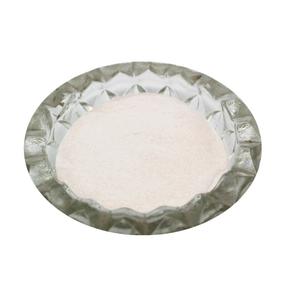
3. Waterproofing and Specialty Additives
3.1. Integral Waterproofers
Forget surface sealers—integral waterproofer admixtures react within the matrix to block moisture. Crystalline waterproofing admixture forms insoluble crystals that self-seal micro-cracks over time. This is your best bet for basements or water tanks.
Cement waterproofing additive and concrete waterproof admix options vary, but always verify compatibility with your cement type.
3.2. Foaming Agents & Lightweight Concrete
Building CLC blocks or foamcrete? You’ll need a foaming agent for foam concrete. Protein-based or synthetic foaming agents create stable air cells. Avoid homemade foaming agent for concrete—it rarely achieves consistent density.
4. Fiber Reinforcement: Beyond Steel Rebar
Fiber reinforced concrete adds toughness without heavy rebar. Options include polypropylene fibres for concrete (great for crack control), steel fibers for concrete (for industrial floors), and even coconut fiber reinforced concrete for eco-builds.
Macro fibers and microfibers serve different purposes: macro for structural enhancement, micro for plastic-shrinkage control. Mix fibers evenly—clumping causes weak spots. And no, throwing in old rope won’t count as fiberfor concrete.
Note: Fibercement siding (like Hardie or CertainTeed concrete siding) uses cellulose or synthetic fibers—not the same as cast-in-place fiber reinforced concrete.
5. Practical Step-by-Step Guide to Using Admixtures

5.1. Step 1: Define Your Goal
Are you aiming for high flow? Early strength? Waterproofing? Wood-like stamped concrete? Match your goal to an admixture type. For colored stamped concrete, you’ll also need a concrete release agent in tinted powder form to prevent sticking and add accent color.
5.2. Step 2: Check Compatibility
Not all admixtures play nice together. Superplasticizer admixture may conflict with certain air entraining agents. Always consult technical data sheets—yes, even if they’re boring.
5.3. Step 3: Measure Precisely
Use a scale, not a coffee mug. Dosage errors cause 90% of admixture failures. For example, PCE superplasticizer typically requires 0.8–1.2% by cement weight.
5.4. Step 4: Add in Correct Order
General rule: Add water first, then cement, then aggregates, then admixtures. Superplasticizers are often added last or via ‘delayed addition’ after initial mixing to maximize slump retention.
5.5. Step 5: Test Before Full Pour
Make a small trial batch. Check workability, set time, and finishability. If your mix looks like lumpy oatmeal or sets in 10 minutes, adjust before committing.
6. Common Problems & Quick Fixes
Problem: Concrete is too sticky.
Solution: Add a mid-range water reducer or adjust superplasticizer dosage.
Problem: Surface is scaling in winter.
Solution: You likely missed an air entraining admixture—next batch, include it.
Problem: Waterproofing failed despite using concrete waterproofing additive.
Solution: Ensure proper curing—crystalline systems need moisture to activate.
7. Conclusion
Choosing the best admixture for concrete isn’t about fancy labels—it’s about matching chemistry to your real-world needs. Whether you’re using Chryso admixture on a commercial site or grabbing a concrete superplasticizer from Home Depot for a patio, precision and planning win every time. So skip the guesswork, respect the ratios, and pour with confidence. Your future self (and your patio) will thank you.
Our Website founded on October 17, 2012, is a high-tech enterprise committed to the research and development, production, processing, sales and technical services of ceramic relative materials such as How. Our products includes but not limited to Boron Carbide Ceramic Products, Boron Nitride Ceramic Products, Silicon Carbide Ceramic Products, Silicon Nitride Ceramic Products, Zirconium Dioxide Ceramic Products, etc. If you are interested, please feel free to contact us.