Concrete4U | Concrete Admixtures, Tools, and Production Machines

10 Essential Things You Need to Know About Concrete Admixtures in 2024
1. Introduction
Just this week, a major infrastructure project in Texas made headlines by using advanced polycarboxylate ether (PCE)-based superplasticizers to pour ultra-high-performance concrete in record heat—demonstrating how modern admixtures are solving real-world construction challenges. As climate extremes and sustainability demands grow, concrete admixtures have moved from optional extras to essential components in nearly every mix design.
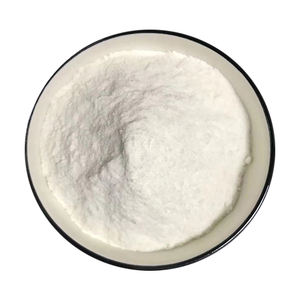
Admixtures—often called concrete additives—are materials added to concrete before or during mixing to modify its properties. Far from being mere fillers, these chemical or mineral compounds can control setting time, enhance strength, improve workability, add color, or even make concrete waterproof. With dozens of options on the market, knowing which admixture to use—and when—is key to building smarter, faster, and longer-lasting structures.
2. What Are Admixtures and Why Do They Matter?
Admixtures are substances other than water, aggregates, and cement that are added to concrete to achieve specific performance characteristics. The term ‘admixtures’ (sometimes spelled ‘ad mixtures’) covers a wide range of products—from liquid superplasticizers to powdered fibers and waterproofing agents.
Modern concrete simply wouldn’t meet today’s engineering standards without them. Whether you’re pouring a driveway, constructing a high-rise, or installing fiber cement siding, admixtures help tailor concrete to exact needs.
3. Major Types of Concrete Admixtures
3.1. Water-Reducing Admixtures
Water reducing admixtures are among the most common concrete chemicals used globally. These include mid-range and high-range water reducers—also known as superplasticizers. A superplasticizer in concrete can reduce water content by up to 40% while maintaining workability, leading to higher strength and durability.
Popular types include naphthalene-based, melamine-based, and the increasingly dominant polycarboxylate ether (PCE) superplasticizers. PCE-based superplasticizers offer superior slump retention and are ideal for self-consolidating concrete. When people ask for the ‘best admixture for concrete,’ high-range water reducers like PCE superplasticizer often top the list.
3.2. Accelerators and Retarders
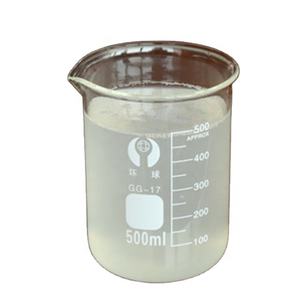
Concrete accelerator admixtures speed up curing time—critical in cold weather or fast-track projects. On the flip side, a concrete retarder admixture delays setting, useful in hot climates or for complex pours. Surface retarder concrete is even used in decorative stamped concrete to allow for pattern imprinting.
Both accelerating admixtures for concrete and admixture retarders give contractors precise control over the hydration process, directly impacting schedule and quality.
3.3. Air-Entraining Admixtures
Air entraining concrete contains microscopic air bubbles introduced by an air entraining agent. This improves freeze-thaw resistance—essential in northern climates. An air entraining admixture creates a more durable pore structure, preventing cracking when water expands during freezing.
Don’t confuse this with foam concrete; air entraining is about tiny, stable bubbles, not lightweight cellular structure.
3.4. Waterproofing Admixtures
From integral waterproofer to crystalline waterproofing admixture, these additives make concrete inherently resistant to moisture. A concrete waterproofing additive or cement waterproofing additive reacts internally to block capillary pores.
Products like waterproof admix or admixture waterproofing are especially valuable in basements, tunnels, and water tanks. Unlike surface sealers, they protect from within—offering long-term defense without reapplication.
4. Specialty Admixtures: Beyond the Basics
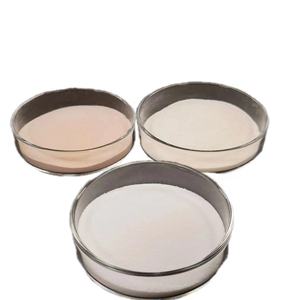
4.1. Fiber Reinforcement
Fibers for concrete—such as polypropylene fibres for concrete, steel fibers for concrete, or even coconut fiber reinforced concrete—add tensile strength and reduce cracking. Fiber reinforced concrete is now standard in industrial floors, shotcrete, and even residential siding.
Brands like Hardie and CertainTeed use fiberfor concrete mix in their fibercement siding products, which mimic wood grain while offering fire and pest resistance. Concrete fiber siding cost varies, but it’s a durable, low-maintenance option for modern homes.
4.2. Foaming Agents for Lightweight Concrete
A concrete foaming agent introduces stable air cells to create foam concrete (or aircrete). Used in CLC blocks and insulation panels, foaming agents can be protein-based or synthetic. The best foaming agent for aircrete depends on density requirements and cost—clc foaming agent price typically ranges based on performance grade.
These agents enable lighter structures, better thermal insulation, and easier handling—ideal for non-load-bearing walls.
4.3. Color and Release Agents
Colored concrete relies on pigments like colored concrete powder or white cement for aesthetic finishes. Stamped concrete colors—from charcoal to terra cotta—require compatible release agents to prevent sticking during imprinting.
Concrete release agents come as powders, sprays, or oils. A water-based release agent or powder release agent for concrete ensures clean pattern transfer without staining. For DIYers, homemade concrete release agent recipes exist, but commercial sprays offer consistency.
5. Choosing the Right Admixture
Selecting the best admixture for concrete depends on your project’s environment, structural needs, and timeline. Ask:
- Is early strength critical? Consider a concrete accelerator.
- Pouring in summer heat? Use a concrete retarder admixture.
- Need waterproofing? Look into crystalline waterproofing admixture or integral waterproofer.
- Want crack resistance? Add polypropylene fibre or steel fiber reinforced concrete.
Always consult technical data sheets (sometimes called bio data sheets) and follow dosage guidelines. Overuse can cause segregation or delayed setting.
6. Conclusion
From superplasticizer admixture boosting flow without extra water to fiber reinforcement enhancing toughness, admixtures are the unsung heroes of modern concrete. As innovations like PCE superplasticizers and crystalline waterproofing gain traction, the line between ‘concrete’ and ‘engineered material’ continues to blur. Whether you’re buying from Home Depot or specifying for a skyscraper, understanding concrete admixture types ensures better builds, fewer failures, and smarter investments.
Our Website founded on October 17, 2012, is a high-tech enterprise committed to the research and development, production, processing, sales and technical services of ceramic relative materials such as 10. Our products includes but not limited to Boron Carbide Ceramic Products, Boron Nitride Ceramic Products, Silicon Carbide Ceramic Products, Silicon Nitride Ceramic Products, Zirconium Dioxide Ceramic Products, etc. If you are interested, please feel free to contact us.