Concrete4U | Concrete Admixtures, Tools, and Production Machines

Rapid Setting Cement for Repairs: What Everyone Gets Wrong (And How to Fix It)
Introduction
Over 70% of DIY concrete patches fail within two years. Not because the material is weak, but because simple, avoidable mistakes sabotage the repair. Let’s fix that.
FAQ: Rapid Setting Cement Warnings
1. “Is rapid setting cement just fast concrete?”
No. This is the biggest misconception. Think of it as a chemical adhesive with aggregate. Traditional concrete cures through hydration over weeks. Rapid setting cement relies on a swift chemical reaction called ettringite formation. Misunderstanding this leads to mixing errors. You cannot treat it like regular Quikrete.
2. “What’s the #1 mixing mistake?”
Adding too much water. Users on forums like Reddit often report a soupy, weak mix that cracks. The polymer-modified formulas need precise ratios. Use cool water (below 70°F/21°C). Hot water accelerates the reaction too fast, robbing you of working time. Mix only what you can apply in 5 minutes.
3. “Why does my patch keep crumbling?”
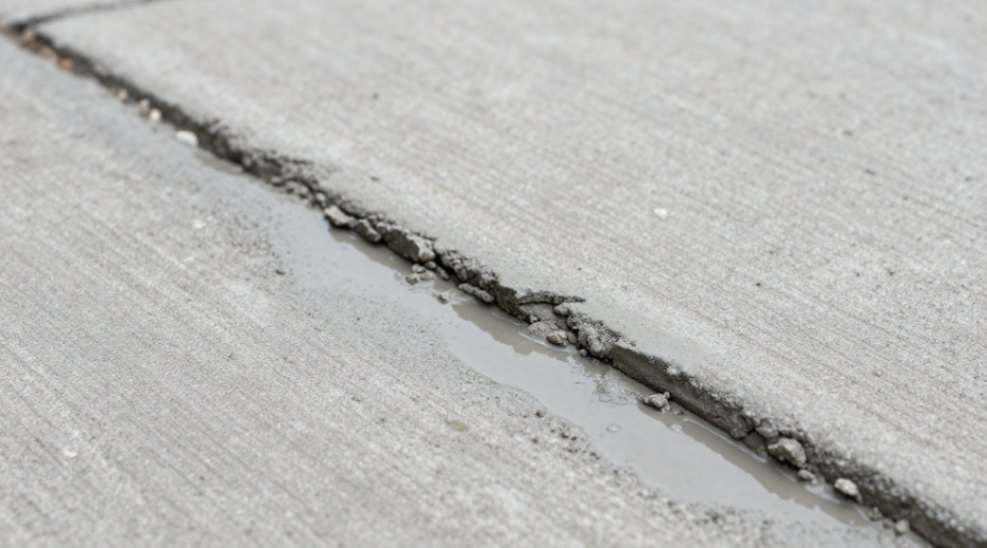
Poor surface prep. Never apply rapid setting cement for repairs to a dusty or smooth surface. You must chip out all loose material to solid substrate. The surface must be saturated-surface-dry (SSD). Soak it. Let the water soak in, then remove all standing water. A damp, rough surface gives the chemical bond something to grip.
4. “Can I use this for large holes?”
No. Do not attempt to fill voids deeper than 2 inches in a single lift. The heat from the exothermic reaction will cause internal stress and cracking. For deep holes, fill in layers. Let the first layer harden (about 10-15 minutes) before adding the next. Use a bonding adhesive between layers for monolithic strength.
5. “What safety gear is non-negotiable?”
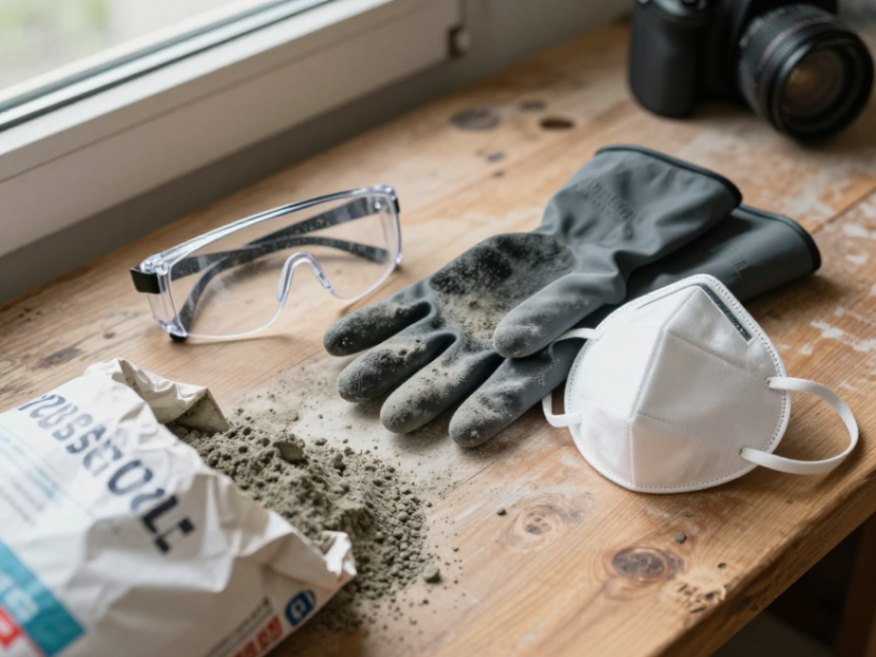
Gloves and eye protection. The high alkalinity of the cement powder can cause chemical burns. Wear nitrile or rubber gloves. Safety glasses are mandatory-dust in the eye is a trip to the ER. A simple dust mask is insufficient; use an N95 respirator when mixing dry powder.
6. “Can I fix my steps in freezing weather?”
Absolutely not. Applying rapid setting cement when temperatures are below 40°F (4°C) or will drop below freezing within 24 hours is a guaranteed failure. The chemical reaction stalls. Moisture inside the patch will freeze and expand, destroying it from within. Wait for proper conditions.
7. “Do I need to seal my repair?”
Yes, for long-term durability. While the cement itself is water-resistant, the repair area is vulnerable. After a full 24-hour cure, apply a penetrating silane-siloxane sealer. This protects against water intrusion and freeze-thaw cycles, which are the main killers of concrete patches.
8. “My cement set in the bucket. What now?”
Do not add more water. Do not try to remix it. The chemical reaction is complete. Discard it. This is your warning to mix smaller batches next time. The working time is not a suggestion-it’s a law. Have your tools and repair area ready before you mix a single scoop.
Final Advice
Respect the chemistry. Rapid setting cement for repairs is a powerful tool, not a magic wand. Success comes from preparation, precision, and patience during the cure. Test your technique on a small, non-critical area first. Master the mix and the feel. Your repaired sidewalk corner or plumbing anchor will then last for decades, not just a season.
Supplier
We are the global leader in lightweight concrete and advanced engineered foam solutions. Known globally for its commitment to research, innovation, and applied expertise, we have been providing engineered foam solutions since the early 2012’s.
We can supply high-quality concrete admixture and foam concrete related products all over the world.
The company has a professional technical department and quality supervision department, a well-equipped laboratory, and equipped with advanced testing equipment and after-sales customer service center.
If you are interested, please feel free and contact us.