Concrete-mesa | Concrete Admixtures, Tools, and Production Machines

What Are Admixtures and Why Is Everyone Talking About Them in Concrete Construction?
1. Introduction
Just 36 hours ago, a major European construction firm unveiled a groundbreaking low-carbon foam concrete mix using a new bio-based foaming agent—sparking a flurry of excitement (and memes) across engineering circles. Suddenly, everyone from contractors to DIY homeowners is asking: what exactly are admixtures, and why do they matter so much? Spoiler alert: without them, your dream driveway might look more like a crumbling pancake than a polished masterpiece. Welcome to the wild, wonderful world of concrete admixtures—where chemistry meets construction, and even your backyard patio gets a little help from high-tech helpers.
2. What Exactly Are Admixtures?
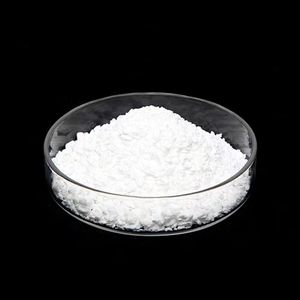
Admixtures—sometimes spelled ‘ad mixtures’ by the overly enthusiastic—are chemical or mineral ingredients added to concrete before or during mixing to modify its properties. Think of them as the secret sauce in your grandma’s stew: you might not see them, but without them, everything falls flat. These concrete additives can tweak workability, setting time, strength, durability, and even appearance. Whether it’s a plasticizer for concrete that makes it flow like silk or an air entraining agent that helps it survive Arctic winters, admixtures are the backstage crew making sure the concrete show goes on without a hitch.
3. Major Types of Concrete Admixtures
3.1 Chemical Admixtures
Chemical admixtures are the rockstars of the concrete world. They include everything from superplasticizers to accelerators and retarders. A superplasticizer in concrete—often based on polycarboxylate ether (PCE)—can slash water content by up to 40% while keeping the mix pourable. That’s right: less water, more strength, zero drama. Then there are concrete accelerators, which speed up curing time (perfect for emergency repairs), and concrete retarders, which buy you extra time on hot summer pours. And let’s not forget air entraining concrete additives, which create microscopic air bubbles to prevent freeze-thaw damage—because nobody wants their sidewalk turning into a snow cone every winter.
3.2 Mineral Admixtures
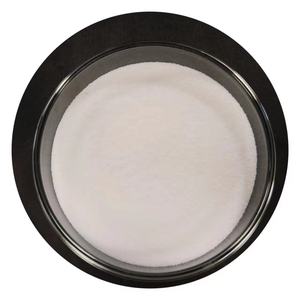
Mineral admixtures like fly ash, silica fume, or ground granulated blast-furnace slag aren’t just fillers—they’re performance enhancers. These pozzolanic materials react with cement to boost long-term strength and reduce permeability. Some even double as integral waterproofers, giving your basement walls a fighting chance against moisture. In short, mineral admixture isn’t just eco-friendly—it’s smart engineering disguised as dust.
3.3 Waterproofing and Specialty Additives
Need your structure to laugh in the face of rain? Enter waterproofing admixtures. From crystalline waterproofing admixture that grows crystals inside capillaries to cement waterproofing additives that seal pores from within, these products turn ordinary concrete into a moisture-resistant fortress. Brands like Chryso offer advanced formulations, but even generic concrete waterproof admix options can dramatically extend service life—especially in foundations, tunnels, and swimming pools.
4. Superplasticizers: The MVP of Modern Concrete
If concrete had a Most Valuable Player award, superplasticizers would win it every year. Also called high-range water reducers, these super plasticizers allow for ultra-high-strength, self-consolidating concrete without adding extra water. Polycarboxylate-based superplasticizers dominate the market today thanks to their efficiency, compatibility, and lower dosage requirements compared to older naphthalene or melamine sulfonate versions. Whether you’re casting skyscraper columns or crafting artisan countertops, a quality superplasticizer admixture ensures smooth finishes and structural integrity—no trowel tantrums required.
5. Fiber Reinforcement: Beyond Steel Rebar
Fibers for concrete have exploded in popularity, and for good reason. Polypropylene fibres for concrete prevent early-age cracking, while steel fibers for concrete add post-crack toughness. You’ll find fiber reinforced concrete in everything from industrial floors to earthquake-resistant bridges. And yes—even coconut fiber reinforced concrete is being tested in sustainable builds! Whether it’s macro fibers for impact resistance or microfibers for surface durability, concrete with fiber reinforcement is lighter, tougher, and often faster to install than traditional reinforced concrete. Bonus: it looks great on modern concrete siding too—think Hardie or CertainTeed panels that mimic wood grain without the rot.
6. Foaming Agents and Lightweight Concrete
Foam concrete is having a moment, thanks to rising demand for insulation and sustainability. A concrete foaming agent—whether protein-based or synthetic—creates stable air bubbles, yielding lightweight cellular concrete (aka aircrete). CLC foaming agents are now used in everything from precast blocks to roof decks. Recent innovations focus on biodegradable formulas, aligning with global green building trends. And while homemade foaming agent for concrete might sound tempting, professionals stick to tested synthetic foaming agents for consistent results and structural reliability.
7. Color, Release, and Aesthetic Enhancements
Who says concrete has to be gray and gloomy? Colored concrete, stamped concrete colors, and tinted mixes let architects play Picasso with pavement. Powder concrete colorants and release agents—like spray release or powder release agent for concrete—ensure intricate patterns pop without sticking to molds. Whether you’re going for charcoal stamped concrete or terra cotta concrete color, the right combination of pigment and release spray turns slabs into art. Just don’t forget the form release oil—unless you enjoy chiseling concrete off your molds at midnight.
8. Choosing the Best Admixture for Concrete
With so many options—from fast curing concrete additives to surface retarder concrete treatments—how do you pick? Start by defining your goal: need workability? Go for a concrete water reducer. Worried about cold weather? Air entraining admixture is your friend. Building a waterfront home? Prioritize waterproofing admixture for concrete. Always consult technical data sheets and consider compatibility with your cement type. And remember: the best admixture for concrete isn’t the fanciest—it’s the one that solves your specific problem without side effects.
9. Conclusion
Admixtures may not wear capes, but they’re the invisible heroes of every durable, beautiful, and efficient concrete project. From superplasticizer admixtures that revolutionize mix design to fibers that add resilience and foaming agents enabling greener construction, these concrete chemicals shape our built environment in profound ways. So next time you walk on a smooth plaza or admire modern concrete siding that looks like wood, tip your hard hat to the humble admixture—working quietly, brilliantly, beneath the surface.
Our Website founded on October 17, 2012, is a high-tech enterprise committed to the research and development, production, processing, sales and technical services of ceramic relative materials such as What. Our products includes but not limited to Boron Carbide Ceramic Products, Boron Nitride Ceramic Products, Silicon Carbide Ceramic Products, Silicon Nitride Ceramic Products, Zirconium Dioxide Ceramic Products, etc. If you are interested, please feel free to contact us.