Concrete4U | Concrete Admixtures, Tools, and Production Machines

How to Choose and Use the Best Concrete Admixtures for Your Project
1. Introduction
Ever poured a concrete slab only to find it too stiff to level—or worse, cracked within days? The secret to avoiding these headaches lies in using the right concrete admixtures. These chemical or mineral additives transform ordinary concrete into high-performance material tailored for strength, durability, workability, or weather resistance. With so many options—like superplasticizer, air entraining admixture, or integral waterproofer—it’s easy to feel overwhelmed. This guide cuts through the noise with clear, step-by-step advice on choosing and using the best admixture for concrete in real-world scenarios.
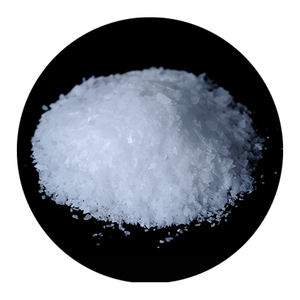
2. Understand Common Admixture Types
Before buying anything, know what each category does. Admixture types fall into functional groups:
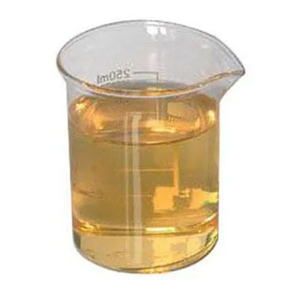
- Water reducing admixtures (including superplasticizer and mid-range water reducers) boost flow without adding extra water, improving strength and finish.
- Concrete accelerator and accelerating admixtures for concrete shorten curing time—ideal for cold-weather pours.
- Concrete retarder or admixture retarder delays setting, useful in hot climates or for complex placements.
- Air entraining concrete additives introduce tiny air bubbles that prevent freeze-thaw damage.
- Waterproofing admixture (like crystalline waterproofing admixture or cement waterproofing additive) blocks moisture penetration.
- Fiber reinforcement (polypropylene fibres for concrete, steel fibers for concrete, or coconut fiber reinforced concrete) reduces cracking and boosts toughness.
- Foaming agents create lightweight cellular concrete for insulation or precast blocks.
3. Step-by-Step: Selecting the Right Admixture
Start by identifying your main challenge. Is your mix too dry? Cracking after curing? Taking forever to set? Match the problem to the solution:
- For high flow and low water content: Use a superplasticizer in concrete (preferably polycarboxylate ether-based for best performance).
- For faster turnaround: Add a concrete accelerator to reduce curing time—great for driveways or repairs.
- For cold climates: Combine air entraining agent with a mild accelerator to protect against frost.
- For basements or water tanks: Choose an integral waterproofer or crystalline waterproofing admixture.
- For slabs or overlays prone to shrinkage cracks: Mix in polypropylene fibre or macro fibers.
- For decorative stamped concrete: Pair a surface retarder concrete with a quality release agent to enhance pattern definition.
4. Mixing and Dosage Guidelines
Even the best admixture for concrete fails if misused. Always follow the manufacturer’s dosage instructions—typically 0.1% to 2% by weight of cement. Here’s how to do it right:
- Add water reducers like superplasticizer admixture after initial mixing, not with dry cement, to avoid clumping.
- Never exceed recommended doses—too much superplasticizer can cause segregation or delayed setting.
- For fiberfor concrete mixes, disperse fibers evenly during batching to prevent balling.
- When using multiple admixtures (e.g., accelerator + air entrainer), check compatibility—some combinations reduce effectiveness.
- Test small batches first. A trial mix reveals workability, setting time, and finish quality before full-scale use.
5. Troubleshooting Common Problems
Even pros run into issues. Here’s how to fix them:
- Concrete sets too fast? You may have overused a concrete accelerator. Next time, switch to a concrete retarder admixture or reduce accelerator dose.
- Surface is dusty or weak? Likely too much water was used. Replace part of the mix water with a concrete water reducer next time.
- Freeze-thaw spalling? Your mix lacks air entraining. Add an air entraining admixture at 4–7% air content for exterior slabs.
- Water seeping through walls? Standard concrete isn’t waterproof. Use a waterproof admix like crystalline waterproofing admixture during batching—not just a surface coating.
- Fibers clumping in mix? Pre-wet polypropylene fibres or use a fiber dispersion aid. Avoid dumping all fibers at once.
6. Pro Tips for DIYers and Contractors
Save time and money with these insider tricks:
- Store admixtures in cool, dry places. Heat degrades super plasticizers and accelerators.
- Buy from reputable brands like Chryso admixture or Sika—cheap additives often underperform.
- For colored stamped concrete, use powder release agents that double as color enhancers.
- When working with white cement (e.g., for countertops), choose non-staining superplasticizers to preserve brightness.
- Home Depot concrete siding projects often benefit from fiber-reinforced mixes—add pp fiber concrete for impact resistance.
7. Conclusion
Choosing the right admixture used in concrete isn’t about fancy chemistry—it’s about solving real problems on the job site. Whether you need a superplasticizer to ease placement, an air entraining concrete additive for winter durability, or a waterproofing admixture for a basement wall, the key is matching function to need. With this guide, you’re equipped to select, dose, and apply concrete additives confidently—ensuring stronger, longer-lasting results every time.
Our Website founded on October 17, 2012, is a high-tech enterprise committed to the research and development, production, processing, sales and technical services of ceramic relative materials such as How. Our products includes but not limited to Boron Carbide Ceramic Products, Boron Nitride Ceramic Products, Silicon Carbide Ceramic Products, Silicon Nitride Ceramic Products, Zirconium Dioxide Ceramic Products, etc. If you are interested, please feel free to contact us.