Concrete-mesa | Concrete Admixtures, Tools, and Production Machines

What Are Admixtures and How Do They Transform Modern Concrete?
1. Introduction
Just 24 hours ago, a major infrastructure project in Texas announced it would use advanced polycarboxylate ether (PCE)-based superplasticizers to achieve ultra-high-strength concrete with reduced water content—highlighting how modern admixtures are revolutionizing construction. As sustainability and efficiency become top priorities, understanding admixtures is no longer optional for builders, engineers, or DIY enthusiasts.
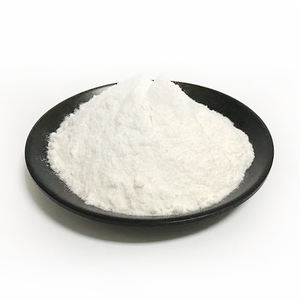
Admixtures—also called concrete additives or cement admixtures—are chemical or mineral ingredients added to concrete before or during mixing to modify its properties. Whether you’re pouring a driveway, building a skyscraper, or installing fiber cement siding, the right admixture can make all the difference.
2. What Are Admixtures?
Admixtures are substances other than water, aggregates, and cement that are added to concrete mixtures to improve specific characteristics. They’re used in nearly every modern concrete application—from sidewalks to dams—and fall into two broad categories: chemical and mineral.
- Chemical admixtures include superplasticizers, accelerators, retarders, and air-entraining agents.
- Mineral admixtures (like fly ash or silica fume) enhance long-term strength and durability.
The best admixture for concrete depends on your project’s climate, timeline, structural needs, and aesthetic goals.
3. Common Types of Concrete Admixtures
3.1 Water-Reducing Admixtures
Water reducing admixtures—often called concrete water reducers—lower the water content needed for a given slump (workability), boosting strength without sacrificing flow. High-range water reducers are essentially superplasticizers, while mid-range versions offer moderate improvement.
Superplasticizer in concrete is one of the most widely used admixtures today. Made from polycarboxylate ether (PCE), naphthalene, or melamine sulfonates, superplasticizers dramatically increase fluidity. This allows for self-consolidating concrete or high-strength mixes with less cement.
Super plasticizers (or superplasticizer admixtures) are essential for complex architectural forms and precast elements where vibration isn’t possible.
3.2 Accelerating and Retarding Admixtures
Concrete accelerator admixtures speed up curing time—ideal for cold weather or fast-track projects. Fast curing concrete additives help contractors meet tight deadlines without compromising early strength.
On the flip side, a concrete retarder (or admixture retarder) delays setting time. Surface retarder concrete is often used in stamped concrete to allow time for imprinting patterns before the surface hardens.
Both types give builders control over the hydration process, adapting to environmental conditions and scheduling needs.
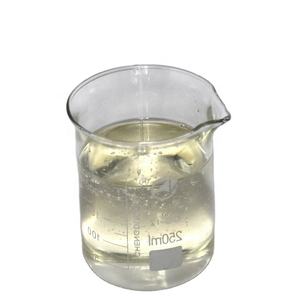
3.3 Air-Entraining Admixtures
Air entraining concrete contains microscopic air bubbles created by air entraining agents. These bubbles act as pressure relief valves during freeze-thaw cycles, preventing cracking and spalling.
Air entraining admixture is critical in northern climates. Look for terms like air entraining cement or air entraining concrete when specifying mixes for roads, bridges, or driveways in cold regions.
3.4 Waterproofing Admixtures
Want long-lasting, leak-free structures? Waterproofing admixtures penetrate the concrete matrix to block moisture. Options include integral waterproofer, crystalline waterproofing admixture, and cement waterproofing additive.
A concrete waterproofing additive or waterproof admix works from within—unlike surface sealers—making it ideal for basements, tunnels, and water tanks. Admixture waterproofing is especially effective when combined with proper curing.
4. Specialty Additives and Fibers
4.1 Fiber Reinforcement
Fibers for concrete—such as polypropylene fibres, steel fibers, or even coconut fiber—add tensile strength and reduce cracking. Fiber reinforced concrete is now standard in industrial floors, shotcrete, and even residential siding.
Products like Hardie concrete siding or CertainTeed concrete siding often use fiberfor concrete mix to mimic wood grain while offering fire and pest resistance. Concrete fiber siding cost varies, but durability often offsets long-term maintenance expenses.
Macro fibers and microfibers serve different purposes: macro fibers control crack width, while microfibers reduce plastic shrinkage.
4.2 Foaming Agents
For lightweight applications like CLC (cellular lightweight concrete) blocks or insulation panels, a concrete foaming agent introduces stable air cells. Protein-based or synthetic foaming agents create foam concrete with excellent thermal properties.
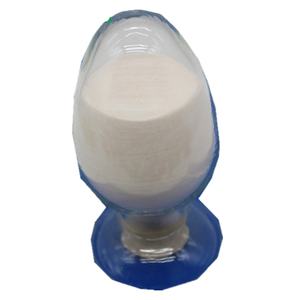
Popular choices include CLC foaming agent or aircrete foaming agent. Prices vary based on concentration and performance—always check foaming agent used in foam concrete specifications before buying.
5. Aesthetic and Finishing Additives
Colored concrete and stamped concrete rely on pigments and release agents. Stamped concrete colors range from charcoal to terra cotta, and powder release agents prevent stamps from sticking during imprinting.
White cement—used in white concrete countertops or decorative facades—offers a clean, bright base for tinted concrete. Combined with a concrete release agent (like form release oil or spray release), it ensures crisp pattern definition.
6. Choosing the Right Admixture
Not all admixtures are created equal. Brands like Chryso admixture offer tailored solutions for high-performance needs. Always review the bio data sheet and compatibility with your cement type.
Consider factors like ambient temperature, required strength, exposure conditions, and whether you need a plasticizer for concrete, concrete accelerator curing time reduction, or a concrete retarder admixture for extended workability.
7. Conclusion
From superplasticizer admixture that enables sleek modern architecture to air entraining agents that protect infrastructure in harsh winters, admixtures are the unsung heroes of concrete technology. Whether you’re a contractor sourcing concrete chemicals or a homeowner exploring concrete siding for homes, understanding admixture types empowers smarter, more resilient builds. As innovation continues—like PCE-based superplasticizers and eco-friendly foaming agents—the future of concrete is stronger, lighter, and more adaptable than ever.
Our Website founded on October 17, 2012, is a high-tech enterprise committed to the research and development, production, processing, sales and technical services of ceramic relative materials such as What. Our products includes but not limited to Boron Carbide Ceramic Products, Boron Nitride Ceramic Products, Silicon Carbide Ceramic Products, Silicon Nitride Ceramic Products, Zirconium Dioxide Ceramic Products, etc. If you are interested, please feel free to contact us.