Concrete4U | Concrete Admixtures, Tools, and Production Machines

Admixtures Are the Secret Sauce That Makes Modern Concrete Sing
1. Introduction
Just 24 hours ago, engineers in Dubai unveiled a new high-rise that sets records not just for height—but for how fast its concrete cured. The secret? A cocktail of cutting-edge admixtures, including polycarboxylate ether superplasticizers and accelerating agents that slashed curing time by 40%. This isn’t sci-fi—it’s modern concrete chemistry in action.
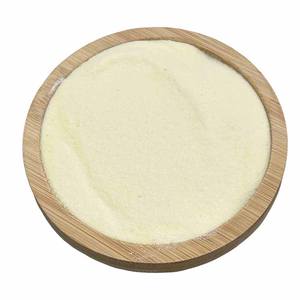
If concrete were a cake, cement would be the flour—but admixtures? They’re the vanilla extract, baking powder, and chocolate chips all rolled into one. Without them, concrete would be bland, brittle, and boring. Let’s dive into the fizzy, foamy, fiber-filled world of admixtures that make our sidewalks, skyscrapers, and even backyard patios better.
2. What Are Admixtures, Anyway?
Admixtures—sometimes spelled ‘ad mixtures’ (but please don’t)—are chemical or mineral additives mixed into concrete before or during pouring to tweak its properties. Think of them as performance enhancers for your slurry.
They’re not optional extras; they’re essential tools. Whether you need your concrete to flow like silk, harden overnight, or repel water like a duck’s back, there’s an admixture for that.
3. Major Types of Concrete Admixture
Concrete admixture types fall into two broad camps: chemical and mineral. Chemical admixtures are liquid or powder additives that react with the mix, while mineral admixtures (like fly ash or silica fume) are finely ground solids that improve long-term strength and durability.
But let’s get specific—because ‘specific’ is where the magic happens.
4. Superplasticizers: The Liquid Gold of Concrete
Meet the rockstar: superplasticizer. Also called high-range water reducers, these bad boys—especially polycarboxylate ether (PCE) types—let you slash water content by up to 40% without losing workability. Less water = stronger concrete. It’s physics, not witchcraft.
Super plasticizers like PCE-based superplasticizer admixture are now the go-to for high-performance concrete. Naphthalene and melamine sulfonate versions still exist, but PCE is the Beyoncé of the admixture world: versatile, efficient, and widely loved.
Need proof? Just ask anyone using superplasticizer in concrete for precast elements or self-consolidating mixes. Flow without segregation? Yes, please.
5. Water Reducers and Plasticizers
Not all heroes wear capes—some come labeled ‘concrete water reducer.’ Mid-range water reducers and classic plasticizer for concrete (or concrete plasticiser, if you’re feeling British) improve workability while trimming water slightly.
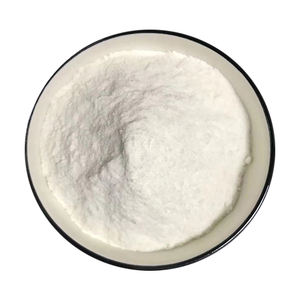
These are the reliable sidekicks to superplasticizers—perfect for everyday pours where extreme fluidity isn’t needed but better finishability is.
6. Time Tamers: Accelerators and Retarders
Concrete doesn’t run on your schedule—but with the right admixture, it kinda does.
Concrete accelerator? That’s your fast-curing concrete additive. It speeds up hydration, perfect for cold weather or when you’re racing against rain. Bonus: it cuts concrete accelerator curing time dramatically.
On the flip side, concrete retarder admixture (or surface retarder concrete for decorative work) slows things down. Hot day? Big pour? No sweat. The admixture retarder gives you extra minutes—or hours—to get it right.
7. Air Entraining: Bubbles That Save Lives
Air entraining concrete sounds counterintuitive—why add air to something meant to be solid? Because those microscopic bubbles act like tiny shock absorbers during freeze-thaw cycles.
An air entraining admixture (or air entraining agent) creates a stable foam of air pockets, preventing cracks in sidewalks, bridges, and driveways in cold climates. It’s not fluff—it’s frost armor.
8. Waterproofing Warriors
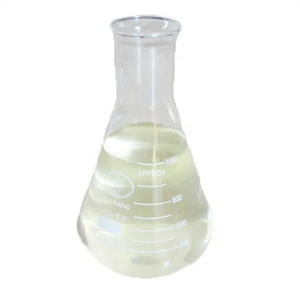
Water and concrete are frenemies. Enter waterproofing admixture solutions: integral waterproofer, crystalline waterproofing admixture, and cement waterproofing additive.
Unlike surface sealers, these mix right in. Crystalline types even grow crystals inside pores to block moisture permanently. Looking for the best admixture for concrete in wet environments? Start here.
And yes—there’s such a thing as concrete waterproof admix or waterproof admix. Contractors whisper about them like secret weapons.
9. Fiber Reinforcement: Hair Today, Stronger Tomorrow
Forget rebar for a sec. Fibers for concrete—polypropylene fibres, steel fibers, even coconut fiber—are having a moment.
Fiber reinforced concrete resists cracking, shrinks less, and handles impact better. Polypropylene fibre (PP fiber concrete) is cheap and effective for slabs. Steel fiber reinforced concrete? That’s for industrial floors and blast-resistant walls.
And no, concrete fiber siding isn’t made of actual hair—but fibercement siding (like Hardie or Certainteed brands) uses cellulose or synthetic fibers for durability and that coveted wood look. Modern concrete siding that looks like wood? Absolutely—and it won’t rot, warp, or invite termites.
10. Foaming Agents and White Cement: The Wild Cards
Want lightweight concrete? Foam it! A concrete foaming agent—protein-based or synthetic—creates aircrete or CLC blocks. Best foaming agent for aircrete? Depends on your budget and density needs, but CLC foaming agent price has dropped thanks to new bio-based options.
Meanwhile, white cement isn’t just pretty—it’s practical. Used in white concrete countertops, architectural finishes, and even waterproof white cement renders, it’s the canvas for colored concrete dreams. Pair it with stamped concrete colors and a good concrete release agent, and you’ve got art underfoot.
11. Choosing the Right Admixture
The best admixture for concrete depends on your project. Need flow? Go superplasticizer. Cold weather? Accelerating admixtures for concrete. Decorative stamped work? Use a surface retarder and powder release agent.
Always check the bio data sheet (technical data sheet, really) and never wing it. Even Chryso admixture or other branded products require proper dosing.
12. Conclusion
Admixtures aren’t just additives—they’re enablers. They let us build taller, faster, greener, and prettier. From superplasticizer admixture to coconut fibre concrete, the toolbox keeps expanding.
So next time you walk on a smooth sidewalk or admire a sleek concrete façade, tip your hat to the unsung chemists and the tiny molecules making it all possible. Because in concrete, as in life, it’s the little things that hold everything together.
Our Website founded on October 17, 2012, is a high-tech enterprise committed to the research and development, production, processing, sales and technical services of ceramic relative materials such as Admixtures. Our products includes but not limited to Boron Carbide Ceramic Products, Boron Nitride Ceramic Products, Silicon Carbide Ceramic Products, Silicon Nitride Ceramic Products, Zirconium Dioxide Ceramic Products, etc. If you are interested, please feel free to contact us.