Concrete4U | Concrete Admixtures, Tools, and Production Machines

10 Essential Things You Need to Know About Admixtures in Modern Concrete Construction
1. Introduction
Just 24 hours ago, a major infrastructure project in Texas announced it would use advanced polycarboxylate ether (PCE)-based superplasticizers to achieve ultra-high-strength, low-permeability concrete for bridge piers—highlighting how critical modern admixtures have become in sustainable, resilient construction. As builders push the limits of what concrete can do, admixtures are no longer optional extras—they’re essential tools.
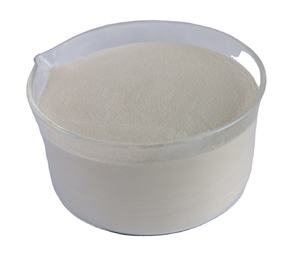
Whether you’re a contractor, engineer, or DIY homeowner looking into concrete siding or colored stamped driveways, understanding admixtures can save time, money, and headaches. Let’s dive into the world of concrete chemicals that quietly shape our built environment.
2. What Are Admixtures?
Admixtures—sometimes spelled ‘ad mixtures’—are ingredients added to concrete before or during mixing to modify its properties. These can be chemical or mineral-based and are used to improve workability, strength, durability, or appearance. The term ‘concrete admixture‘ covers a wide range of products, from simple water reducers to complex crystalline waterproofing systems.
Unlike aggregates or cement, admixtures are used in small quantities (typically less than 5% by weight of cement), yet they deliver outsized performance benefits. They’re indispensable in everything from skyscrapers to backyard patios.
3. Key Types of Concrete Admixture
There are dozens of admixture types, but they generally fall into functional categories. Here are the most common:
- Water reducing admixtures: Improve workability without adding extra water. Includes mid-range and high-range water reducers like superplasticizers.
- Superplasticizer admixture: Also called high-range water reducers, these dramatically increase flow while cutting water content. Polycarboxylate ether (PCE) is the gold standard today.
- Concrete retarder: Slows setting time—ideal for hot weather or long hauls. Often called an ‘admixture retarder’ or ‘surface retarder concrete’ for decorative finishes.
- Concrete accelerator: Speeds up curing. Accelerating admixtures for concrete reduce waiting time, especially in cold climates.
- Air entraining admixture: Introduces microscopic air bubbles to boost freeze-thaw resistance. Also known as ‘air entraining agent’ or ‘air entraining concrete’.
- Waterproofing admixture: Includes integral waterproofers, crystalline systems, and cement waterproofing additives that block moisture penetration.
- Mineral admixture: Supplementary cementitious materials like fly ash or silica fume that enhance long-term strength and sustainability.
4. Superplasticizers: The Game-Changer in Concrete Chemistry
Superplasticizers—also marketed as ‘super plasticizers’ or ‘plasticizer for concrete’—are among the most transformative concrete additives ever developed. Modern versions like PCE-based superplasticizers offer superior slump retention and lower dosage requirements compared to older naphthalene or melamine types.
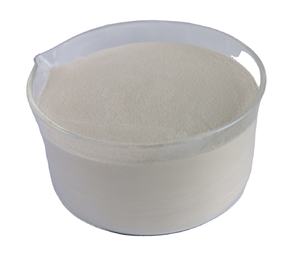
A ‘superplasticizer in concrete’ allows for high-strength, self-consolidating mixes with minimal water. This means fewer voids, higher durability, and easier placement—especially in complex forms or dense rebar zones. Contractors often ask for the ‘best superplasticizer for concrete,’ and PCE formulations consistently top the list due to their efficiency and compatibility.
5. Waterproofing and Durability Enhancers
Waterproofing admixtures protect structures from moisture damage. Options include:
- Integral waterproofer: Mixed directly into the batch.
- Crystalline waterproofing admixture: Reacts with water and cement to form insoluble crystals that seal pores.
- Cement waterproofing additive: Often used in basements, tanks, and foundations.
Brands like Chryso offer specialized ‘waterproofing admixture for concrete’ that meets international standards. These ‘concrete waterproof admix’ solutions are far more reliable than surface coatings alone.
6. Fiber Reinforcement: Beyond Steel Rebar
Fibers for concrete—such as polypropylene fibres, steel fibers, or even coconut fiber—are increasingly popular as secondary reinforcement. They control cracking, improve impact resistance, and reduce the need for traditional mesh.
You’ll see terms like ‘fiber reinforced concrete,’ ‘steel fiber reinforced concrete,’ or ‘pp fiber concrete’ on spec sheets. For residential uses, ‘concrete fiber siding’ (also sold as Hardie or CertainTeed fiber cement siding) mimics wood grain while offering fire and pest resistance. Though ‘concrete siding cost’ varies, its longevity often justifies the investment.
7. Foaming Agents and Lightweight Concrete
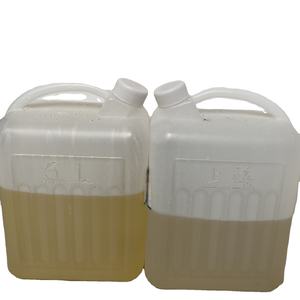
Foaming agents create cellular or foam concrete—used in insulation blocks, void filling, and lightweight panels. A ‘clc foaming agent’ (for Cellular Lightweight Concrete) generates stable foam when mixed with cement slurry.
Options include protein-based or synthetic foaming agents. While some seek a ‘homemade foaming agent for concrete,’ commercial products ensure consistent bubble structure and strength. Equipment like ‘foamcrete machines’ automate this process on large sites.
8. Color, Release Agents, and Aesthetics
Modern concrete isn’t just gray. ‘Colored concrete’ uses pigments (often ‘colored concrete powder’) to create vibrant driveways, floors, or walls. ‘Stamped concrete colors’ range from charcoal to terra cotta, with patterns mimicking stone or brick.
To prevent sticking during stamping, contractors use ‘concrete release agent’—available as powders or sprays. These also add subtle color accents. Popular choices include ‘water based release agent’ or ‘powder release agent for concrete.’
9. White Cement and Specialty Finishes
White cement—distinct from gray Portland cement—is prized for architectural finishes, countertops, and tile grout. It’s more expensive (‘white cement price’ runs higher per kg), but offers a clean, bright base for ‘tinted concrete’ or ‘white stained concrete.’ Many use ‘white cement for waterproofing’ in decorative wet areas due to its refined particle size.
10. Choosing the Best Admixture for Your Project
The ‘best admixture for concrete’ depends entirely on your needs. Ask:
- Do I need faster curing? → Use a concrete accelerator.
- Pouring in summer heat? → Add a concrete retarder admixture.
- Building a basement wall? → Consider a crystalline waterproofing admixture.
- Creating a polished floor? → Opt for a high-range water reducer like PCE superplasticizer.
Always consult technical data sheets and consider compatibility with other concrete chemicals. Major suppliers provide detailed guidance on dosage, mixing, and performance expectations.
Conclusion
From superplasticizers that enable record-breaking skyscrapers to fiber-reinforced siding that beautifies homes, admixtures are the unsung heroes of modern concrete. Understanding ‘concrete admixture types’ and their applications empowers better decisions—whether you’re specifying a mix for a dam or choosing ‘concrete siding for homes’ at Home Depot. As innovation continues (like carbon fiber reinforcement in concrete), one thing is clear: the future of construction is being shaped, molecule by molecule, in the admixture tank.
Our Website founded on October 17, 2012, is a high-tech enterprise committed to the research and development, production, processing, sales and technical services of ceramic relative materials such as 10. Our products includes but not limited to Boron Carbide Ceramic Products, Boron Nitride Ceramic Products, Silicon Carbide Ceramic Products, Silicon Nitride Ceramic Products, Zirconium Dioxide Ceramic Products, etc. If you are interested, please feel free to contact us.