Concrete4U | Concrete Admixtures, Tools, and Production Machines

7 Essential Steps to Choose and Use Concrete Admixtures Like a Pro
1. Introduction
Just 24 hours ago, a major construction firm in Texas reported a 30% reduction in concrete cracking on a high-rise project by switching to a polycarboxylate ether (PCE)-based superplasticizer combined with polypropylene fibers. This real-world success highlights how the right admixture strategy can dramatically improve performance—and why understanding concrete admixtures matters more than ever.
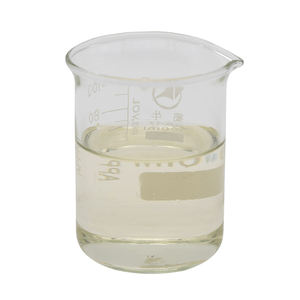
Whether you’re pouring a backyard patio or managing a commercial build, choosing the correct concrete admixture can save time, cut costs, and boost durability. But with dozens of options—from superplasticizers to crystalline waterproofing admixtures—it’s easy to feel overwhelmed. This guide breaks it down into 7 simple steps so you can use admixtures like a pro.
2. Identify Your Concrete Challenge
Before grabbing any concrete chemicals off the shelf, ask: What problem are you solving?
- Need faster curing? Look at accelerating admixtures for concrete.
- Pouring in hot weather? A concrete retarder admixture will slow setting time.
- Worried about freeze-thaw damage? Air entraining admixture is essential.
- Want a smoother pour with less water? Water reducing admixtures like superplasticizer in concrete are your go-to.
Matching the admixture to your specific need ensures you don’t overpay or underperform.
3. Understand the Main Admixture Types
Not all concrete additives work the same way. Here’s a quick breakdown of common admixture types:
- Superplasticizers (also called high-range water reducers): Reduce water content by up to 40% while boosting flow. Polycarboxylate ether (PCE) types are now preferred over older naphthalene or melamine versions.
- Concrete accelerators: Shorten curing time—ideal for cold-weather pours or fast-track projects.
- Concrete retarders: Delay setting, useful in summer heat or for long hauls.
- Air entraining agents: Create microscopic air bubbles that protect against freeze-thaw cycles.
- Waterproofing admixtures: Include integral waterproofers and crystalline waterproofing admixture that block moisture from within.
- Fiber reinforcement: Polypropylene fibres for concrete, steel fibers, or even coconut fiber concrete add tensile strength and reduce cracking.
These categories cover most needs, but always check compatibility before mixing multiple admixtures.
4. Choose the Best Admixture for Concrete Based on Conditions
The ‘best admixture for concrete’ depends entirely on your environment and goals.
For example, if you’re using concrete siding for homes in a rainy climate, a concrete waterproof admix or cement waterproofing additive is wise. In contrast, stamped concrete colors require smooth, workable mixes—so a plasticizer for concrete or superplasticizer admixture helps achieve fine detail without excess water.
Hot climates? Use an admixture retarder or surface retarder concrete to prevent flash setting. Cold areas? Fast curing concrete additives or concrete accelerator curing time enhancers keep things moving.
Pro tip: Brands like Chryso admixture offer tailored solutions, but generic PCE-based superplasticizers often deliver similar performance at lower cost.
5. Measure and Mix Correctly
Even the best admixture fails if dosed wrong. Always follow manufacturer guidelines—but here are general rules:
- Superplasticizers: Typically 0.5–2% by weight of cement. Overdosing causes segregation.
- Air entraining concrete admixtures: Aim for 4–7% air content in freeze-prone zones.
- Fibers: Add 0.5–1.5 kg per cubic meter for polypropylene; steel fibers may require 20–50 kg/m³.
- Waterproofing admixture: Dosage varies—crystalline types often need 1–2% of cement weight.
Add liquid admixtures to mix water first. Dry additives (like fibers or powder release agents) go in with aggregates. Never add superplasticizer after initial set begins—it won’t work.
6. Avoid Common Mixing Mistakes
Here’s what trips up even experienced crews:
- Combining incompatible admixtures (e.g., some accelerators clash with certain superplasticizers).
- Using expired or improperly stored concrete chemicals.
- Ignoring temperature: Superplasticizer performance drops below 5°C (41°F).
- Adding too much water to compensate for poor workability—defeats the purpose of water reducers!
When in doubt, run a small trial batch. Test slump, set time, and finishability before full-scale use.
7. Special Applications: Siding, Stamped Concrete & Foamed Mixes
Different projects need specialized approaches.
For concrete fiber siding or fibercement siding, use fiber reinforced concrete with PP or steel fibers to prevent warping and cracking. Home Depot concrete siding often uses pre-mixed fiberfor concrete formulas—check specs before DIY.
Stamped concrete? Pair a concrete form release agent (powder or spray) with tinted concrete for rich colors. Use a water-based release agent to avoid discoloration.
Making foam concrete? A quality foaming agent for foam concrete—like protein-based or synthetic CLC foaming agent—is critical. Dosage affects density and strength, so calibrate carefully.
8. Conclusion
Concrete admixtures aren’t magic—but used correctly, they’re the closest thing. By matching the right admixture type to your challenge, measuring precisely, and avoiding common errors, you’ll get stronger, longer-lasting results. Whether you’re using a simple plasticizer admixture or advanced crystalline waterproofing admixture, these 7 steps put professional-grade control in your hands.
Our Website founded on October 17, 2012, is a high-tech enterprise committed to the research and development, production, processing, sales and technical services of ceramic relative materials such as 7. Our products includes but not limited to Boron Carbide Ceramic Products, Boron Nitride Ceramic Products, Silicon Carbide Ceramic Products, Silicon Nitride Ceramic Products, Zirconium Dioxide Ceramic Products, etc. If you are interested, please feel free to contact us.