Concrete4U | Concrete Admixtures, Tools, and Production Machines

Master the Magic of Admixtures: Boost Your Concrete Game Today!
1. Introduction
Just 24 hours ago, a major infrastructure project in Texas broke ground using a next-gen concrete mix loaded with polycarboxylate ether superplasticizer—cutting water use by 30% while boosting early strength. Why? Because modern construction runs on smart chemistry, not just cement and sweat. Enter admixtures: the secret sauce that transforms bland concrete into high-performance material.
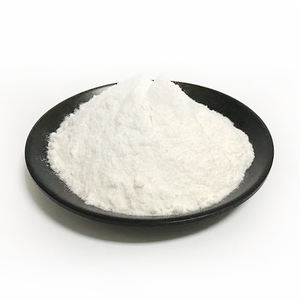
If concrete were a smoothie, admixtures would be the protein powder, kale, and espresso shot rolled into one. They’re not optional extras—they’re essential tools that tailor concrete to specific needs, whether you’re building a skyscraper or a backyard patio that mimics weathered oak.
2. What Are Admixtures, Really?
Admixtures (sometimes spelled ‘ad mixtures’—but don’t tell the chemists) are chemical or mineral additives mixed into concrete before or during batching. They tweak everything from setting time to durability, workability, and even color. Think of them as the spice rack of construction.
Unlike basic ingredients like cement, sand, and water, admixtures are used in small doses—but their impact is massive. And no, you can’t just toss in baking soda and call it a day. These are precision-engineered concrete chemicals designed for exact outcomes.
3. The Big Families of Concrete Admixture Types
Not all admixtures wear capes, but they all have superpowers. Here’s a quick tour of the main categories:
- Water reducing admixtures (like concrete water reducers and superplasticizers) slash water content without sacrificing flow—hello, stronger concrete!
- Accelerating admixtures for concrete speed up curing. Perfect when you need fast curing concrete additives to beat a rainstorm.
- Concrete retarder admixtures do the opposite—they delay setting. Great for hot climates or complex pours.
- Air entraining admixtures inject microscopic bubbles, making concrete frost-resistant. Yes, air entraining concrete is a thing—and it’s brilliant in freeze-thaw zones.
- Waterproofing admixtures (including crystalline waterproofing admixture and integral waterproofer) block moisture like a bouncer at a VIP club.
- Mineral admixtures like fly ash or silica fume enhance long-term strength and sustainability.
4. Superplasticizers: The Rockstars of Concrete Chemistry
If there’s a MVP among concrete additives, it’s the superplasticizer. Also called super plasticizers or high-range water reducers, these bad boys let you create ultra-flowing, self-consolidating concrete with way less water.
Modern superplasticizer admixtures—especially polycarboxylate ether (PCE)-based ones—are game-changers. They offer better slump retention, lower dosage needs, and compatibility with diverse cements. Melamine or naphthalene-based versions still exist, but PCE is the gold standard today.
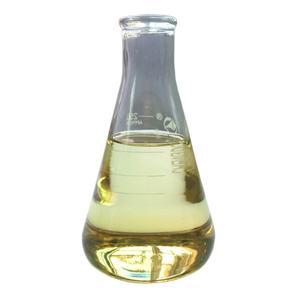
Need the best superplasticizer for concrete? Look for products labeled ‘polycarboxylate superplasticizer’—they’re efficient, eco-friendlier, and often sold by brands like Chryso admixture lines. Bonus: they double as excellent plasticizer for concrete when mid-range flow is enough.
5. Waterproofing & Durability Boosters
Water is concrete’s frenemy—it’s needed to cure, but too much invites cracks, spalls, and mold. That’s where waterproof admixtures shine.
Concrete waterproofing additives come in two main flavors: pore blockers (like cement waterproofing additive) and crystalline types that grow internal crystals to seal micro-cracks. Both fall under admixture waterproofing solutions and are vital for basements, bridges, and pools.
Don’t confuse surface sealers with integral waterproof admix! True concrete waterproof admix works from within—no reapplication needed. It’s the difference between a raincoat and waterproof skin.
6. Fiber Reinforcement: Beyond Steel Rebar
Fibers for concrete aren’t just trendy—they’re transformative. From polypropylene fibres for concrete to steel fibers for concrete and even coconut fiber reinforced concrete (yes, really!), reinforcement fiber for concrete adds toughness, reduces cracking, and improves impact resistance.
Fiber reinforced concrete is now standard in industrial floors, shotcrete, and even siding. Speaking of which—concrete fiber siding (a.k.a. fibercement siding) mimics wood grain beautifully. Brands like Hardie and CertainTeed dominate this space, offering concrete siding that looks like wood without the rot.
Macro fibers, microfibers, carbon fiber reinforcement in concrete—each serves a purpose. PP fiber concrete handles plastic shrinkage; steel fiber reinforced concrete tackles heavy loads. And no, Home Depot concrete siding won’t warp like cedar.
7. Color, Release, and Aesthetic Tricks
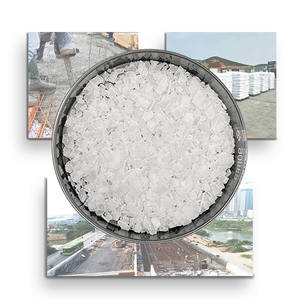
Want charcoal stamped concrete or terra cotta concrete color? Colored concrete starts with pigments—often concrete stain powder or colored concrete powder mixed right in.
Then there’s the release agent dance. Whether you use a water-based release agent, powder release agent, or spray release agent, it keeps your stamp from sticking. Brickform liquid release? A pro favorite. DIY concrete release agent? Possible—but risky if you value your patterned concrete colours.
And white cement? It’s not just for tiles. White concrete for countertops, white concrete pavers, and even waterproof white cement mixes are rising in popularity for clean, modern designs.
8. Foaming Agents & Lightweight Concrete
Foam agent for lightweight concrete creates airy, insulating blocks—ideal for CLC (cellular lightweight concrete). Protein-based foaming agents and synthetic foaming agent for concrete both work, but stability matters more than price.
Best foaming agent for aircrete? Look for consistent bubble structure and compatibility with your mix. Homemade foaming agent for concrete might save cash, but commercial CLC foaming agent ensures reliability—especially in structural applications.
9. Choosing the Best Admixture for Concrete
The ‘best admixture for concrete’ depends entirely on your project. Need rapid strength? Go for concrete accelerator curing time enhancers. Pouring in summer heat? A concrete retarder admixture saves the day. Building near the ocean? Air entraining agent plus waterproofing admixture for concrete is non-negotiable.
Always check the bio data sheet (technical datasheet) before buying. And remember: even the best superplasticizer near me won’t fix poor mixing practices.
10. Conclusion
Admixtures turn ordinary concrete into a tailored, high-performance material fit for everything from lunar bases (maybe soon!) to backyard patios that look like reclaimed barn wood. Whether you’re dosing in superplasticizer admixture, sprinkling polypropylene fibre, or sealing with crystalline waterproofing admixture, you’re not just mixing—you’re engineering.
So next time someone says ‘it’s just concrete,’ wink and whisper: ‘It’s the admixtures, darling.’
Our Website founded on October 17, 2012, is a high-tech enterprise committed to the research and development, production, processing, sales and technical services of ceramic relative materials such as Master. Our products includes but not limited to Boron Carbide Ceramic Products, Boron Nitride Ceramic Products, Silicon Carbide Ceramic Products, Silicon Nitride Ceramic Products, Zirconium Dioxide Ceramic Products, etc. If you are interested, please feel free to contact us.