Concrete-mesa | Concrete Admixtures, Tools, and Production Machines

Admixtures Are Revolutionizing Modern Concrete—Here’s Everything You Need to Know
1. Introduction
Just 24 hours ago, a major breakthrough in sustainable construction was announced: researchers at MIT unveiled a new polycarboxylate ether (PCE)-based superplasticizer that reduces cement use by 20% while maintaining strength. This innovation highlights how concrete admixtures are no longer just additives—they’re game-changers in eco-friendly building. If you’ve ever wondered what makes modern concrete stronger, faster-curing, or even waterproof, the answer lies in admixtures.
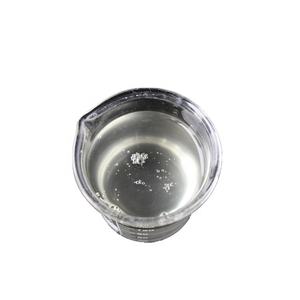
In simple terms, admixtures are ingredients added to concrete before or during mixing to modify its properties. Whether you’re pouring a driveway, building a skyscraper, or crafting decorative stamped concrete, the right admixture can make all the difference.
2. What Are Admixtures?
Admixtures—sometimes spelled ‘ad mixtures’—are chemical or mineral substances blended into concrete mixes to enhance performance. These concrete additives can improve workability, control setting time, add color, increase durability, or introduce air bubbles for freeze-thaw resistance.
They fall into two broad categories: chemical admixtures and mineral admixtures. Chemical admixtures include liquids or powders like superplasticizers and accelerators, while mineral admixtures—such as fly ash or silica fume—are finely ground materials that react with cement.
3. Common Types of Concrete Admixtures
Understanding admixture types helps you choose the best admixture for concrete in any project. Here’s a quick breakdown:
- Water reducing admixtures: Improve workability without adding extra water. Includes mid-range and high-range water reducers like superplasticizers.
- Superplasticizer admixture: Also called high-range water reducers, these allow for very fluid concrete with minimal water—ideal for complex forms or self-consolidating mixes.
- Concrete accelerator: Speeds up curing time, especially useful in cold weather. Accelerating admixtures for concrete help achieve early strength quickly.
- Concrete retarder: Delays setting time, perfect for hot climates or long hauls. A concrete retarder admixture gives more time for placement and finishing.
- Air entraining admixture: Introduces tiny air bubbles to protect against freeze-thaw damage. Air entraining concrete is standard in northern climates.
- Waterproofing admixture: Adds integral waterproofer properties. Options include crystalline waterproofing admixture and cement waterproofing additive.
- Fiber reinforcement: Adds fibers like polypropylene, steel, or even coconut fiber for crack control and toughness.
4. Superplasticizers: The Powerhouse of Modern Concrete
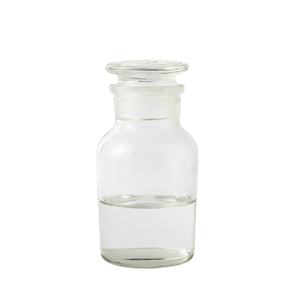
Superplasticizers—also known as super plasticizers or concrete plasticisers—are among the most widely used chemical admixtures today. Made from polycarboxylate ether (PCE), naphthalene, or melamine sulfonates, they dramatically increase flow without compromising strength.
A superplasticizer in concrete can reduce water content by up to 40%, leading to higher compressive strength and durability. PCE-based superplasticizers are now preferred for their efficiency and compatibility with modern cements.
Whether labeled as a plasticizer for concrete, concrete water reducer, or superplasticizer admixture for concrete, this additive is essential for high-performance applications like bridges, precast elements, and architectural concrete.
5. Waterproofing and Specialty Additives
Waterproof admix solutions have evolved beyond surface coatings. Today’s integral waterproofer options—like crystalline waterproofing admixture—react chemically within the concrete matrix to block water penetration permanently.
Other specialty concrete chemicals include:
- Concrete waterproofing additive: Creates hydrophobic barriers inside the mix.
- Admixture waterproofing: Used in basements, tunnels, and water tanks.
- Foaming agents: For lightweight foam concrete (aircrete), protein-based or synthetic foaming agents create stable cellular structures. CLC foaming agent is popular for making lightweight blocks.
- Release agents: Essential for stamped concrete, these prevent sticking to molds. Options include powder release agent, spray release, and water-based release agents in various colors.
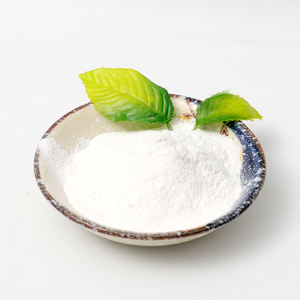
6. Fiber Reinforcement: Beyond Steel Rebar
Fiber reinforced concrete is gaining traction for its ability to control cracking and improve impact resistance. Fibers for concrete come in many forms:
- Polypropylene fibres for concrete: Microfibers that reduce plastic shrinkage cracks.
- Steel fibers for concrete: Used in industrial floors and shotcrete.
- Macro fibers and natural options like coconut fiber reinforced concrete: Offer sustainable alternatives.
Products like Fibermesh concrete or fiberfor concrete mixes integrate reinforcement directly into the batch, eliminating the need for secondary mesh in many cases. This also applies to concrete siding—modern fibercement siding (e.g., Hardie or Certainteed) uses fiber reinforcement for durability and wood-like aesthetics.
7. Color, Finish, and Aesthetics
Colored concrete isn’t just paint—it often starts with integral pigments. Colored concrete powder or concrete stain powder can be mixed directly into the batch.
For stamped concrete, contractors use stamp colors combined with release agents to create realistic patterns like brick, stone, or wood grain. Popular choices include charcoal stamped concrete, terra cotta concrete color, and gray stamped concrete.
White cement is another aesthetic favorite—used for white concrete countertops, pavers, or clean modern finishes. It’s made from white Portland cement and often paired with superplasticizers for smooth casting.
8. Choosing the Right Admixture
The best admixture for concrete depends on your project’s needs. Ask yourself:
- Do I need faster curing? Use a concrete accelerator.
- Is cold weather a concern? Consider air entraining agent for freeze-thaw protection.
- Want crack resistance? Add polypropylene fibre or steel fiber reinforced concrete.
- Need waterproofing? Go for a crystalline waterproofing admixture or integral waterproofer.
Brands like Chryso offer tailored solutions, but always check compatibility with your cement type and local conditions.
9. Conclusion
From superplasticizers that enable ultra-high-strength mixes to fibers that replace traditional rebar, admixtures are transforming how we build. Whether you’re a DIYer using Home Depot concrete siding or an engineer specifying fast curing concrete additives for a dam, understanding admixture types empowers smarter, more sustainable construction. As innovations like MIT’s new PCE formula show, the future of concrete is being shaped—one admixture at a time.
Our Website founded on October 17, 2012, is a high-tech enterprise committed to the research and development, production, processing, sales and technical services of ceramic relative materials such as Admixtures. Our products includes but not limited to Boron Carbide Ceramic Products, Boron Nitride Ceramic Products, Silicon Carbide Ceramic Products, Silicon Nitride Ceramic Products, Zirconium Dioxide Ceramic Products, etc. If you are interested, please feel free to contact us.