Concrete4U | Concrete Admixtures, Tools, and Production Machines

10 Essential Types of Admixtures Every Concrete Pro Should Know
1. Introduction
Ever wonder how modern concrete achieves such incredible strength, workability, or even that sleek wood-like finish on home siding? The secret lies in admixtures—specialized additives mixed into concrete to tweak its properties. Whether you’re a contractor, DIYer, or just curious about construction tech, understanding admixtures can help you choose the best admixture for concrete in any project.
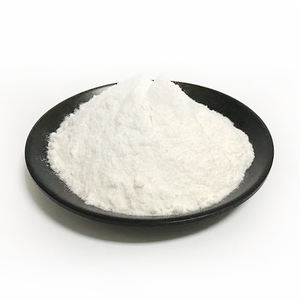
Admixtures aren’t just optional extras—they’re essential tools that solve real problems like slow curing, cracking, water damage, or poor flow. Let’s break down the top 10 types of admixtures you need to know.
2. Water-Reducing Admixtures
Water-reducing admixtures are among the most common concrete additives. They allow you to cut back on mixing water without sacrificing workability—boosting strength and durability.
These include mid-range and high-range water reducers. Superplasticizers fall into the high-range category and are especially powerful.
- Concrete water reducer types improve compressive strength by lowering the water-cement ratio.
- Superplasticizer in concrete can reduce water content by up to 30% while maintaining flow.
- Popular options include polycarboxylate ether (PCE) and naphthalene-based superplasticizers.
2.1 Superplasticizers: The Game-Changer
Superplasticizers—also called super plasticizers or high-range water reducers—are vital for high-performance concrete. They disperse cement particles efficiently, creating a smoother, more fluid mix.
Polycarboxylate-based superplasticizers are now the industry standard due to their long-lasting effect and compatibility with modern cements.
You’ll often see them labeled as ‘superplasticizer admixture’ or ‘concrete superplasticizer additive’ at suppliers like Home Depot.
3. Retarding and Accelerating Admixtures
Sometimes you need concrete to set slower—like in hot weather. Other times, you want it to cure fast. That’s where retarders and accelerators come in.
Concrete retarder admixtures delay hydration, giving crews more time to place and finish. Surface retarder concrete is used for exposed aggregate finishes.
On the flip side, accelerating admixtures for concrete shorten curing time—ideal for cold climates or fast-track projects. A concrete accelerator can significantly reduce concrete accelerator curing time.
4. Air-Entraining Admixtures
Air entraining concrete contains millions of microscopic air bubbles that act like tiny pressure valves during freeze-thaw cycles.
An air entraining admixture (or air entraining agent) improves durability in cold regions by preventing internal cracking.
Don’t confuse this with foam concrete—it’s not about lightweight fill but frost resistance. Look for terms like ‘air entraining cement’ or ‘air entraining concrete’ on product labels.
5. Waterproofing Admixtures
Keeping water out is critical for basements, roofs, and foundations. Waterproofing admixtures make concrete inherently resistant to moisture penetration.
Options include integral waterproofer, crystalline waterproofing admixture, and cement waterproofing additive.
These concrete waterproofing additives react with cement to form insoluble crystals that block capillaries—making them far more effective than surface sealers alone.
Brands like Chryso offer advanced admixture waterproofing solutions trusted worldwide.
6. Mineral Admixtures
Mineral admixtures like fly ash, silica fume, and slag are supplementary cementitious materials that enhance long-term strength and reduce heat buildup.
Unlike chemical admixtures, these are added in larger quantities and partially replace Portland cement.
They also improve sustainability—cutting CO2 emissions and repurposing industrial byproducts.
7. Fiber Reinforcement
Fibers add tensile strength and crack control without traditional rebar. This is where terms like fiber reinforced concrete, steel fiber reinforced concrete, and polypropylene fibres for concrete come into play.
Common types include:
- Polypropylene fibre (PP fiber concrete): great for reducing plastic shrinkage cracks.
- Steel fibers for concrete: boost impact resistance in industrial floors.
- Carbon fiber reinforcement in concrete: used in high-tech structural applications.
- Even natural options like coconut fiber reinforced concrete are emerging in eco-building.
Fiberfor concrete mixes are now standard in precast elements, overlays, and even concrete siding.
8. Foaming Agents for Lightweight Concrete
Need ultra-light concrete for insulation or void filling? Enter foaming agents.
A concrete foaming agent creates stable air bubbles, producing cellular concrete or CLC (cellular lightweight concrete).
Protein-based and synthetic foaming agents are common. CLC foaming agent price varies, but quality matters—cheap versions collapse easily.
Used with a concrete foaming machine, these agents enable everything from roof decks to insulated blocks.
9. Coloring and Release Agents
For decorative concrete—think stamped driveways or colored patios—colorants and release agents are key.
Colored concrete uses pigments like concrete stain powder or colored concrete powder. Stamped concrete colors range from charcoal to terra cotta.
Form release agents (spray or powder) prevent stamps from sticking. Options include water-based release agent, mould release spray, and anti-stick paint.
Popular brands like Brickform Liquid Release ensure clean pattern transfer without surface damage.
10. Specialty Additives for Siding and Finishes
Modern homes increasingly use concrete siding that looks like wood—thanks to advanced admixtures and fiber reinforcement.
Products like Hardie concrete siding or CertainTeed concrete siding combine cement, sand, and cellulose or polymer fibers for durability and aesthetics.
Concrete fiber siding cost is competitive, and options like fibercement siding resist rot, fire, and pests better than real wood.
Additives for mortar and thin-set also benefit from plasticizer admixture and water reducers for better adhesion.
Conclusion
From superplasticizer admixture to crystalline waterproofing and fiber reinforcement, admixtures transform ordinary concrete into a high-performance, versatile building material. Whether you’re pouring a patio, building a skyscraper, or installing concrete siding for homes, choosing the right admixture types makes all the difference. Always match the admixture to your project’s climate, timeline, and performance needs—and never underestimate the power of a well-formulated concrete chemical.
Our Website founded on October 17, 2012, is a high-tech enterprise committed to the research and development, production, processing, sales and technical services of ceramic relative materials such as 10. Our products includes but not limited to Boron Carbide Ceramic Products, Boron Nitride Ceramic Products, Silicon Carbide Ceramic Products, Silicon Nitride Ceramic Products, Zirconium Dioxide Ceramic Products, etc. If you are interested, please feel free to contact us.