Concrete-mesa | Concrete Admixtures, Tools, and Production Machines

Admixtures Are Revolutionizing Modern Concrete—Here’s Everything You Need to Know
1. Introduction
Just 24 hours ago, a major breakthrough was announced by researchers at MIT: a new generation of bio-based superplasticizers that reduce carbon emissions by up to 30% while improving concrete flowability. This innovation underscores the growing importance of admixtures in sustainable construction—and why understanding them matters more than ever.
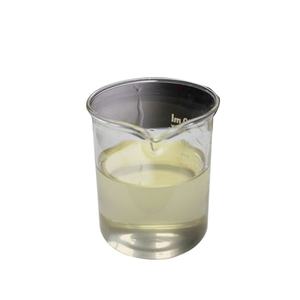
Whether you’re a contractor, architect, or DIY enthusiast, knowing how admixtures work can dramatically improve your concrete outcomes. In this guide, we’ll break down everything about admixtures—from basic definitions to advanced types like crystalline waterproofing admixtures and polycarboxylate ether superplasticizers.
2. What Are Admixtures?
Admixtures are ingredients added to concrete before or during mixing to modify its properties. Also called concrete additives or concrete chemicals, they serve specific purposes such as accelerating setting time, reducing water content, or enhancing durability. The term ‘ad mixtures’ is sometimes used informally, but industry professionals refer to them as chemical admixtures for concrete.
Modern construction rarely uses plain concrete. Instead, tailored admixture types help meet performance demands—whether it’s fast curing concrete additives for emergency repairs or surface retarder concrete for decorative finishes.
3. Common Types of Concrete Admixture
There are dozens of admixture types, but they generally fall into functional categories. Here’s a look at the most widely used:
- Water reducing admixtures (also known as concrete water reducers) cut the amount of mixing water needed, boosting strength without sacrificing workability. Superplasticizer in concrete is a high-range version of this type.
- Concrete accelerator and accelerating admixtures for concrete shorten curing time—ideal for cold-weather pours or when quick turnaround is essential. These directly affect concrete accelerator curing time.
- Concrete retarder and admixture retarder delay setting, useful in hot climates or for complex placements. A surface retarder concrete is often used in stamped concrete applications.
- Air entraining admixture introduces microscopic air bubbles, improving freeze-thaw resistance. This includes air entraining agent and air entraining cement formulations.
- Waterproofing admixture options like integral waterproofer, cement waterproofing additive, and crystalline waterproofing admixture protect structures from moisture damage. Products like concrete waterproof admix and waterproof admix are increasingly popular in basements and tunnels.
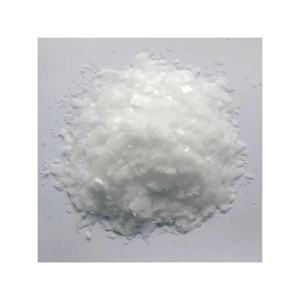
4. Superplasticizers: The Game-Changer in Concrete Flow
Among all concrete admixture types, superplasticizers stand out for their ability to drastically increase fluidity without adding water. Often labeled as super plasticizers or plasticizer for concrete, these include naphthalene-based, melamine-based, and the latest polycarboxylate ether (PCE) formulas.
Polycarboxylate superplasticizer offers superior slump retention and is considered the best superplasticizer for concrete in high-performance applications. Brands like Chryso admixture use PCE technology to deliver consistent results. Whether you search for ‘superplasticizer near me’ or ‘superplasticizer Home Depot,’ you’ll find these vital concrete additives widely available.
Superplasticizer admixture allows for self-consolidating concrete, reduces cement usage, and enhances finish quality—making it a staple in modern mixes.
5. Fiber Reinforcement: Beyond Traditional Rebar
Fibers for concrete add tensile strength, crack resistance, and impact durability. Options range from polypropylene fibres for concrete (common in slabs and pavements) to steel fibers for concrete (used in industrial floors and blast-resistant structures).
Innovations include carbon fiber reinforced concrete for ultra-high-strength needs and even coconut fiber reinforced concrete for eco-friendly builds. Terms like fiber reinforced concrete, concrete with fiber reinforcement, and fibermesh concrete describe these advanced composites.
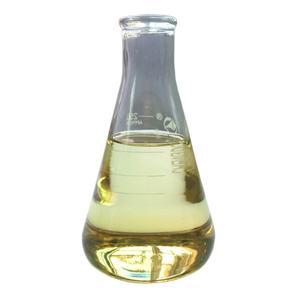
For siding applications, products like Hardie concrete siding and CertainTeed concrete siding use fiber cement technology—often called fibercement siding or concrete fiber siding—to mimic wood grain while offering fire and pest resistance. Home Depot concrete siding options have made this material accessible for residential use, with concrete siding cost varying based on finish and brand.
6. Specialty Additives: Color, Release, and Foam
Beyond performance, admixtures also enhance aesthetics. Colored concrete relies on tinted concrete powders, while stamped concrete colors and patterns use release agents like concrete form release oil or spray release agent to prevent sticking and add secondary hues.
Foaming agents create lightweight cellular concrete. CLC foaming agent, protein based foaming agent, and synthetic foaming agent for concrete are used in foamcrete machines to produce insulating blocks or void-filling grouts. The best foaming agent for aircrete depends on density requirements and budget—clc foaming agent price varies accordingly.
White cement is another specialty product, prized for white concrete countertops, tiles, and architectural elements. Its higher cost reflects purity and aesthetic value, with universal white cement serving both structural and decorative roles.
7. Choosing the Best Admixture for Concrete
The best admixture for concrete depends on your project goals. Need rapid strength gain? Use a concrete accelerator. Pouring in summer heat? A concrete retarder admixture helps. For waterproof basements, consider a crystalline waterproofing admixture or integral waterproofer.
Always check compatibility between admixtures—some combinations can cause adverse reactions. Consult technical data sheets (sometimes called bio data sheet in error) and follow manufacturer guidelines for dosage and mixing procedures.
8. Conclusion
From superplasticizer admixture to fiberfor concrete and concrete waterproofing additive, modern admixtures empower builders to push the limits of what concrete can do. As sustainability and performance drive innovation—like MIT’s new bio-superplasticizers—the role of admixtures will only grow. Understanding these concrete chemicals isn’t just technical know-how; it’s the key to smarter, stronger, and more beautiful structures.
Our Website founded on October 17, 2012, is a high-tech enterprise committed to the research and development, production, processing, sales and technical services of ceramic relative materials such as Admixtures. Our products includes but not limited to Boron Carbide Ceramic Products, Boron Nitride Ceramic Products, Silicon Carbide Ceramic Products, Silicon Nitride Ceramic Products, Zirconium Dioxide Ceramic Products, etc. If you are interested, please feel free to contact us.