Concrete4U | Concrete Admixtures, Tools, and Production Machines

Superplasticizers vs. Traditional Water Reducers: Which Concrete Admixture Delivers Better Performance?
1. Introduction
Just 24 hours ago, a major infrastructure project in Texas made headlines by switching from conventional naphthalene-based superplasticizers to polycarboxylate ether (PCE) formulations to achieve higher early-strength concrete with lower water content—cutting curing time by nearly 30%. This real-world pivot highlights a growing industry shift toward high-performance concrete admixtures that offer sustainability, efficiency, and durability.
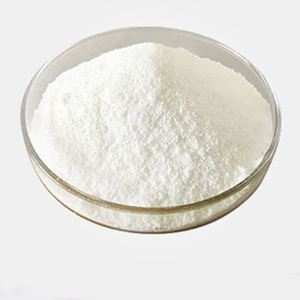
Concrete admixtures have evolved from simple additives to sophisticated chemical solutions that fine-tune everything from workability to longevity. Among the most critical are water reducers—especially superplasticizers—which dramatically improve flow without compromising strength. But not all superplasticizers are created equal. Let’s break down how traditional and modern options stack up.
2. Understanding Water Reducing Admixtures
Water reducing admixtures are essential for controlling the water-cement ratio—the single biggest factor affecting concrete strength and durability. By reducing water content while maintaining workability, these admixtures yield denser, stronger, and more durable concrete.
There are three main categories:
- Mid-range water reducers (MRWR): Reduce water by 5–10%.
- High-range water reducers (HRWR), also known as superplasticizers: Cut water by 12–40%.
- Conventional plasticizers: Offer modest water reduction (5–10%) but are less efficient than HRWRs.
The term ‘superplasticizer’ is often used interchangeably with ‘high-range water reducer,’ though technically, superplasticizers are a subset of HRWRs with superior dispersion capabilities.
3. Naphthalene-Based Superplasticizers: The Legacy Option
Naphthalene sulfonate formaldehyde condensate (NSF or SNF) has been a go-to superplasticizer since the 1960s. It’s widely available, cost-effective, and compatible with most cement types.
Advantages include:
- Proven track record in precast and ready-mix concrete.
- Good slump retention for short hauls.
- Lower cost compared to newer alternatives.
However, it has notable drawbacks:
- Shorter slump life—workability drops quickly, requiring precise timing.
- Higher dosage needed for equivalent performance vs. PCEs.
- Environmental concerns due to formaldehyde content.
Despite its age, naphthalene-based superplasticizer remains popular in regions where cost trumps performance optimization.
4. Polycarboxylate Ether (PCE) Superplasticizers: The Modern Standard
Polycarboxylate ether (PCE) superplasticizers represent the cutting edge in concrete chemistry. These molecules use steric hindrance—not just electrostatic repulsion—to disperse cement particles, resulting in unparalleled fluidity and stability.
Key benefits:
- Ultra-high water reduction (up to 40%).
- Extended slump retention—ideal for long-distance transport or hot weather.
- Lower dosage requirements (typically 0.1–0.3% by cement weight).
- Eco-friendlier formulation with no formaldehyde.
PCE-based superplasticizers also enable self-consolidating concrete (SCC), ultra-high-performance concrete (UHPC), and other advanced mixes. Brands like Chryso offer tailored PCE admixtures for specific applications, from fast-curing concrete additives to fiber-reinforced systems.
The main downside? Higher upfront cost and sensitivity to cement chemistry—requiring compatibility testing before large-scale use.
5. Beyond Superplasticizers: Other Critical Admixture Types
While superplasticizers dominate discussions, other concrete admixtures play vital roles:
- Concrete accelerator: Speeds up setting and early strength gain—essential for cold-weather pours or fast-track projects.
- Concrete retarder: Delays hydration, useful in hot climates or complex placements.
- Air entraining admixture: Introduces microscopic air bubbles to improve freeze-thaw resistance—critical for roads and bridges in northern climates.
- Integral waterproofer / waterproofing admixture: Includes crystalline waterproofing admixtures that react with moisture to seal pores from within.
Mineral admixtures like fly ash or silica fume also enhance durability but function differently than chemical admixtures.
6. Specialized Applications: Fibers, Foaming Agents, and Color
Modern concrete isn’t just about strength—it’s about functionality. Fiber reinforcement (polypropylene, steel, or even coconut fiber) improves crack resistance and impact toughness. Products like Fibermesh integrate seamlessly with superplasticizers.
For lightweight construction, foaming agents create cellular concrete (aircrete), with protein-based or synthetic options affecting bubble stability and density.
And aesthetics matter too: colored concrete, stamped patterns, and release agents allow designers to mimic wood, stone, or brick—making concrete siding (e.g., Hardie or Certainteed products) both durable and beautiful.
7. Choosing the Best Admixture for Concrete
So, which is better: naphthalene or PCE? The answer depends on your priorities.
Choose naphthalene-based if:
- Budget is tight.
- Slump loss isn’t a major concern.
- You’re working with standard structural concrete.
Opt for PCE superplasticizer if:
- You need high flow with low water content.
- Long haul times or hot weather are factors.
- Sustainability and performance are top priorities.
Always consult technical data sheets and conduct trial batches. Remember, the best admixture for concrete isn’t universal—it’s project-specific.
8. Conclusion
The evolution from basic plasticizers to advanced PCE superplasticizers reflects concrete technology’s march toward smarter, greener, and more resilient infrastructure. While traditional water reducers still have their place, modern superplasticizers offer unmatched control over concrete performance. Paired with complementary admixtures—accelerators, air-entrainers, waterproofers, or fibers—they empower builders to meet today’s demanding standards. As seen in recent Texas projects, the future of concrete is fluid, strong, and precisely engineered.
Our Website founded on October 17, 2012, is a high-tech enterprise committed to the research and development, production, processing, sales and technical services of ceramic relative materials such as Superplasticizers. Our products includes but not limited to Boron Carbide Ceramic Products, Boron Nitride Ceramic Products, Silicon Carbide Ceramic Products, Silicon Nitride Ceramic Products, Zirconium Dioxide Ceramic Products, etc. If you are interested, please feel free to contact us.