Concrete4U | Concrete Admixtures, Tools, and Production Machines

7 Must-Know Types of Concrete Admixtures That’ll Make Your Mix Smarter (and Stronger!)
1. Introduction
Let’s face it: plain concrete is kind of boring. It’s like a blank canvas… if that canvas weighed 150 pounds per cubic foot and cracked under emotional stress. Thankfully, modern construction has a secret weapon: admixtures. These concrete additives are the unsung heroes that transform dull gray sludge into high-performance, weather-resistant, crack-defying masterpieces.
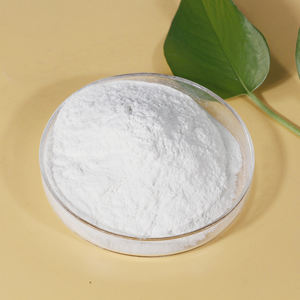
From speeding up curing times to making your driveway look like Italian marble, admixtures do it all. But with so many options—from superplasticizer to coconut fiber reinforcement—it’s easy to feel overwhelmed. So grab your hard hat and a sense of humor; we’re breaking down the 7 most essential admixture types you need to know.
2. Superplasticizers: The Liquid Magic Behind Flowing Concrete
Superplasticizers (also called high-range water reducers) are the rockstars of the concrete chemicals world. They let you slash water content by up to 40% while keeping your mix pourable—hello, stronger, denser concrete!
2.1 Naphthalene vs. Polycarboxylate: The Great Plasticizer Showdown
Not all superplasticizers are created equal. The old-school favorite? Naphthalene-based superplasticizer. It’s cheap and effective but can lose potency over time and isn’t eco-friendly.
Enter polycarboxylate ether (PCE)—the sleek, modern upgrade. PCE superplasticizers offer superior slump retention, lower dosage requirements, and better compatibility with cement. Plus, they’re the go-to for self-consolidating concrete and ultra-high-performance mixes.
- Naphthalene sulfonate: budget-friendly but fading fast
- Polycarboxylate superplasticizer: premium performance, future-proof
2.2 Why Superplasticizer in Concrete Matters
Using a superplasticizer admixture means higher strength, less permeability, and fewer cracks. It’s basically giving your concrete a gym membership—and a PhD.
3. Accelerators & Retarders: Time Travelers for Concrete Curing
Need concrete that sets before your coffee gets cold? Use a concrete accelerator. Pouring in summer heat and need extra working time? Reach for a concrete retarder admixture.
3.1 Fast Curing vs. Controlled Delay
Accelerating admixtures for concrete (like calcium chloride or non-chloride alternatives) cut curing time dramatically—perfect for emergency repairs or cold-weather pours. Just don’t overdo it; too much can cause flash setting or corrosion in rebar.
On the flip side, admixture retarders (like sugar-based or lignosulfonate formulas) slow hydration. Surface retarder concrete techniques even let you expose aggregate for decorative finishes.
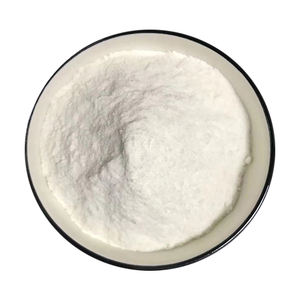
4. Air Entraining Admixtures: Tiny Bubbles, Big Protection
Air entraining concrete might sound like a yoga class, but it’s actually about trapping microscopic air bubbles in your mix. These bubbles act as pressure relief valves during freeze-thaw cycles.
4.1 How Air Entraining Works
An air entraining agent creates stable, evenly spaced voids—typically 4–7% air by volume. This prevents spalling and scaling in cold climates. Think of it as built-in winter tires for your driveway.
Just remember: too much air = weaker concrete. Balance is key.
5. Waterproofing Admixtures: Keep the H2O Out
Waterproof admix? Yes, please. Whether you’re building a basement or a water tank, waterproofing admixture for concrete is non-negotiable.
5.1 Crystalline vs. Integral Options
Crystalline waterproofing admixture reacts with moisture and unhydrated cement to grow crystals that block pores permanently. It’s self-healing and lasts the life of the structure.
Integral waterproofers (like hydrophobic polymers) repel water from within. Both beat surface sealers that wear off faster than last year’s smartphone.
- Best for wet environments: crystalline waterproofing admixture
- Good for general use: cement waterproofing additive or concrete waterproof admix
6. Fiber Reinforcement: From Polypropylene to Carbon Fiber
Forget steel rebar for a sec—fibers are having a moment. Fiber reinforced concrete uses everything from polypropylene fibres for concrete to carbon fiber reinforcement in concrete.
6.1 Micro vs. Macro Fibers
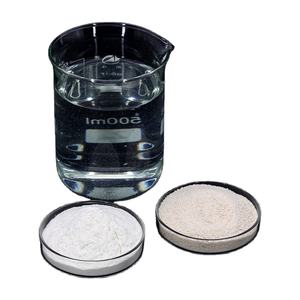
Polypropylene microfibers control plastic shrinkage cracks (great for slabs). Macro fibers—like steel fibers for concrete or synthetic macrofibers—add post-crack toughness and flexural strength.
And yes, coconut fiber reinforced concrete is a real (though niche) thing—sustainable, but not quite ready for skyscrapers.
Bonus: fiberfor concrete mixes improve impact resistance and reduce spalling in fires. Hardie concrete siding? CertainTeed? They all rely on fiber cement technology.
7. Foaming Agents: Lightweight Concrete Without the Weight
Need insulation, buoyancy, or just want to impress your neighbors with ‘aircrete’? Enter concrete foaming agents.
7.1 Protein vs. Synthetic Foaming Agents
Protein-based foaming agents create stable, fine-cell foam for CLC (cellular lightweight concrete) blocks. Synthetic foaming agents are cheaper but less stable.
Whether you’re using a CLC foaming agent or a homemade foaming agent for concrete, the goal is consistent, durable foam that won’t collapse mid-pour.
8. Conclusion
Choosing the best admixture for concrete isn’t one-size-fits-all. It depends on climate, application, budget, and whether you’re trying to build a nuclear bunker or a backyard patio that looks like wood (yes, concrete siding that looks like wood exists!).
By understanding these seven core admixture types—from superplasticizer admixture to air entraining cement—you’re not just mixing concrete. You’re engineering resilience, beauty, and longevity, one clever chemical at a time.
Our Website founded on October 17, 2012, is a high-tech enterprise committed to the research and development, production, processing, sales and technical services of ceramic relative materials such as 7. Our products includes but not limited to Boron Carbide Ceramic Products, Boron Nitride Ceramic Products, Silicon Carbide Ceramic Products, Silicon Nitride Ceramic Products, Zirconium Dioxide Ceramic Products, etc. If you are interested, please feel free to contact us.